
Five Ways to Keep Your Hair Transplant Plan on Track with Kibo
Published on Sun Mar 22 2026
Blog Summary
Great outcomes do not happen by accident. They come from calm planning, clear communication, and simple routines that are easy to stick with. This guide shares five practical ways to keep your hair transplant plan on track with Kibo. You will learn how to set a simple one year roadmap, how to use photo check ins to stay motivated, how to make aftercare effortless, how to manage time and travel in Mumbai, and how to set a budget that covers real life. Each section is written in friendly language with checklists and tools you can use right now. The aim is confidence, not complexity, so you can move from first conversation to final result feeling supported at every step.
Why a Plan Matters More Than Perfection
A hair transplant is a journey with many small moments. Booking the consultation is the first step. The next steps include design, procedure day, gentle routines in the first weeks, and milestone visits over the year as growth appears. When you write down a simple plan, you remove guesswork and reduce stress. You know what happens when, what to bring, and what to expect.
Mumbai is a beautifully active city. Commutes, humidity, and busy schedules add small complications to any plan. A clear schedule and easy routines keep everything steady. Kibo makes that easier with tidy checklists, reminder calls, and short visits that fit real calendars. Your focus can stay on life while your plan moves forward.
A helpful plan is not rigid. It adapts to your hair type, your work routine, and your travel needs. The five methods below keep the plan firm where it matters and flexible where it should be.
The Five Methods at a Glance
Method one, Map a one year timeline on a single page • Create a simple calendar from consult to the twelve month photo • Add realistic windows for travel and holidays • Mark three photo check in months to track progress
Method two, Use honest photography to build trust in the process • Take photos in the same room with the same light and distance • Save front, side, crown, and donor views in one album • Add notes on products or styling so comparisons stay fair
Method three, Make aftercare easy by preparing your space • Keep the first week kit ready before procedure day • Place a clean pillow cover and arrange a calm sleep setup • Save your aftercare steps as a morning and evening routine
Method four, Plan for Mumbai time and transport • Book comfortable arrival slots that match traffic patterns • Choose breathable clothing for the climate • Keep a light cap or scarf ready for outdoor privacy when approved
Method five, Budget for the full year, not just the procedure • Include consults, follow ups, travel, and small care items • Understand your quote structure and payment plan • Keep a small buffer for unexpected needs
The Five Methods in Detail
Method one, Map a one year timeline on a single page
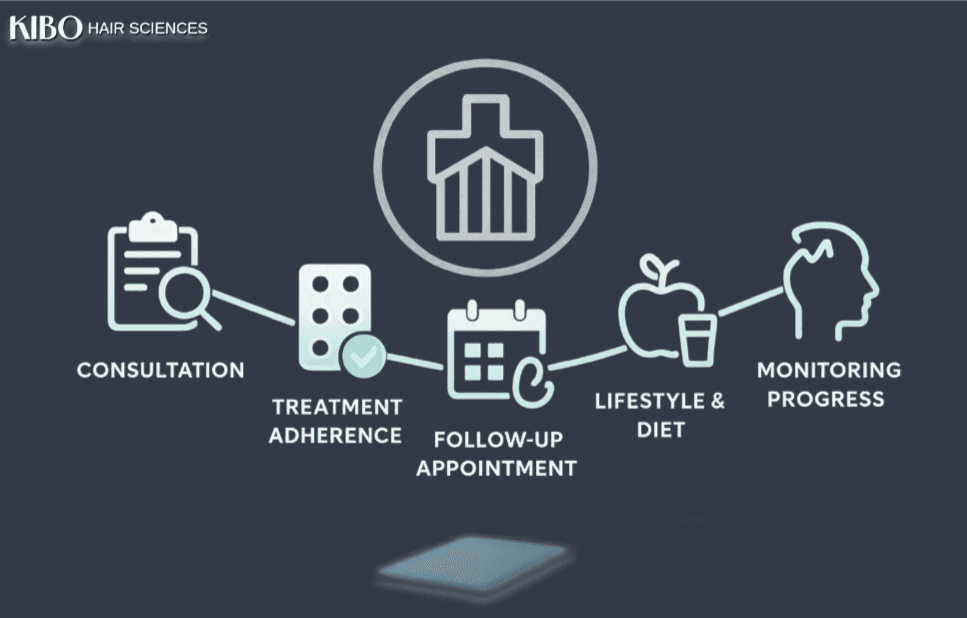
A plan feels doable when the steps are clear. Start by placing eight to ten key points on a single page. Include your consultation, design confirmation, procedure day, first week check, one month touchpoint, three and six month photo check ins, and the final twelve month review. This is not a strict calendar. It is a gentle path that you and the team can adjust if life events come up. Keep the timeline where you can see it, such as in your notes app or printed in your work bag.
Pair the timeline with two dates that matter to you. One can be a personal event such as a family wedding. The other can be a professional event such as a conference. Ask your Kibo advisor how to place the procedure so you feel ready and relaxed for those moments. Good timing is a quiet advantage.
Method two, Use honest photography to build trust in the process
Growth is gradual. Honest photography lets you see that progress even when daily changes are subtle. Choose the same location, the same distance from the camera, and a neutral expression. Use natural light near a window or gentle room light without harsh shadows. Take the same five views each time, front, left, right, crown, and donor area. Save them in a single album with the date in the file name.
If you style your hair, take one set styled and one set combed off the face for the front and sides. Consistent images remove uncertainty. They also help your Kibo team give specific feedback. During visits in Mumbai you can compare your album with clinic images taken under consistent light to see your journey clearly.
Method three, Make aftercare easy by preparing your space
Comfort in the first week comes from small preparations. Place a clean pillow cover and keep a spare nearby. Create a calm corner with tissues, a bottle of water, and your aftercare notes. Put your approved products on a small tray so you can follow the same order each time. Save your routine as morning and evening steps that take only a few minutes. This structure is easier to follow than a long list of scattered instructions.
Clothing also helps. A front opening shirt avoids lifting fabric over your scalp when you leave the clinic and during the first days at home. Keep a soft towel ready. Store all products and notes in one visible place near your sink so they are always within reach. Simple organization builds confidence.
Method four, Plan for Mumbai time and transport
Travel time can add stress if left to chance. Look up your route and add a cushion for traffic and weather. Choose arrival slots that match your rhythm, morning for early starters or mid day for those who feel better after a relaxed start. If you are flying into Mumbai, share your flight plan at the time of booking so the team can suggest suitable dates. Carry breathable clothing that suits warm weather, and keep hydration in mind during travel days.
For privacy outdoors after your visit, ask when a cap or scarf is appropriate. When approved, choose a breathable fabric that does not rub. Your Kibo advisor will also share tips on how to move through the city comfortably in the first days, including short taxi rides, shaded walkways, and calm waiting areas at the clinic for quick check ins.
Method five, Budget for the full year, not just the procedure
A smart budget looks beyond the procedure charge. Write a simple list that covers consultation, design session, procedure, follow up visits, approved products, travel within Mumbai or from another city, and a small buffer. This removes money stress during the journey and keeps your focus on recovery and routine. Kibo provides transparent quotes and clear payment options so you can plan with ease.
Ask your advisor to explain the quote structure in plain language. Learn what is included and what is optional. Clarify how follow up photography and reviews are scheduled. A clear financial picture is a calm foundation for the year.
The One Page Roadmap You Can Use Today
One year hair transplant roadmap with Kibo
| Month marker | Focus at this time | Simple actions that help | Where Kibo supports you |
| Consult week | Design goals and donor overview | Bring style photos, discuss height and shape, confirm next steps | Design discussion, donor planning, tour of albums |
| Procedure week | Comfortable visit and clear aftercare | Wear front opening clothing, keep your first week kit ready | Arrival guide, calm procedure flow, printed aftercare |
| Week one | Gentle routines and rest | Follow simple morning and evening steps, organize your space | Aftercare helpline, quick check in if needed |
| One month | Settling into routine | Take a dated photo set, continue simple care | Short review call or visit on request |
| Three months | Early visible changes | Repeat photo set, keep routines steady | Photo review and encouragement |
| Six months | Noticeable improvement | Photo set in identical light, discuss styling tips | Midpoint consult, plan for the next six months |
| Nine months | Maturing growth | Maintain routine, track comfort and styling | Progress check and tips for real life settings |
| Twelve months | Final photography and review | Full photo set, discuss future goals and maintenance | Final review, next steps if desired |
The Simple Planner for Appointments and Home Routines
Planner for visits, travel, and daily steps
| Category | What to schedule or prepare | Notes to keep it easy |
| Appointments | Consultation, design session, procedure day, follow ups at one, three, six, and twelve months | Book with buffers around busy weeks and travel |
| Travel and time | Route planning for Mumbai traffic, parking or ride share, arrival cushion | Choose breathable clothing and carry a light scarf when approved |
| Home setup | First week kit, pillow covers, product tray, printed aftercare | Save a morning and evening routine card by the sink |
| Photography | Identical light and distance, five standard views, dated file names | Create a single album in your gallery for all images |
| Budget | Quote, visits, travel, approved products, small buffer | Confirm payment plan details with your advisor |
| Support | Contact numbers for your clinic team, companion for procedure day | Keep numbers on your phone and on a small card in your bag |
Frequently Asked Questions
How do I stay motivated during the first months Use monthly photo sets in the same light and distance. Small changes are easier to see across identical images. Keep your one page roadmap visible on your desk or in your notes app.
What if life events disrupt my schedule Plans can flex. Share your calendar early so the team can help place visits around travel or festivals. Good planning is steady rather than rigid.
Do I need complex products for aftercare Your advisor will outline simple approved items and a short routine. Place them on a small tray and follow the same steps each morning and evening.
When should I expect visible change Everyone progresses at a personal pace. Many people notice early changes by a few months and fuller results by one year. Honest photography keeps expectations grounded.
How should I plan transport in Mumbai Allow extra time for traffic and weather, especially during monsoon months. Book arrival windows that match your routine and keep a light scarf ready for privacy outdoors when approved.
What belongs in the budget besides the procedure Include consults, follow ups, local travel, simple aftercare items, and a small buffer. Clear numbers remove worry and keep your attention on recovery.
Can I combine my visit with other commitments Yes with planning. Place the procedure so you have time for rest in the first week. Your advisor will help you choose dates that fit work and family events.
How does Kibo help me stay on track Kibo provides a one page roadmap, friendly reminders, tidy photo reviews, and transparent payment options. The process is designed to feel calm and supportive.
Why Kibo Hair Sciences
Kibo Hair Sciences is built around clarity and care. You get a design conversation that respects your face and your future, a calm procedure day with organized steps, and aftercare that fits real life. The Mumbai team understands local travel times and climate, and helps you plan visits that feel easy. Photography is standardized so your progress is always visible. Pricing is transparent so your budget stays predictable. The goal is simple, a plan you can trust from day one to month twelve.
Gentle Call to Action
If you want a simple plan that fits your calendar and your goals, book a friendly consultation with Kibo Hair Sciences in Mumbai. We will share the one page roadmap, set up your photo routine, and map the year in a way that keeps you relaxed and confident.