
The Impact of Sleep Deprivation on Hair Follicle Regeneration
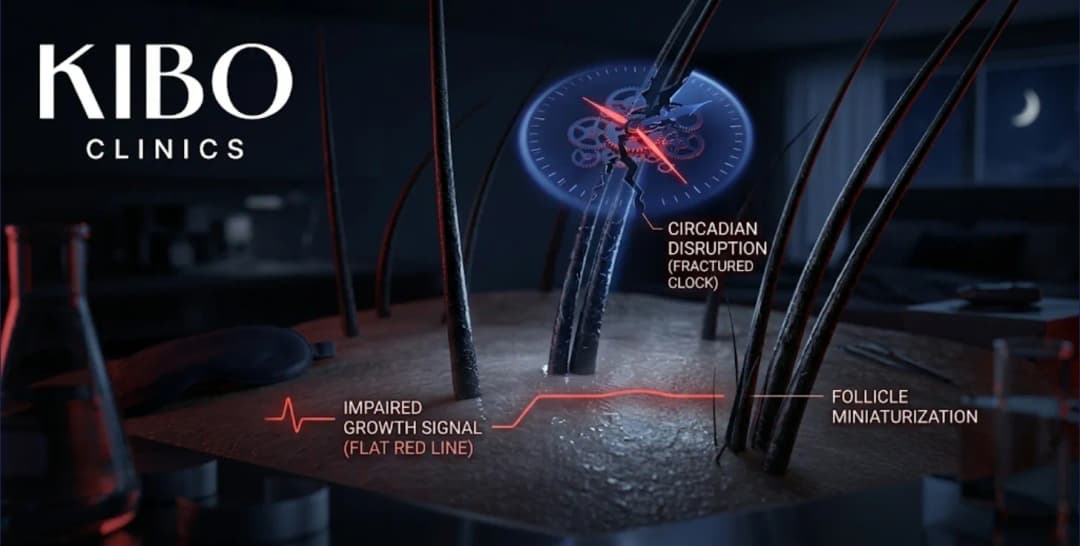
Published on Sat Apr 11 2026
Sleep plays a vital role in maintaining overall health. While most people associate sleep with brain function, energy levels, and immunity, it also plays an important role in maintaining healthy hair.
Hair follicles are among the most active cells in the body. They constantly go through cycles of growth, rest, and shedding. Proper rest allows the body to repair tissues, regulate hormones, and maintain the cellular activity required for healthy hair growth.
When sleep becomes irregular or insufficient, the body’s natural repair systems may slow down. Over time, this can affect several biological processes, including those responsible for hair follicle regeneration.
This article explores how sleep deprivation influences hair health, the biological connection between sleep and hair growth, and what individuals can do to support healthier hair cycles.
Understanding the Hair Growth Cycle
Hair growth occurs in a repeating cycle involving three main phases. Each hair follicle independently goes through these stages throughout a person’s life.
| Hair Growth Phase | Description | Typical Duration |
|---|---|---|
| Anagen Phase | The active growth stage where hair follicles produce new hair fibers. | 2 to 7 years |
| Catagen Phase | A short transitional phase when hair growth slows and the follicle begins shrinking. | 2 to 3 weeks |
| Telogen Phase | The resting phase when hair eventually sheds and the follicle prepares for new growth. | 2 to 4 months |
Healthy hair growth depends on follicles remaining in the anagen phase for a sufficient period. Disruptions in the body’s biological systems can shorten this phase and trigger premature shedding.
What Happens During Sleep?
Sleep is not simply a period of rest. During sleep, the body performs critical repair and regeneration functions.
Some important processes that occur during sleep include:
- Cellular repair and tissue regeneration
- Hormonal balance and regulation
- Immune system strengthening
- Protein synthesis and metabolic regulation
- Reduction of inflammation and oxidative stress
Because hair follicles rely on constant cellular activity, these overnight processes indirectly influence hair health.
How Sleep Deprivation Affects Hair Follicles
Chronic sleep deprivation can disrupt several biological systems that support hair follicle regeneration. When sleep quality declines, the body may experience hormonal changes, increased stress levels, and reduced cellular repair.
Over time, these changes may influence the hair growth cycle.
Hormonal Imbalance
Sleep helps regulate hormones such as cortisol, melatonin, and growth hormone. When sleep is insufficient, cortisol levels may rise.
Elevated cortisol is associated with stress-related hair loss conditions such as telogen effluvium.
Reduced Cell Regeneration
Hair follicles contain rapidly dividing cells that require regular repair and renewal. Poor sleep can reduce the body’s ability to regenerate these cells effectively.
Inflammation and Oxidative Stress
Sleep deprivation may increase inflammatory markers in the body. Chronic inflammation can weaken the environment surrounding hair follicles and disrupt normal hair growth.
Reduced Blood Circulation
Healthy blood flow is essential for delivering oxygen and nutrients to hair follicles. Poor sleep patterns may influence circulation and metabolic activity.
The Role of Melatonin in Hair Growth
Melatonin is a hormone that regulates the sleep-wake cycle. Interestingly, research suggests that melatonin may also influence hair follicle activity.
Hair follicles contain melatonin receptors, which means the hormone may play a role in maintaining the hair growth cycle.
Healthy melatonin levels may support:
- Hair follicle growth activity
- Protection against oxidative stress
- Regulation of hair cycle timing
When sleep deprivation disrupts melatonin production, these supportive effects may weaken.
Sleep Deprivation and Stress-Related Hair Loss
Lack of sleep often increases physical and psychological stress. Stress triggers hormonal responses that can influence the hair cycle.
One common condition linked to stress is telogen effluvium, where a large number of hair follicles enter the resting phase prematurely.
| Factor | Impact on Hair Health |
|---|---|
| Sleep deprivation | Disrupts hormonal balance and cellular repair |
| High stress levels | Raises cortisol, which can affect hair growth cycles |
| Poor recovery | Slows follicle regeneration |
| Inflammation | Weakens the scalp environment |
When multiple factors combine, hair follicles may struggle to maintain consistent growth cycles.
Signs Sleep Deprivation May Be Affecting Your Hair
Hair loss has many causes, but persistent sleep problems may contribute to noticeable hair changes.
Some possible signs include:
- Increased daily hair shedding
- Slower hair growth
- Thinning hair density
- Dull or weak hair strands
- Hair becoming more prone to breakage
These symptoms may become more noticeable when poor sleep continues for extended periods.
How Much Sleep Is Ideal for Healthy Hair?
Sleep requirements vary slightly by age and lifestyle, but most health experts recommend adequate nightly rest to support physical recovery.
| Age Group | Recommended Sleep Duration |
|---|---|
| Adults | 7 to 9 hours per night |
| Young adults | 7 to 9 hours per night |
| Teenagers | 8 to 10 hours per night |
Consistent sleep patterns are equally important. Going to bed and waking up at regular times helps regulate the body’s internal clock.
Ways to Improve Sleep for Better Hair Health
Improving sleep quality may indirectly support healthier hair growth cycles.
Some helpful strategies include:
- Maintaining a consistent sleep schedule
- Reducing screen time before bedtime
- Creating a comfortable sleep environment
- Managing stress through relaxation techniques
- Following a balanced diet that supports hair health
These habits promote overall physical recovery and help the body maintain its natural regenerative processes.
When to Seek Professional Advice
If hair thinning continues despite healthy sleep habits, it may be helpful to consult a healthcare professional or hair specialist.
Hair loss can occur due to multiple factors including genetics, nutritional deficiencies, hormonal imbalance, or scalp conditions.
A proper evaluation can identify the underlying cause and guide appropriate treatment options.
Conclusion
Sleep plays a crucial role in maintaining the body’s natural repair and regeneration systems. Because hair follicles depend on continuous cellular activity, poor sleep may indirectly influence hair growth and follicle health.
Sleep deprivation can disrupt hormonal balance, increase stress levels, and reduce the body’s ability to regenerate cells efficiently. Over time, these changes may contribute to hair thinning or increased shedding.
Maintaining consistent and restorative sleep is an important lifestyle factor that supports not only overall well-being but also healthy hair growth.
By prioritizing good sleep habits along with proper nutrition and scalp care, individuals can create a healthier environment for long-term hair follicle regeneration.