
The Role of Zinc in Preventing Premature Graying
Published on Sat Apr 11 2026
Premature graying of hair is a concern for many people, especially when it begins in the early twenties or thirties. While graying is a natural part of aging, early hair graying can sometimes be influenced by lifestyle, genetics, stress, and nutritional deficiencies.
One nutrient that has gained attention in recent years is zinc. Zinc is an essential mineral that supports many biological functions in the body, including immune health, cell growth, and tissue repair. Researchers have also explored its potential role in maintaining healthy hair pigmentation.
This article explains how zinc supports hair health, whether zinc deficiency can contribute to premature graying, and how individuals can maintain healthy zinc levels.
Understanding Why Hair Turns Gray
Hair color is determined by a pigment called melanin, which is produced by specialized cells known as melanocytes. These cells are located in hair follicles and supply pigment to growing hair strands.
As people age, melanocyte activity gradually declines. When pigment production decreases significantly, hair begins to appear gray, silver, or white.
However, premature graying may occur when melanocyte function is disrupted earlier than expected.
Several factors may influence this process, including:
- Genetic predisposition
- Oxidative stress
- Nutritional deficiencies
- Hormonal imbalance
- Environmental factors
Nutrients such as zinc play a role in protecting cells from damage and supporting the biological processes required for healthy hair pigmentation.
What Is Zinc?
Zinc is an essential trace mineral required for hundreds of enzymatic reactions in the body. Because the body does not store large amounts of zinc, it must be regularly obtained through diet.
Zinc contributes to several important biological processes.
| Function of Zinc | Role in the Body |
|---|---|
| Cell Growth | Supports cell division and regeneration |
| Immune System | Helps maintain immune response |
| Protein Synthesis | Supports the production of proteins required for tissue repair |
| Antioxidant Activity | Helps protect cells from oxidative damage |
| Hormonal Regulation | Supports balanced hormone activity |
Because hair follicles are highly active structures that rely on rapid cell division, adequate zinc levels are important for maintaining hair health.
How Zinc Supports Hair Health
Zinc contributes to multiple biological processes that affect hair growth and scalp health.
Supports Hair Follicle Function
Hair follicles require continuous cell division to produce new hair fibers. Zinc plays a role in DNA synthesis and cell regeneration, which helps maintain active hair follicles.
Helps Maintain Melanin Production
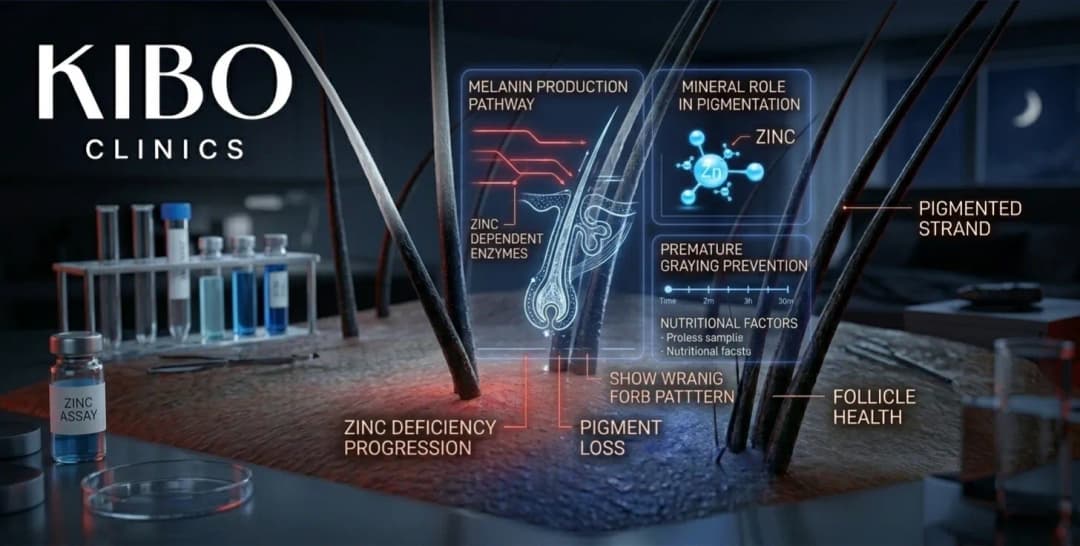
Melanin production relies on enzyme activity within melanocyte cells. Zinc supports the function of these enzymes and may help protect pigment-producing cells from oxidative damage.
Reduces Oxidative Stress
Oxidative stress occurs when harmful molecules known as free radicals damage cells. This damage can affect melanocytes and reduce melanin production.
Zinc contributes to antioxidant defense systems that help neutralize these harmful molecules.
Supports Scalp Health
Zinc also helps regulate oil glands around hair follicles and may contribute to a healthier scalp environment.
Can Zinc Deficiency Cause Premature Graying?
Some research suggests that deficiencies in certain minerals, including zinc, may be associated with premature graying. Low zinc levels may increase oxidative stress and reduce the ability of melanocytes to maintain pigment production.
Although zinc deficiency alone may not be the sole cause of gray hair, it may contribute when combined with other risk factors.
| Possible Impact of Zinc Deficiency | Effect on Hair |
|---|---|
| Reduced antioxidant protection | Higher oxidative stress affecting melanocytes |
| Impaired enzyme activity | Reduced melanin production |
| Weakened hair follicles | Slower hair growth and potential hair thinning |
| Imbalanced scalp environment | Potential scalp issues affecting hair health |
Maintaining adequate zinc levels may help support normal hair pigmentation and follicle function.
Foods Rich in Zinc
The best way to maintain healthy zinc levels is through a balanced diet. Many common foods contain significant amounts of this essential mineral.
| Food Source | Approximate Zinc Content |
|---|---|
| Pumpkin seeds | High source of zinc |
| Cashews | Moderate zinc content |
| Chickpeas | Plant-based zinc source |
| Whole grains | Contains moderate levels |
| Dairy products | Provides dietary zinc |
| Eggs | Moderate zinc content |
Eating a diverse and balanced diet helps ensure adequate intake of zinc along with other nutrients essential for hair health.
Other Nutrients That Support Hair Pigmentation
Zinc is not the only nutrient involved in maintaining healthy hair color. Several other vitamins and minerals support melanocyte function.
- Vitamin B12: Important for red blood cell formation and cellular metabolism.
- Copper: Required for enzymes involved in melanin production.
- Iron: Supports oxygen delivery to hair follicles.
- Vitamin D: Helps regulate hair follicle cycles.
Deficiencies in these nutrients may also contribute to premature graying or hair thinning.
When to Consider Professional Advice
If premature graying occurs suddenly or is accompanied by hair thinning or excessive shedding, it may be helpful to consult a healthcare professional.
A medical evaluation can help identify possible underlying causes such as:
- Nutritional deficiencies
- Hormonal imbalances
- Autoimmune conditions
- Genetic factors
Addressing the root cause may help support healthier hair growth and pigmentation.
Conclusion
Zinc is an essential mineral that supports many biological functions, including hair follicle health and cellular regeneration. By contributing to antioxidant protection and enzyme activity, zinc may help support the processes involved in maintaining natural hair pigmentation.
Although premature graying can be influenced by genetics and aging, maintaining adequate zinc levels through a balanced diet may help protect hair follicles and support overall hair health.
Ensuring proper nutrition, managing stress, and maintaining healthy lifestyle habits can collectively contribute to stronger hair and a healthier scalp environment over time.