
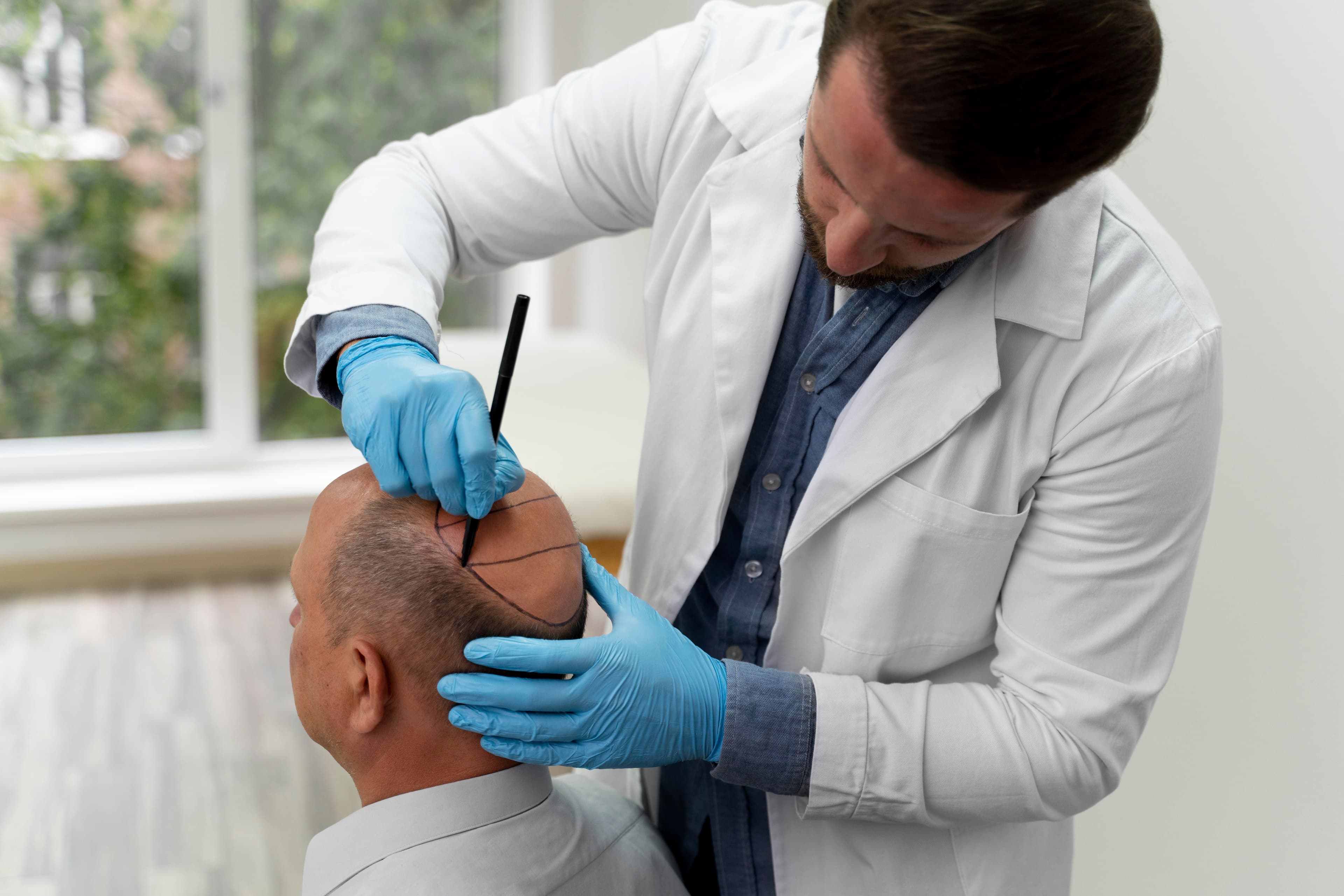
Hair loss, especially when it becomes visible, can affect more than just appearance. For many, it gradually impacts confidence, daily choices, and even the way they interact with the world. When topical solutions or medications stop making a difference, one question becomes more relevant than ever: what’s the next step?
A hair transplant is a doctor-supervised medical procedure that involves relocating healthy follicles from DHT-resistant donor areas, typically at the back and sides of the scalp, to areas experiencing visible thinning or baldness. The goal isn’t to create new hair, but to move intact, functioning follicular units. This approach is clinically proven for treating androgenetic alopecia (male or female pattern baldness), which affects roughly 40% of women by the age of 40 and 50% of men over 50.
The success of this method relies on the principle of donor dominance. Hair taken from regions like the occipital ridge is genetically resistant to DHT-induced miniaturization. When transplanted, these follicles retain their original growth behavior, continuing to grow normally in their new location, regardless of the surrounding scalp environment.
At Kibo Clinics, this science-driven approach is supported by globally trained surgeons, advanced diagnostic tools, and evidence-based protocols. For anyone seeking a hair transplant in Mumbai, Kibo offers medical clarity, personalized planning, and long-term outcomes, not just procedural execution.
This article will take you through the key elements: types of transplants, how they work, recovery timelines, and what kind of results are realistic. Whether you're exploring options or ready to move forward, this overview is designed to give you medically accurate answers you can rely on.
Why You're Losing Hair: Understanding the Root Cause
Hair loss almost always has a reason behind it; sometimes it’s hormonal, sometimes it’s lifestyle-related, and often, it’s a bit of both. Getting to the root of the problem is the first step in figuring out what kind of treatment actually makes sense for you. During a consultation, your doctor will look at a range of internal and external factors before building a plan that fits your needs.
- Hormonal Factors: Hormones, particularly DHT (dihydrotestosterone), play a major role in both female and male pattern hair loss. DHT binds to receptors in susceptible follicles and gradually shortens the anagen phase (the active growth phase of the hair cycle). Over time, the hair becomes finer and weaker, a process known as miniaturization (when follicles shrink and produce thinner strands). In women, hormonal conditions like PCOS can also disrupt normal hair growth, causing widespread thinning.
- Nutritional Deficiencies: Hair follicles are highly sensitive to nutritional imbalances. Low levels of iron, B12, or protein can interrupt the hair cycle. Iron supports oxygen delivery to the roots, while protein and B12 are needed for cell repair and keratin production. Deficiencies slow down growth and may trigger shedding.
- Lifestyle Triggers: Daily habits can quietly impact scalp health. Chronic stress raises cortisol, which can shift hair into the telogen phase (the resting phase when hair is more likely to fall out). Poor sleep affects hormone regulation, while scalp inflammation from harsh products or poor hygiene can make follicles more vulnerable to damage.
- Genetic Predisposition: If hair loss/hairfall runs in your family, it likely influences your own pattern and timing. Some people inherit follicles that are more sensitive to DHT, causing earlier onset and more rapid thinning. Genetics helps predict how your hair loss might progress and which areas may be most affected.
Different stages of hair loss require different approaches. Early thinning may respond to topical or oral medications. But when follicles are significantly miniaturized, medication alone can’t reverse the loss. At that point, surgical restoration becomes the only way to regain visible density.
That’s why diagnosis is essential. At Kibo, we use medical imaging, full bloodwork, and scalp mapping to understand the root cause before starting any hair transplant treatment in Mumbai. This ensures that each plan is medically sound and tailored to the patient’s condition.
If you’re exploring the best hair transplant in Mumbai, remember, lasting results don’t come from just choosing a technique. They come from accurate diagnosis, individualised planning, and doctor-guided care from the start.
Why Topical Treatments Can't Reverse Baldness
Topical solutions like shampoos, serums, and oils are often the first step people take when addressing hair loss. These products can offer value in early-stage thinning by nourishing the scalp and supporting partially active follicles. In some cases, they may help delay progression. However, their effectiveness is limited to follicles that are still biologically active.
Topical treatments do not seep deep enough to reactivate follicles that are no longer functional. Once a follicle has become inactive beyond repair, no serum or scalp oil can bring it back. These products cannot regenerate what has already been lost.
Platelet-rich plasma (PRP) therapy goes a step further than topical treatments. PRP involves injecting concentrated growth factors directly into the scalp. Clinical studies show that PRP may increase hair density by approximately 15 to 45 hairs per cm², with many cases averaging around 30 hairs per cm². Results generally peak around three months after treatment but gradually decline over time without ongoing sessions.
Even with its benefits, PRP remains a supportive therapy. It helps improve the condition of existing, weakened follicles and may slow the rate of further loss. However, it does not restore hair in areas where follicles have completely disappeared, and it does not replace lost density in bald zones.
The reality is that once a follicle has permanently stopped functioning, neither topical products nor injection-based treatments can reactivate it. At that point, surgical restoration becomes the only viable option. A hair transplant is the only approach that physically moves healthy, functioning follicles into bald areas, delivering coverage and density that non-surgical treatments cannot match.
Best Types of Hair Transplant Techniques
Hair transplant techniques have evolved significantly in recent years, offering multiple options based on the stage of hair loss, scalp condition, and personal goals. Each method has its own advantages, and the right one is selected during consultation based on clinical findings and lifestyle needs. Here’s a breakdown of the most widely practiced techniques in modern clinics.
FUE (Follicular Unit Extraction)
It is one of the most widely used techniques today due to its natural-looking results and minimally invasive nature. It offers flexibility for patients concerned with downtime, scarring, or visible recovery signs.
- What it is: A technique where individual follicular units are extracted using a fine punch tool, typically under local anesthesia
- How it works: Each follicle is carefully removed and implanted into small recipient sites on the scalp. The graft-by-graft method preserves donor area density and supports precise placement
- Who it’s for: Best suited for early to moderate hair loss, and for patients who prefer short hairstyles with minimal visible scarring
- Recovery: Most patients can start normal activities within 5–7 days. Mild swelling and scabbing are common. Sun exposure and physical exertion should be avoided for 2–3 weeks
FUT (Follicular Unit Transplantation)
FUT is a high-yield technique that allows a large number of grafts to be transplanted in a single session, making it a practical option for advanced hair loss cases.
- What it is: A strip-based method that involves taking out a thin strip of scalp from the donor area, usually the back of the head
- How it works: The strip is dissected into individual follicular units under magnification and implanted into thinning or bald zones
- Who it’s for: Typically recommended for extreme hair loss (Norwood 5 scale and above), where maximum coverage is the goal
- Recovery: Leaves a linear scar at the donor site, which is easily concealed with longer hair. Healing may take slightly longer compared to FUE, but post-op discomfort is minimal with proper care
DHT (Direct Hair Transplantation)
DHT, also referred to as DHI (Direct Hair Implantation), offers the benefit of reduced graft handling by combining extraction and implantation into a single step.
- What it is: An advanced technique using implanter pens to directly place follicles as they are extracted
- How it works: Follicles are implanted without the need to create pre-made incisions. This allows more control over angle, depth, and direction
- Who it’s for: Ideal for patients looking for a refined hairline design or work in smaller, high-visibility areas
- Recovery: Faster healing and higher graft survival due to less time outside the body.
PRP (Platelet-Rich Plasma Therapy)
PRP is not a transplant method on its own but is often used in combination with surgical techniques to strengthen outcomes and improve healing.
- What it is: A supportive therapy involving injections of concentrated platelets from the patient’s own blood into the scalp
- How it works: The growth factors in PRP improve blood supply to the follicles, reduce inflammation, and enhance the healing response
- Who it’s for: Suitable for any patient undergoing FUE or FUT, especially those with weaker follicles or a history of slow healing
- Recovery: A short, outpatient procedure with no downtime. Often repeated in cycles around the time of surgery to maximize benefit
Synthetic or Body Hair Transplant
This technique is reserved for highly specific cases where traditional scalp donor hair is insufficient. It carries additional risks and should be approached carefully.
- What it is: A secondary method using either body hair (from beard or chest) or synthetic hair fibers, in rare cases
- How it works: Follicles from body areas are harvested and implanted into the scalp, or synthetic fibers are used when biologic sources are inadequate (where regulations allow)
- Who it’s for: Patients with poor donor density or previous failed surgeries
- Recovery: Varies by method. Body hair may have inconsistent growth. Synthetic fibers require patch testing and carry a higher chance of rejection or sensitivity
Patients often want to know the** cost of a hair transplant**, but pricing depends on several factors, such as the number of grafts required, the technique used, and how many sessions are needed. During consultation, your doctor will evaluate these details and provide a personalized estimate.
Equally important is understanding how long a hair transplant lasts. In most cases, transplanted follicles are permanent. However, results depend on surgical quality, aftercare, and individual scalp health. A well-planned procedure, supported by medical follow-up, gives the best chance of long-term success.
Types of Hair Transplants: A Medical Comparison Table
| Technique | Extraction Type | Recovery | Scarring | Ideal For |
| FUE | Individual follicle removal | 5–7 days | No linear scar | Early to moderate hair loss |
| FUT | Strip of scalp tissue | 10–14 days | Linear scar on the donor area | Extensive baldness |
| DHT | Direct implant (no storage) | 3–5 days | Minimal dots | High-precision hairlines or beard zones |
Hair transplant procedures are not one-size-fits-all. Each technique is suited to specific hair loss patterns and stages, with variations in approach, recovery, and outcome. The end goal, restoring natural-looking density, remains the same, but how that result is achieved depends on the method used.
For those exploring Mumbai hair transplant options, understanding these differences is essential for making the right clinical decision. At present, Kibo is the only clinic offering a combined DHT and FUE protocol, allowing for greater precision and flexibility in treatment planning.
What makes Kibo’s Hair Transplants Unique?
Kibo’s approach combines medical precision with personalized care. From consultation to recovery, each step is handled with techniques that prioritize safety, long-term outcomes, and aesthetic results. Here’s what sets Kibo apart from other hair transplant providers:
-
Internationally Trained Surgeons: Kibo’s surgical team brings global experience to every procedure. Each doctor has trained at leading hair restoration centers in Europe or North America, ensuring that every transplant is performed with the latest techniques and strict adherence to international standards.
-
DHI-Certified Protocols: Kibo is among a limited group of clinics certified in Direct Hair Implantation (DHI). This method allows for graft extraction and implantation in a single, continuous session, which reduces graft handling time and improves survival rates.
-
Precision with Implanter Pens: The use of Choi implanter pens gives surgeons full control over the angle, depth, and direction of each graft. This allows for more natural-looking results, particularly along the hairline and crown, where growth patterns are most visible.
-
Advanced Anesthesia Techniques: Local anesthesia is delivered using buffered solutions and precision tools to keep the procedure virtually pain-free. Most patients report minimal to no discomfort, even during the surgery itself.
-
Consistently High Graft Survival: Through careful technique and real-time implantation, Kibo maintains graft survival rates between 90 and 95 percent. These outcomes reflect the clinic’s sterile operating environment and careful post-op support.
-
Truly Personalized Treatment Plans: Each patient receives a custom surgical strategy that reflects their hair loss stage, donor capacity, and desired aesthetic. This ensures the approach is both medically sound and visually balanced.
-
Ethical Graft Management: To preserve the long-term health of the donor area, Kibo avoids overharvesting. This allows for future procedures if needed and ensures natural density across the scalp.
Choosing the Best Hair Transplant Method for You
A successful hair transplant begins with a detailed consultation, typically lasting between 60 and 90 minutes. This evaluation goes beyond just diagnosing hair loss; it helps create a treatment plan that fits your hair pattern, medical profile, and day-to-day lifestyle.
Key Factors That Shape the Treatment Plan
- Age Affects Long-Term Planning: Younger patients may still be in the early stages of hair loss. A conservative strategy is often recommended to preserve donor reserves and allow room for future interventions.
- Gender Shapes Technique and Design: Women typically experience diffuse thinning rather than defined bald spots. This requires careful donor assessment, aesthetic hairline design, and often non-shaving options that respect styling preferences.
- The Stage of Balding Guides Surgical Need: Patients with early-stage loss may benefit from FUE or even medical therapy alone. In more advanced cases, FUT might be recommended to achieve the number of grafts needed for visible coverage.
- Donor Density Determines Feasibility: Using digital trichoscopy, surgeons assess the thickness and quality of donor hair. High density offers more flexibility; lower density may require a more targeted approach or the addition of PRP.
- Budget Influences Technique Selection: FUT is typically more cost-effective on a per-graft basis. Techniques like FUE and DHT, while offering specific advantages, are often priced higher due to the time and precision involved.
- Work and Lifestyle Affect Downtime Planning: Recovery times vary. Patients with high-visibility roles or limited time off may opt for techniques that reduce scarring and allow faster return to daily routines.
What to Expect During the Consultation
Your consultation is a detailed assessment that helps the medical team understand your hair loss pattern, scalp condition, and overall health profile. Here’s what’s typically included:
- Digital Trichoscopy: A high-magnification scan is used to assess follicle density and detect early signs of miniaturization, which helps determine the viability of donor areas.
- Comprehensive Blood Work: Tests such as thyroid function, vitamin D, ferritin, glucose, and a complete blood count are reviewed to identify any internal factors contributing to hair loss.
- Scalp Elasticity Evaluation: The flexibility of your scalp is examined to estimate how many grafts can be safely extracted and how the skin will respond to surgical movement.
- Visual Planning and Expectation Setting: Your doctor may use photographic simulations to demonstrate realistic outcomes based on your current hair pattern, donor availability, and treatment goals.
If you're exploring options for the best hair transplant treatment in Mumbai, it's important to start with a plan that aligns with your current hair loss stage, available donor area, and long-term goals. A well-matched method increases the chances of lasting, natural-looking results without compromising scalp health or future flexibility.
Hair Transplants for Women: What You Need to Know
Hair loss in women presents differently from male-pattern baldness. Instead of visible patches or a receding hairline, women often experience gradual thinning across the scalp. This requires a more tailored approach when considering any hair transplant treatment.
Common Causes of Hair Loss in Women
Several medical conditions and life stages can contribute to thinning in women:
- PCOS (Polycystic Ovary Syndrome): Hormonal imbalance often leads to diffuse shedding
- Postpartum hair loss: Temporary, but may persist longer in some women
- Thyroid dysfunction: Both underactive and overactive thyroid levels can affect the hair growth cycle
Why Diffuse Thinning Needs Expert Evaluation
Unlike men, women tend to have thinning throughout the scalp. This makes it harder to define donor areas. A proper medical evaluation is important to determine whether surgery is appropriate or if medical management is more effective.
Surgical Planning Considerations for Women
The aesthetic and practical needs of women are different, and so is the surgical plan:
- FUT is typically avoided since it leaves a linear scar, which is difficult to conceal with thinner hairstyles
- FUE with non-shaving techniques helps preserve hair length and maintain appearance during recovery
- PRP therapy is often added to support scalp health and boost post-procedure results
- Hormone-focused planning ensures treatments align with underlying conditions like PCOS or thyroid imbalance
- Emotional well-being is a key factor, so treatment is planned with sensitivity to appearance-related concerns
At Kibo, these details are built into the treatment process. Every female patient receives a customized plan that accounts for medical history, hair pattern, and long-term goals. The focus is on achieving natural-looking results through techniques that respect both biology and appearance. When patients ask how long hair transplant lasts, the answer depends on individual factors, but with the right care, results can often be maintained for many years.
Hair Transplant vs. Hair Regrowth – Know the Difference
Before deciding on a treatment plan, it's important to understand the difference between a hair transplant and hair regrowth therapies. Though they both aim to address hair loss, they work in very different ways and are recommended based on the extent of hair thinning or balding.
Hair Transplant
Hair Transplant is typically recommended when there is significant hair loss in certain areas and visible gaps where follicles are no longer active. It’s a surgical approach designed to restore hair in areas where regrowth treatments can no longer support. Here’s what a hair transplant generally involves:
- Healthy follicles are taken from the back or sides of the scalp and implanted into bald or thinning areas
- The transplanted follicles retain their resistance to hair loss and continue to grow naturally over time
- Can restore density even in areas with no visible hair remaining
- Involves a recovery phase, with results becoming more noticeable over several months
- Considered a long-term solution using your own natural hair
Hair Regrowth
Hair regrowth therapies are most effective when hair is thinning, but some follicle activity is still present. They focus on preserving existing hair and improving overall scalp health. Here’s what hair regrowth treatments typically include:
- Non-surgical options such as topical medications (e.g., Minoxidil), oral prescriptions, or injectables like PRP
- Aim to strengthen existing follicles and improve hair density
- Can help reduce hair shedding and slow the progression of thinning
- Require ongoing, consistent use to maintain visible results
- Often used in earlier stages of hair loss or as part of a combined treatment plan
A common misconception is that regrowth therapies can restore hair in completely bald areas. In reality, once follicles are no longer viable, regrowth treatments cannot create new hair in those zones. This is where a transplant becomes the only clinically viable option to reintroduce visible coverage.
Even so, it's important to set realistic expectations. While modern transplant techniques are highly effective, success depends on multiple factors, including graft handling, scalp condition, aftercare, and individual healing. Graft survival rates typically range from 85–95%, and outcomes improve when patients follow medical guidance closely. The best results come from a well-planned, personalized approach based on the stage of hair loss and overall treatment goals.
FAQs
1. How long does a hair transplant last?
Hair follicles that are transplanted are usually taken from places that are genetically resistant to hair loss. Once implanted, they tend to grow for decades, often 20 years or more. That said, the natural hair around these transplanted follicles may continue to thin over time, which is why doctors often recommend ongoing care or supportive treatments to maintain overall density.
2. Did MS Dhoni get a hair transplant?
There’s been a lot of speculation, but no official confirmation has ever been made. Hair transplants are private medical procedures, and unless a public figure chooses to talk about it, their treatment details remain confidential, just like any other patient.
3. Is a hair transplant painful?
The procedure is done under local anesthesia, so patients typically don’t feel pain while it’s happening. After the surgery, some mild soreness, tightness, or swelling can occur, but this is usually short-lived and manageable with basic pain relief prescribed by the doctor.
4. What happens 7 days after a hair transplant?
By the seventh day, most patients see visible signs of healing. Scabs start to fall off on their own, the redness begins to fade, and the scalp looks cleaner overall. Many people are able to resume light physical activities at this stage, though doctors still advise against heavy workouts or sun exposure for a while longer.
5. What is the cost of a hair transplant in Mumbai?
The cost can vary depending on the number of grafts, the type of technique used, and the clinic’s expertise. In Mumbai, the average cost ranges from ₹40 to ₹120 per graft. This means a full procedure may cost anywhere between ₹1–5 lakhs. Since every case is different, the most accurate way to understand pricing is through a personal consultation with the clinic.
6. Is a hair transplant guaranteed to work?
Modern hair transplants have high success rates, with graft survival often falling between 85% and 95%. However, results depend on several factors, like how well the procedure is performed, how the grafts are handled, and how closely patients follow their post-procedure care. No responsible clinic will promise guaranteed outcomes because individual healing and long-term maintenance play a big role in results.
Conclusion
A carefully planned hair transplant provides durable, natural-looking coverage when performed under strict medical standards. As the only proven long-term solution for severe hair loss, transplantation provides hope for individuals who have run out of non-surgical treatments. When considering the best hair transplant treatment in Mumbai, it's important to prioritize surgeon credentials, clinical transparency, and ongoing support. The benefits of a well-executed hair transplant can last for years when proper maintenance and realistic expectations are maintained.
Kibo Clinics stands out as an expert in precision-based and modern techniques. We combine international training, DHI certification, and personalized care to achieve optimal results. By proven techniques with long-term scalp care, you can regain both density and confidence.
Book a consultation with Kibo Clinics to find out if you're eligible and what results you can expect. Our comprehensive assessment will help determine the best approach for your specific hair loss pattern and goals.
Explore hair transplant options and photo-verified cases on the Kibo Clinics. Contact us today to book a consultation.
Medical Disclaimer : Information from Kibo Hair Clinics is for educational purposes only. It does not replace diagnosis, trichoscopy, blood test interpretation, prescription treatment, procedure advice, or side-effect counselling from a qualified dermatologist or hair restoration doctor.