Everything a patient asks before and after a transplant: how FUE and FUT differ, what grafts actually cost in Indian cities, how long recovery takes, and how to judge whether a clinic is being straight with you.

Akshay Kumar has been one of the most consistent and disciplined stars in the Indian film industry. Over the years many viewers noticed subtle changes in his hairline and hair density which led to ongoing discussion about whether he underwent a hair transplant procedure, used a hair system, or simply improved his appearance through natural methods and grooming. This blog explores what is observed, what remains unverified, and what modern hair restoration techniques could explain these changes. It also explains key learnings for anyone considering treatment for hair thinning or baldness.
Published: August 12, 2026 – 5 min read
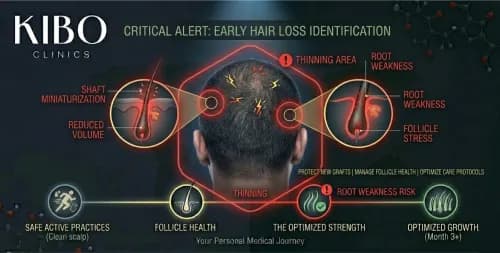
A receding hairline is one of the earliest symptoms of hair loss, and it can be very concerning especially when it starts early. In India many young people in their 20s are now reporting early hairline thinning or recession. Understanding the root cause genetics, hormonal factors, lifestyle or external stressors is essential before starting treatment. Follicular Unit Extraction (FUE) is widely considered a leading solution for hairline restoration because it offers minimal scarring, quick recovery and natural results. If hairline loss is not managed with medication or lifestyle changes, FUE could offer better and more lasting restore.
Published: August 12, 2026 – 5 min read
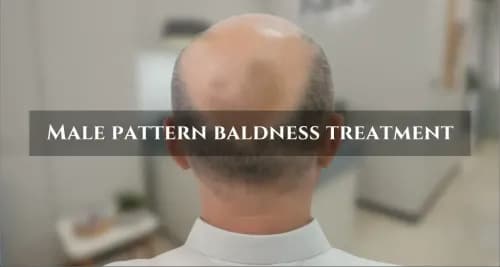
Male pattern baldness, or androgenetic alopecia, occurs in about 50% of men during their 50s. It is the most prevalent type of male hair loss. The condition is primarily due to genetic reasons and the hormone dihydrotestosterone (DHT).
Published: August 12, 2026 – 5 min read

This detailed guide explains hair transplant in South Mumbai with a focus on understandable cost influences, surgical process steps, growth phases and expected timelines. You will also learn about the personalised approach taken at Kibo Clinics to deliver natural looking results and structured aftercare. Whether you are considering surgery for the first time or preparing for a consultation, this guide helps you feel informed and confident about the journey ahead.
Published: August 12, 2026 – 5 min read

When scalp donor supply is limited or hair loss patterns are advanced, some people consider adding body hair to a scalp restoration. Others prefer relying on scalp hair alone. This guide explains how outcomes differ between body hair transplants and scalp-only restorations, how appearance changes over time, and how to judge progress fairly. It includes Mumbai aware tips for climate, commute, and daily styling, along with practical checklists and clear comparison tables.
Published: August 12, 2026 – 5 min read
High-volume hair transplant clinics consistently deliver more predictable results due to standardized protocols, experienced surgical teams, and refined techniques developed through thousands of procedures. Clinics performing 500+ surgeries annually have established systems for donor assessment, graft handling, and aesthetic planning that minimize variability. Their surgical teams gain muscle memory and pattern recognition impossible to achieve with low case volumes. This operational excellence translates to higher graft survival rates, more natural-looking hairlines, and fewer complications. While proximity and cost matter, choosing a high-volume clinic significantly increases the likelihood of achieving your desired outcome with minimal revision risk.
Published: August 12, 2026 – 5 min read

Budget hair transplants in smaller cities often advertise attractive upfront pricing, but hidden costs emerge months or years later, dramatically increasing total expenses. Common unexpected costs include revision surgeries for poor aesthetic outcomes (₹80,000-₹150,000), density correction procedures when initial grafts prove insufficient (₹60,000-₹100,000), donor area repair treatments for overharvesting damage (₹40,000-₹80,000), extended medication regimens compensating for suboptimal results (₹15,000-₹25,000 annually), and complication treatments for infections or scarring (₹20,000-₹50,000). Additional expenses include multiple follow-up visits, specialized therapeutic interventions, psychological counseling for disappointment, and opportunity costs from years of unsatisfactory appearance. Understanding these hidden costs reveals that cheap procedures frequently cost 2-3 times more than quality treatments when calculating total lifetime expenses.
Published: August 12, 2026 – 5 min read

Nashik patients travelling to Mumbai for a hair transplant often underestimate how important the first few days after surgery are. Staying the right number of days is not about convenience or hotel bookings. It directly affects graft safety, swelling control, early recovery quality, and peace of mind. This guide explains how many days you should stay in Mumbai, what happens on each recovery day, and how to plan your return to Nashik without compromising long term results.
Published: August 12, 2026 – 5 min read

For outstation patients returning home after a hair transplant, recovery is not a passive waiting period. The days and weeks after travel directly influence graft survival, comfort, and long-term outcomes. This guide explains how to manage recovery once you are back home, what is normal, what requires attention, and how structured follow-up support plays a critical role in ensuring predictable healing.
Published: August 12, 2026 – 5 min read
YOUR HAIR JOURNEY STARTS HERE