Everything a patient asks before and after a transplant: how FUE and FUT differ, what grafts actually cost in Indian cities, how long recovery takes, and how to judge whether a clinic is being straight with you.
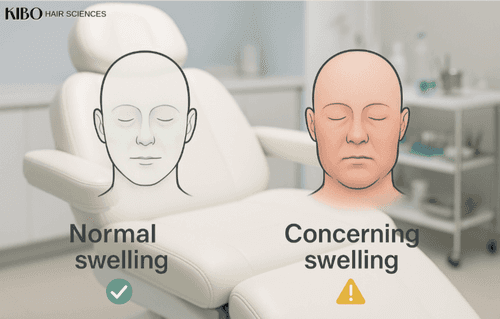
Facing swelling after your hair transplant can be a little alarming, but I promise you’re in good company. Swelling, or edema, usually tags along with healing and although it can change your appearance temporarily, it almost never signals trouble. I’ve put together this guide to explain why it shows up, how long you’ll probably notice it, simple steps to ease it, and the signs that mean a call to your doctor is a good idea.
August 12, 2026 – 5 min read
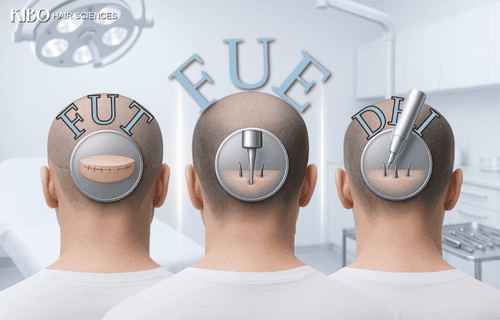
Walking into three different hair transplant clinics and receiving three completely different technique recommendations creates exactly the kind of confusion that prevents people from moving forward with treatment. One surgeon insists FUE is the only modern choice. Another explains why FUT remains the gold standard for extensive cases.
August 12, 2026 – 5 min read
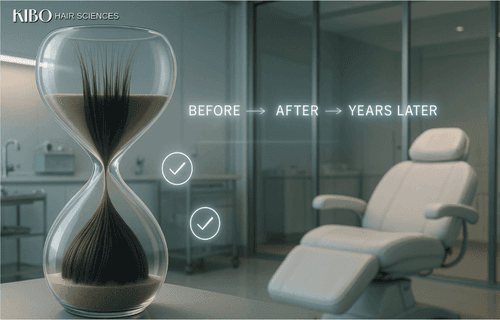
A comprehensive dermatologist's guide to hair transplantation covering FUE, FUT, and DHI techniques, ideal candidate criteria, step-by-step procedure.
August 12, 2026 – 5 min read
This comprehensive, patient-friendly guide explains the science and art of modern hair transplantation, including the main methods (FUE, FUT, and DHI), how to determine ideal candidacy, a step-by-step walkthrough of the procedure day, and a practical recovery timeline from day 1 to 12 months with expected results and longevity. It emphasizes compassionate care, meticulous technique, hygiene, and sterilization as cornerstones of safety and natural, permanent-looking outcomes, and highlights how a leading clinic like Kibo Hair Sciences combines medical expertise with advanced planning, comfort-focused protocols, and long-term follow-up for consistently refined results.
August 12, 2026 – 5 min read
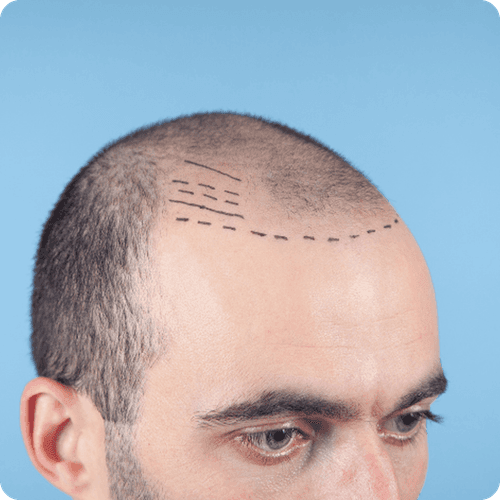
Hairline correction is a specialised hair restoration procedure designed to address and improve hairline that appears unnatural, asymmetric, or aesthetically unsatisfactory after a previous transplant. It focuses on refining the placement, shape, density, and natural blending of the frontal hairline to match an individual’s facial structure and age
August 12, 2026 – 5 min read
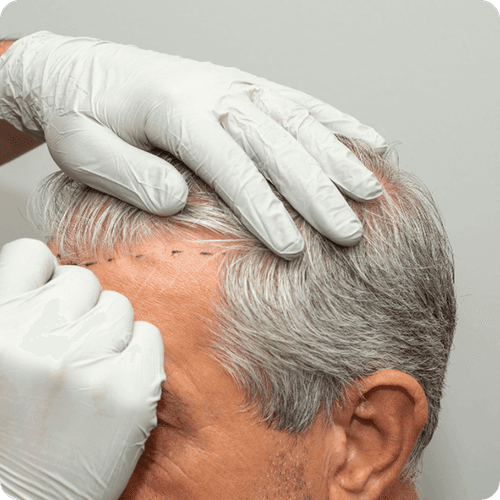
A corrective hair transplant, also known as a revision or repair transplant, is a specialised surgical procedure to fix the visible or functional problems caused by previous hair transplant. These issues can stem from outdated techniques, poorly planned hairline designs, technical errors, or graft survival problems. The goal is not simply to add more hair — it is to restore natural appearance and provide the most cosmetically acceptable results keeping surgical limitations in perspective.
August 12, 2026 – 5 min read
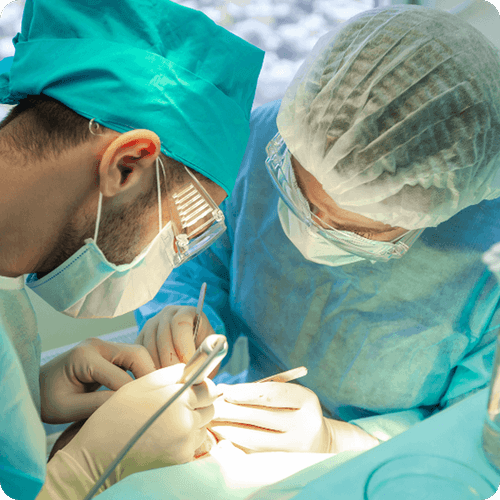
Real-time FUE is a modified FUE technique in which hair follicles are extracted and implanted almost simultaneously without storing the grafts for extended periods outside the body. This process minimises the time follicles spend out of the body, a factor that may influence graft survival and overall outcome.
August 12, 2026 – 5 min read
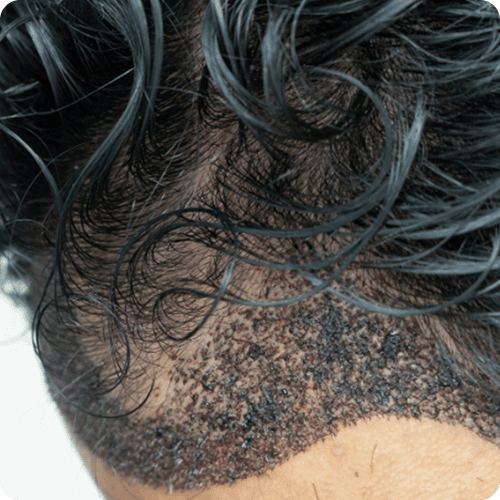
An unshaven hair transplant, often called a “no-shave FUE,” is a specialised hair restoration technique where grafts are extracted and implanted without shaving the entire scalp. Only small donor sections are trimmed, usually hidden beneath the longer hair. This approach allows patients to maintain their existing hairstyle during and after the procedure. It is designed for individuals who prefer privacy and wish to continue professional or social engagements without visible signs of surgery. The method demands higher surgical precision and takes longer than standard FUE, but offers unmatched discretion. Proper planning, eligibility assessment, and post-operative care are essential to achieving natural and consistent outcomes.
August 12, 2026 – 5 min read
YOUR HAIR JOURNEY STARTS HERE