Still waiting weeks to see results from a hair transplant and wondering if the grafts even survived? Real Time FUE is Kibo's surgeon-led approach to FUE, in which recipient sites are mapped and prepared before extraction begins, and grafts are implanted within minutes of harvest. No storage. No preserving solutions. Just precision placement, immediately.
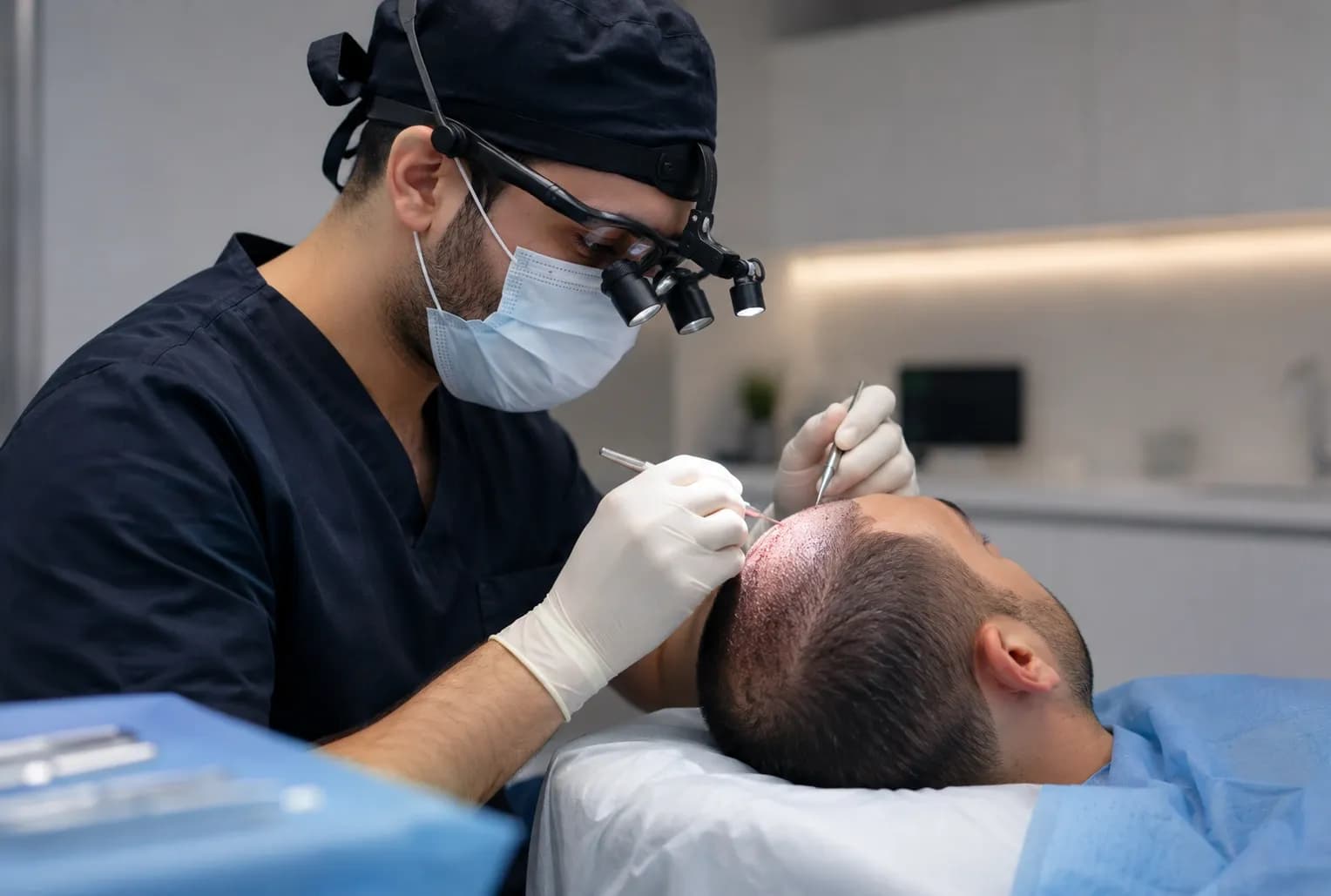
In a standard FUE procedure, grafts are extracted in bulk and stored in a holding solution for 4 to 6 hours before implantation. Every minute a graft spends outside the body increases the risk of cellular stress, dehydration, and reduced survival.Real-time FUE eliminates this waiting period. Recipient sites are created before a single graft is extracted. Extraction and implantation then occur in synchronised batches of 100–150 grafts at a time, with each follicle remaining outside the body for only 2–20 minutes. The result: higher graft survival, better density, and no wasted follicles.
Before any grafts are extracted, the surgeon creates all recipient sites on the scalp. This pre-planning step determines exactly how many grafts are needed, at what angle, depth, and direction, so nothing is guessed, and no graft is wasted. In standard FUE, this step happens after extraction, meaning grafts sit waiting.
Grafts are extracted in small batches of 100–150 at a time using a precision micropunch tool (0.6–1.0 mm). Unlike standard FUE, where all grafts are extracted before any are implanted, Real Time FUE begins implantation as soon as each small batch is ready.
Each batch of grafts is placed into the pre-made recipient sites within minutes of extraction, typically 2 to 20 minutes. Grafts are never stored in a preserving solution. This dramatically reduces cellular stress and maximises the proportion of follicles that survive and grow. The entire process repeats in cycles until the procedure is complete.
Where clinically appropriate, PRP (platelet-rich plasma) may be applied after implantation to support healing and encourage healthy growth. This is an optional enhancement, not a standard part of every procedure.
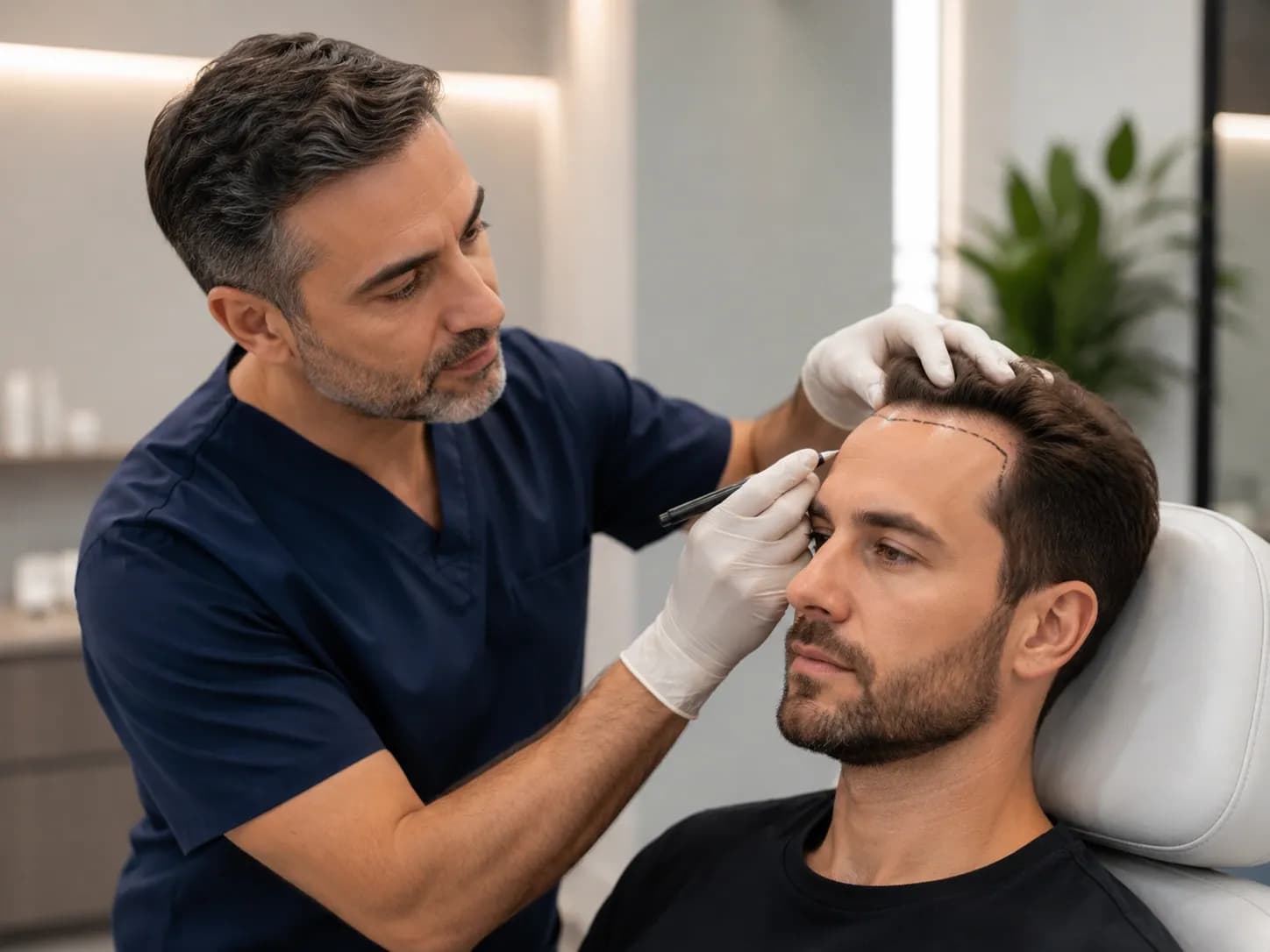
Plan all recipient sites before extraction begins, giving us precise control over hairline design, graft density, and hair direction from the start.
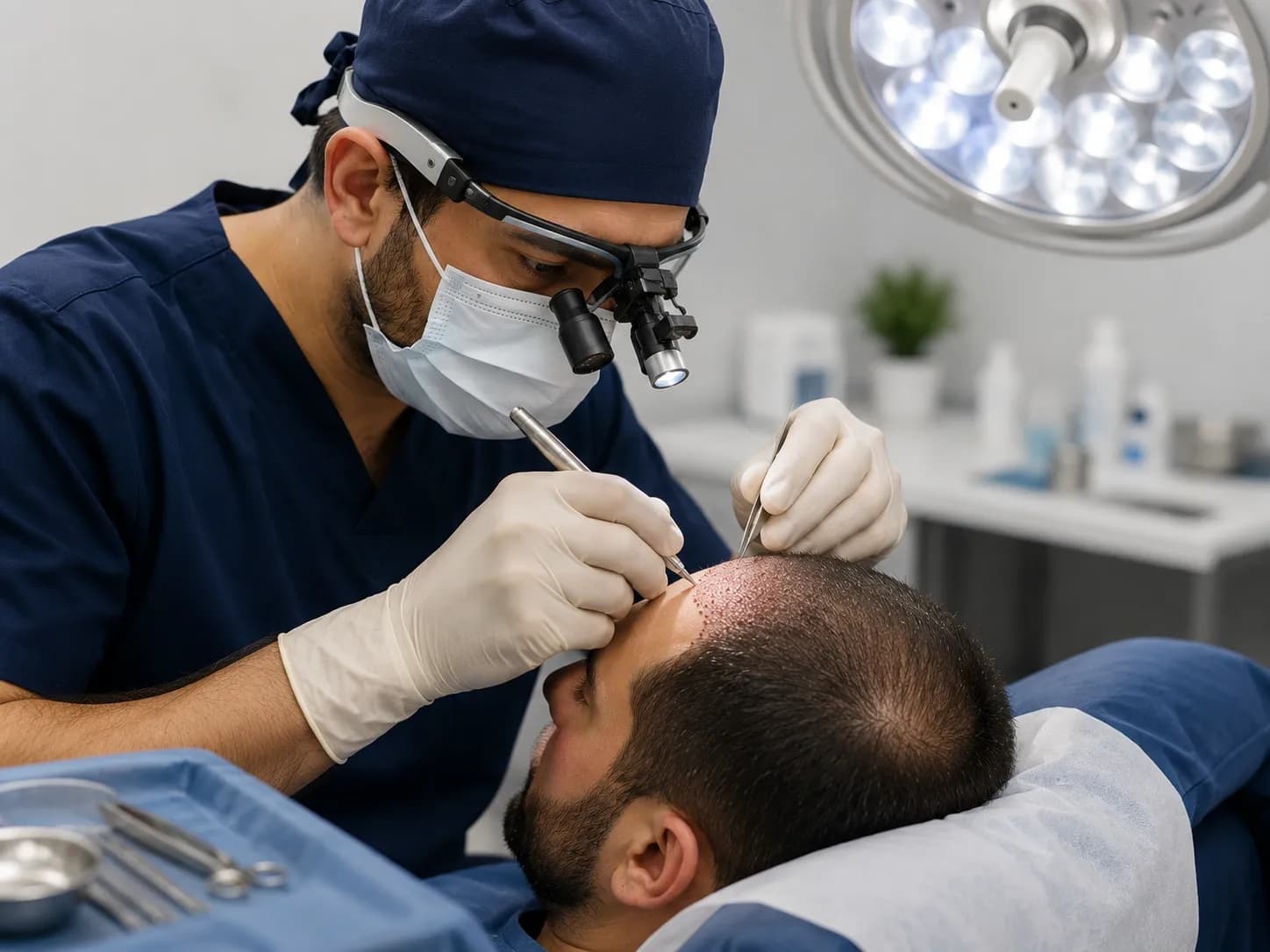
Extract and implant in synchronised batches so no graft spends more than minutes outside the body.
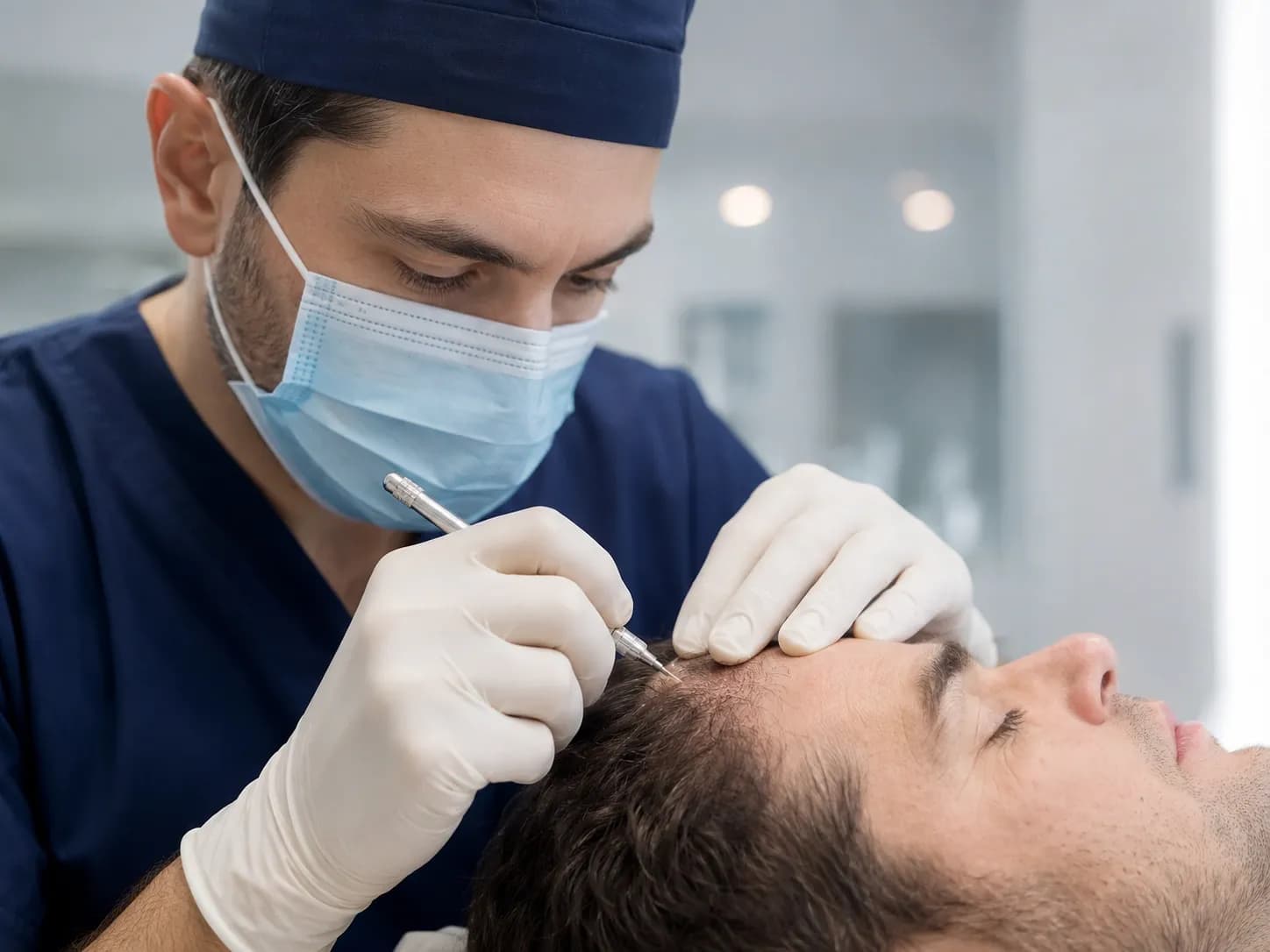
Use advanced micropunch instruments to minimise donor-area trauma and preserve long-term donor supply.
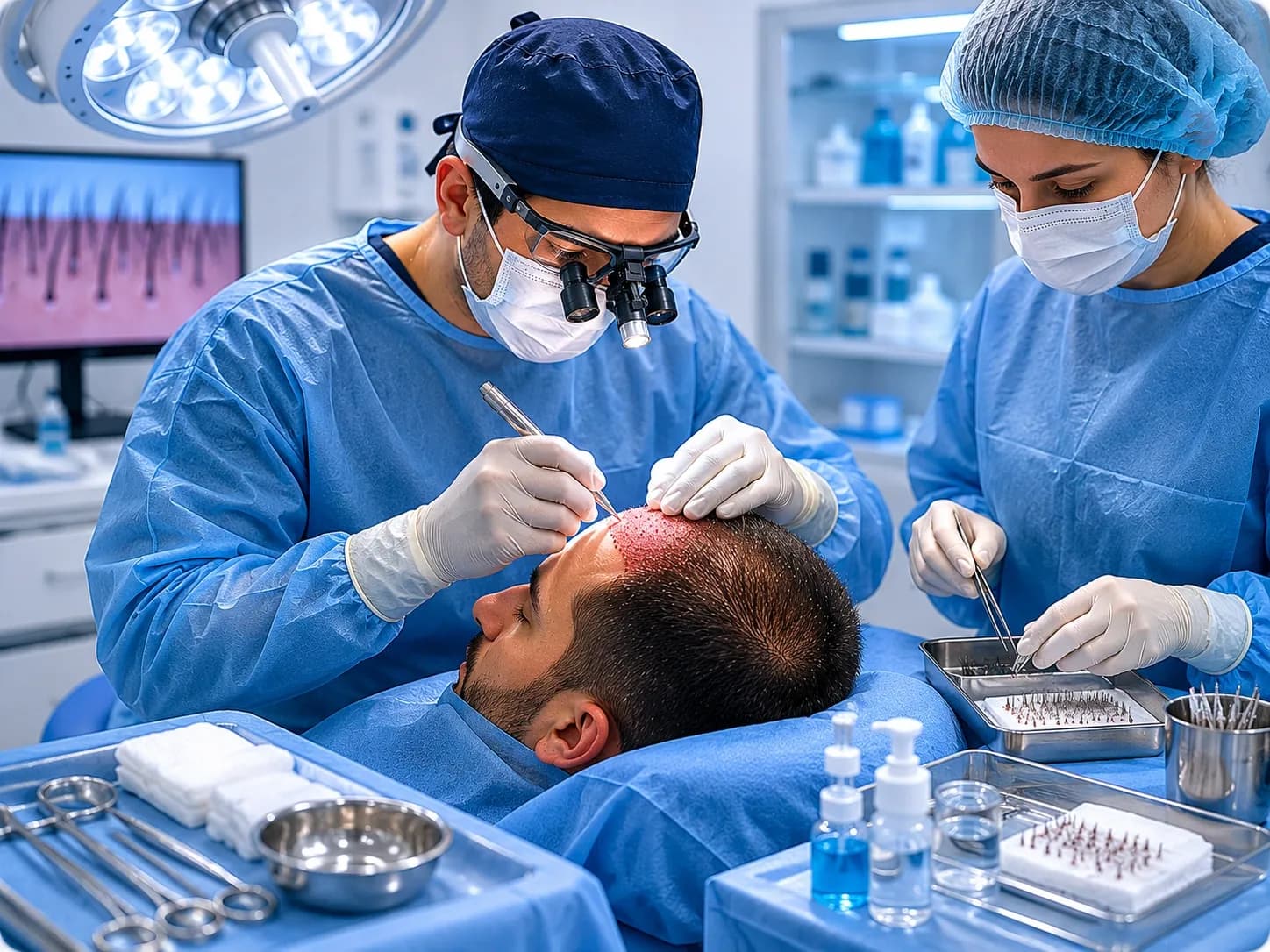
Ensure every phase of the procedure, slit creation, extraction, and implantation, is surgeon-led, not delegated to technicians.
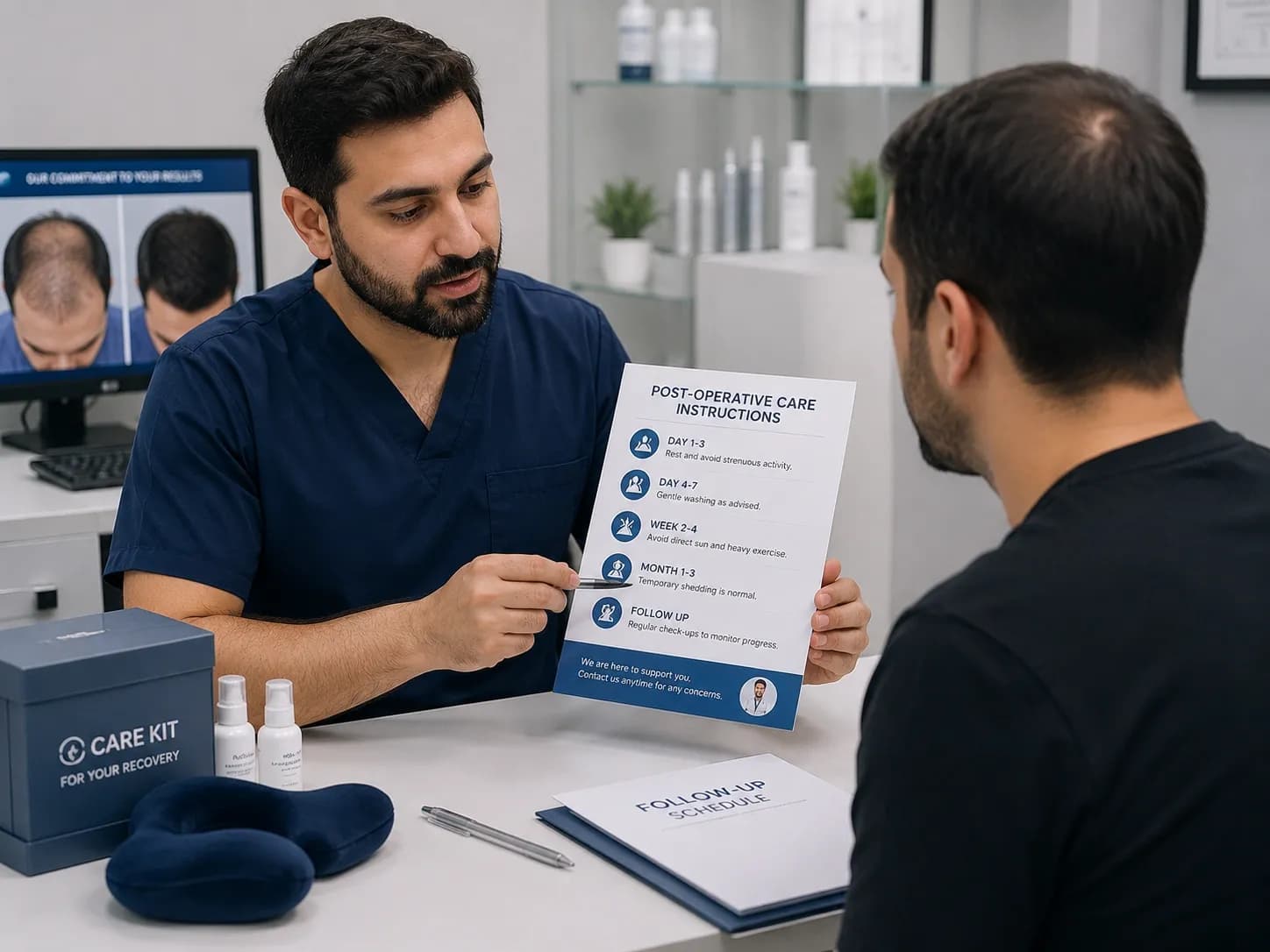
Kibo also provides comprehensive aftercare support to ensure the best possible outcome.
Real-Time FUE is especially well-suited for patients in whom graft survival and density are the highest priorities. It is ideal for those who:
Have early-to-moderate hair loss (Norwood Grade 2–5) and want maximum density from each session.
Have a limited or sparse donor area where zero graft wastage is critical. Want to fill in or blend the results of a previous procedure using precise, pre-planned placement.
Are seeking a natural-looking hairline where angle, direction, and density are decided in advance.
Want a fully surgeon-led procedure from start to finish.
A personalised consultation with our doctor will determine whether Real Time FUE is the right option for you.

Your scalp may feel tender, and you will notice some redness and minor swelling, which is completely normal. Sleep with your head slightly elevated and avoid touching or wetting the treated area.
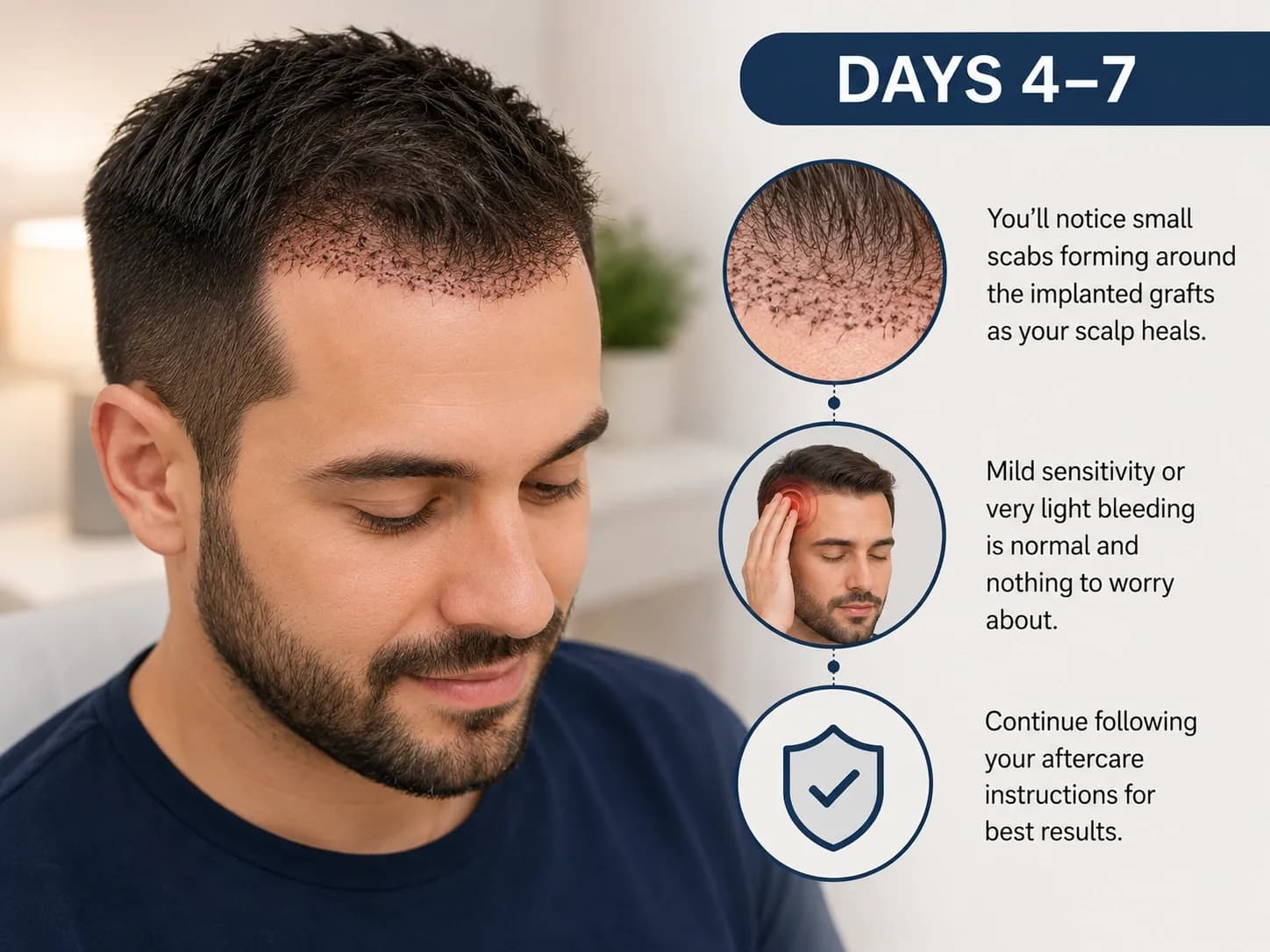
Small scabs form as your scalp heals. Mild sensitivity or light bleeding is normal and not a cause for concern.
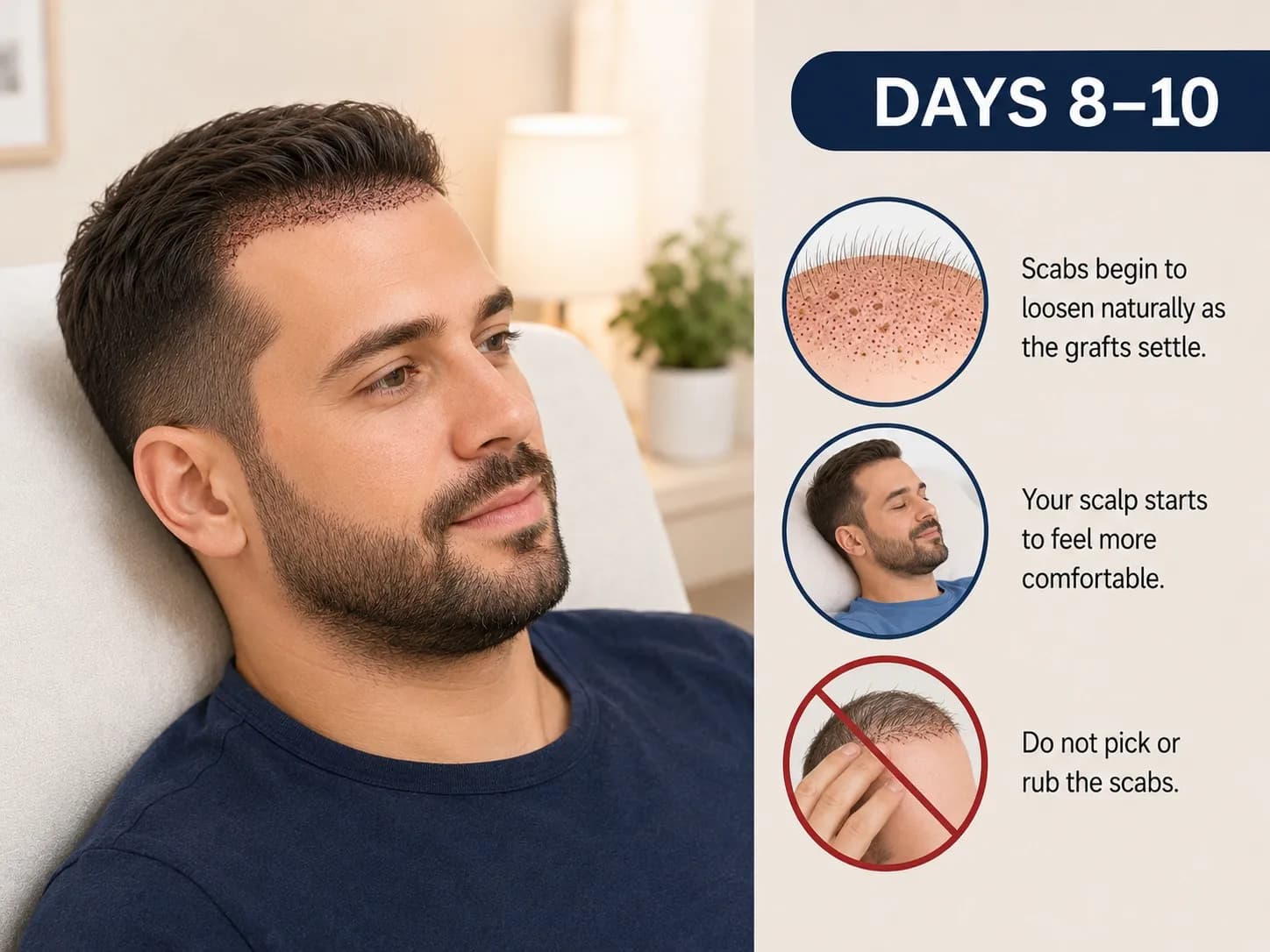
Your scalp feels more comfortable, and scabs begin to loosen naturally as the grafts settle in.

Most scabs fall away on their own, and your new follicles are becoming securely anchored.
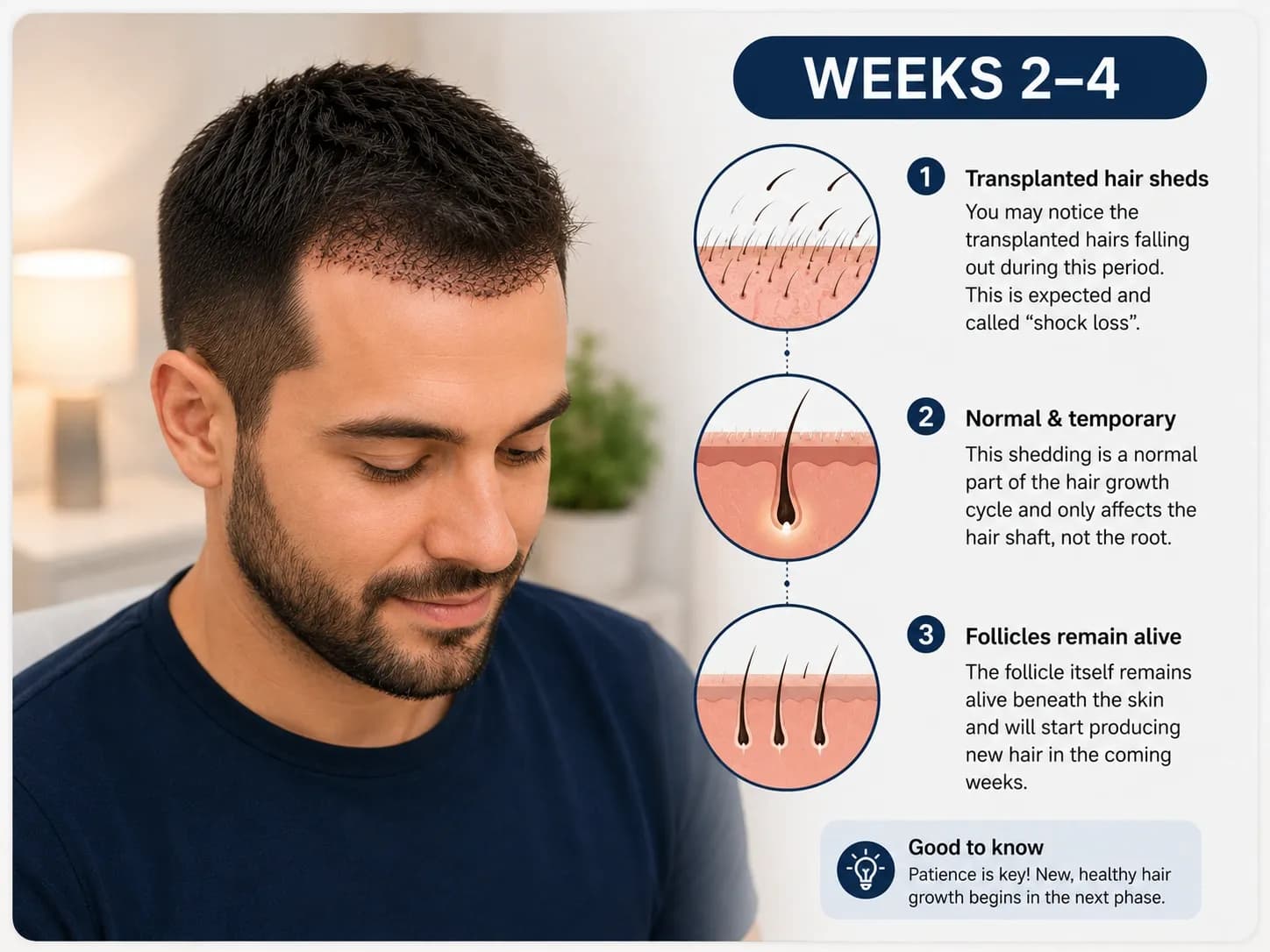
Some transplanted hair will shed. This is completely normal and expected (shock loss).
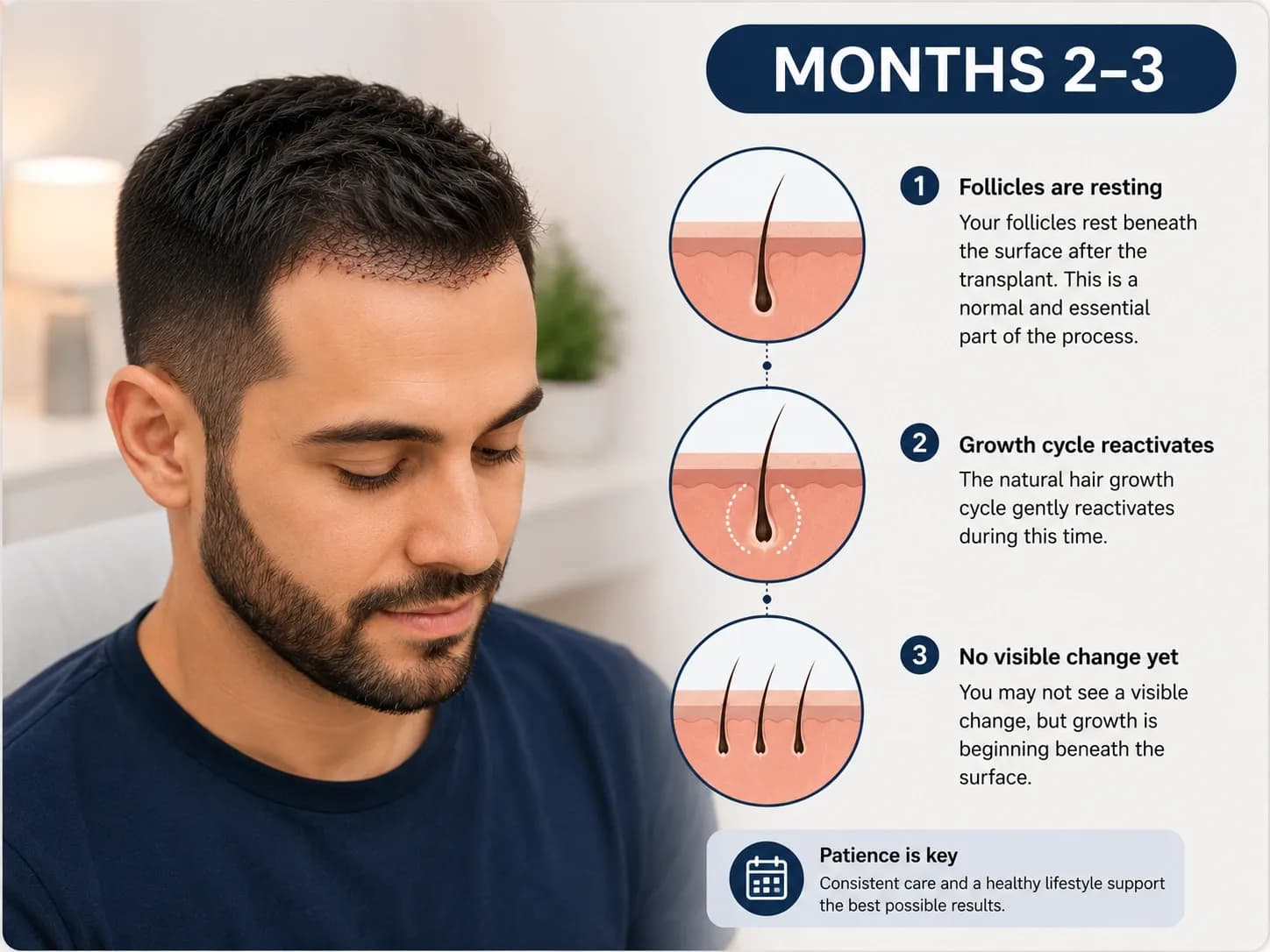
Follicles rest beneath the surface while the growth cycle gently reactivates.
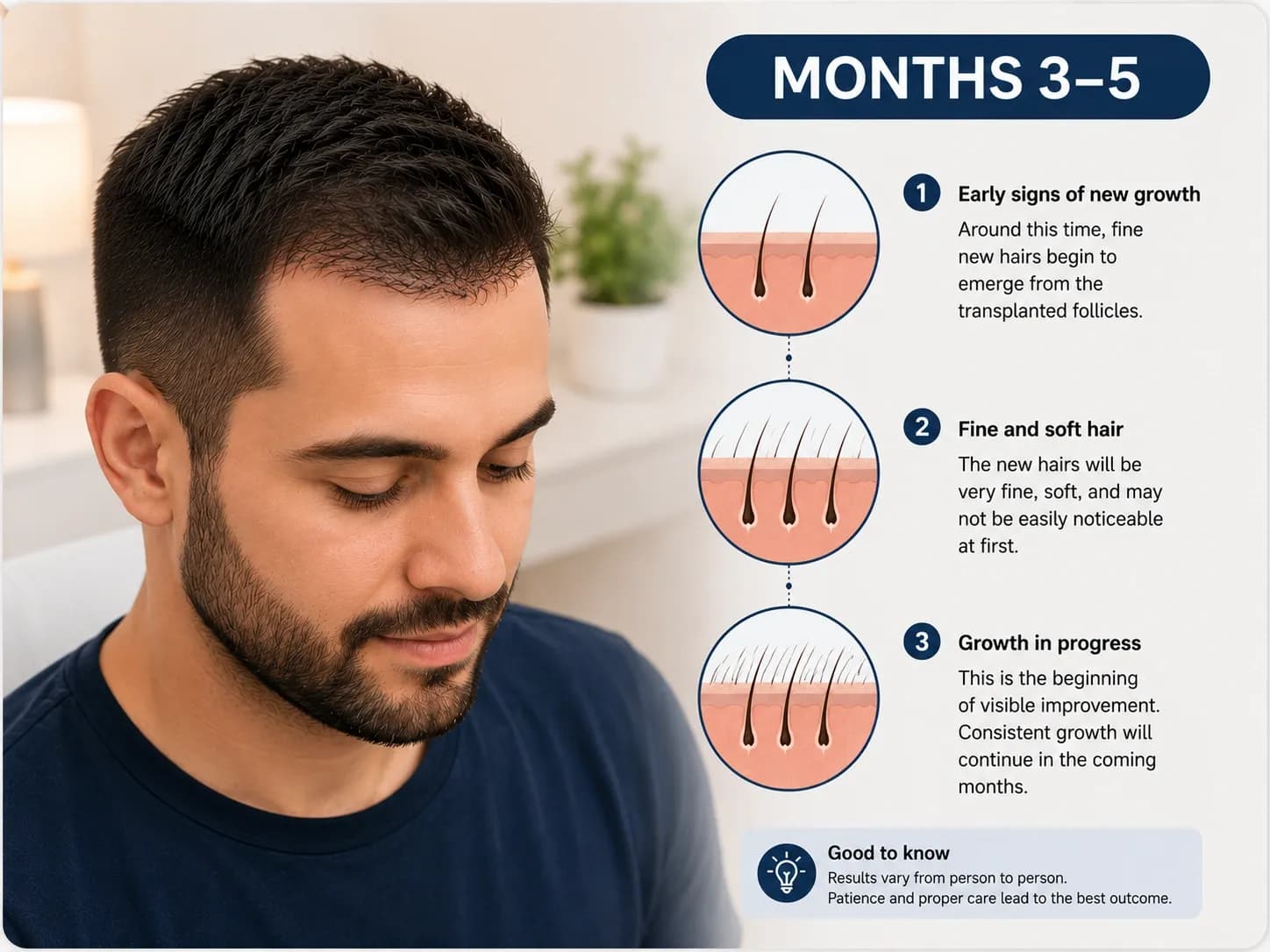
Fine new hair begins appearing from the transplanted follicles.
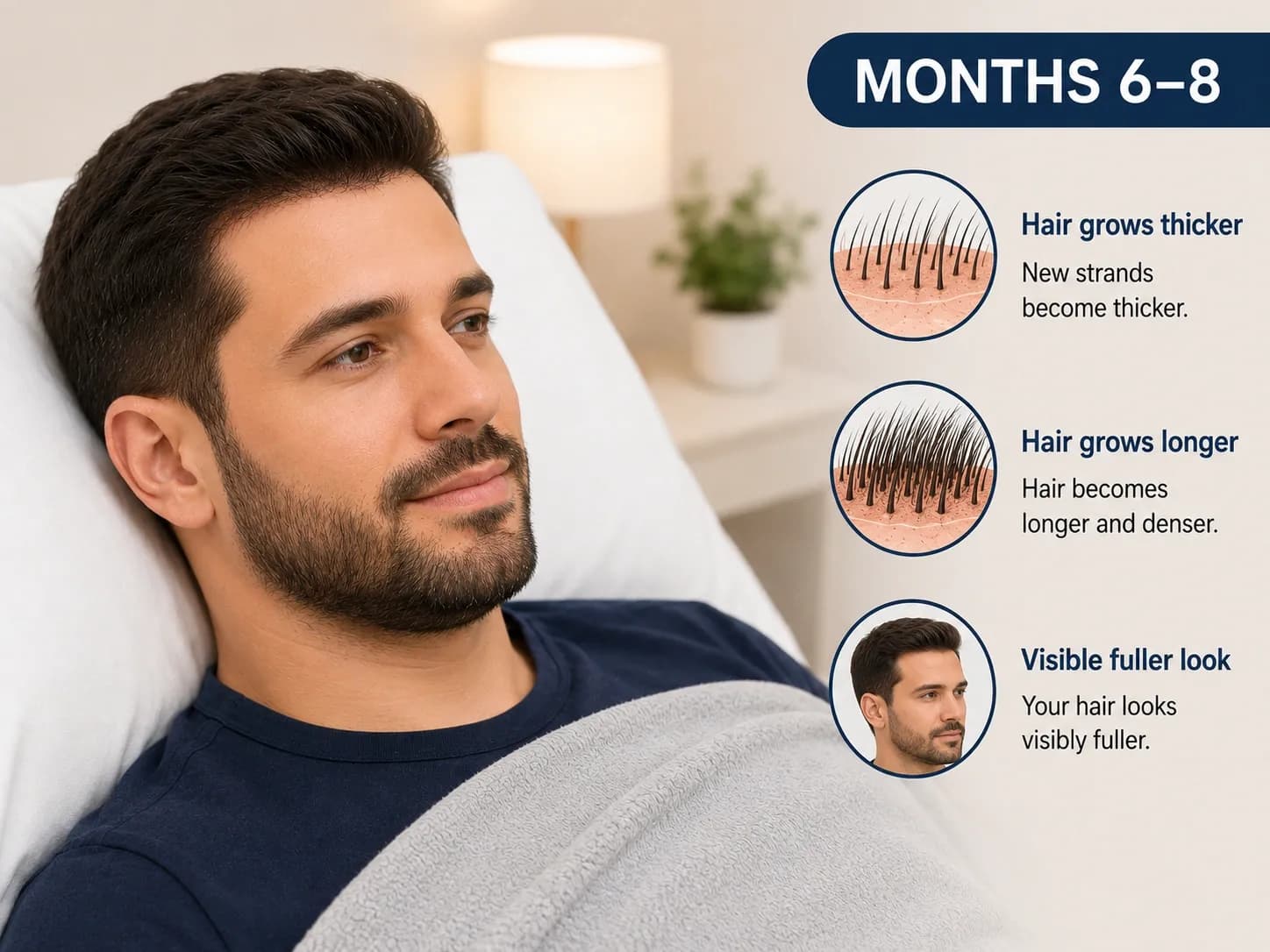
Hair looks fuller as new strands grow thicker and longer.
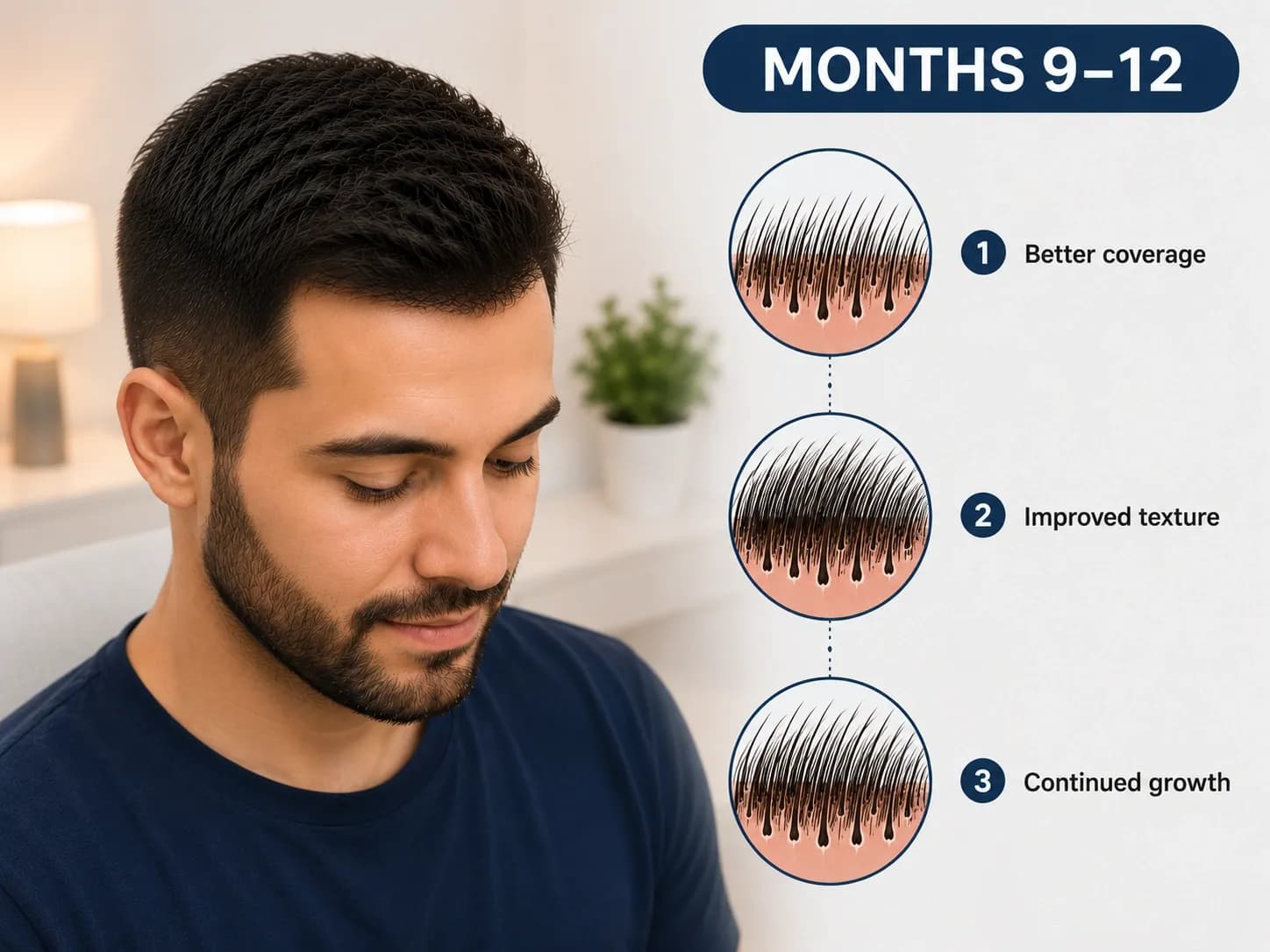
Coverage and texture continue to visibly improve.
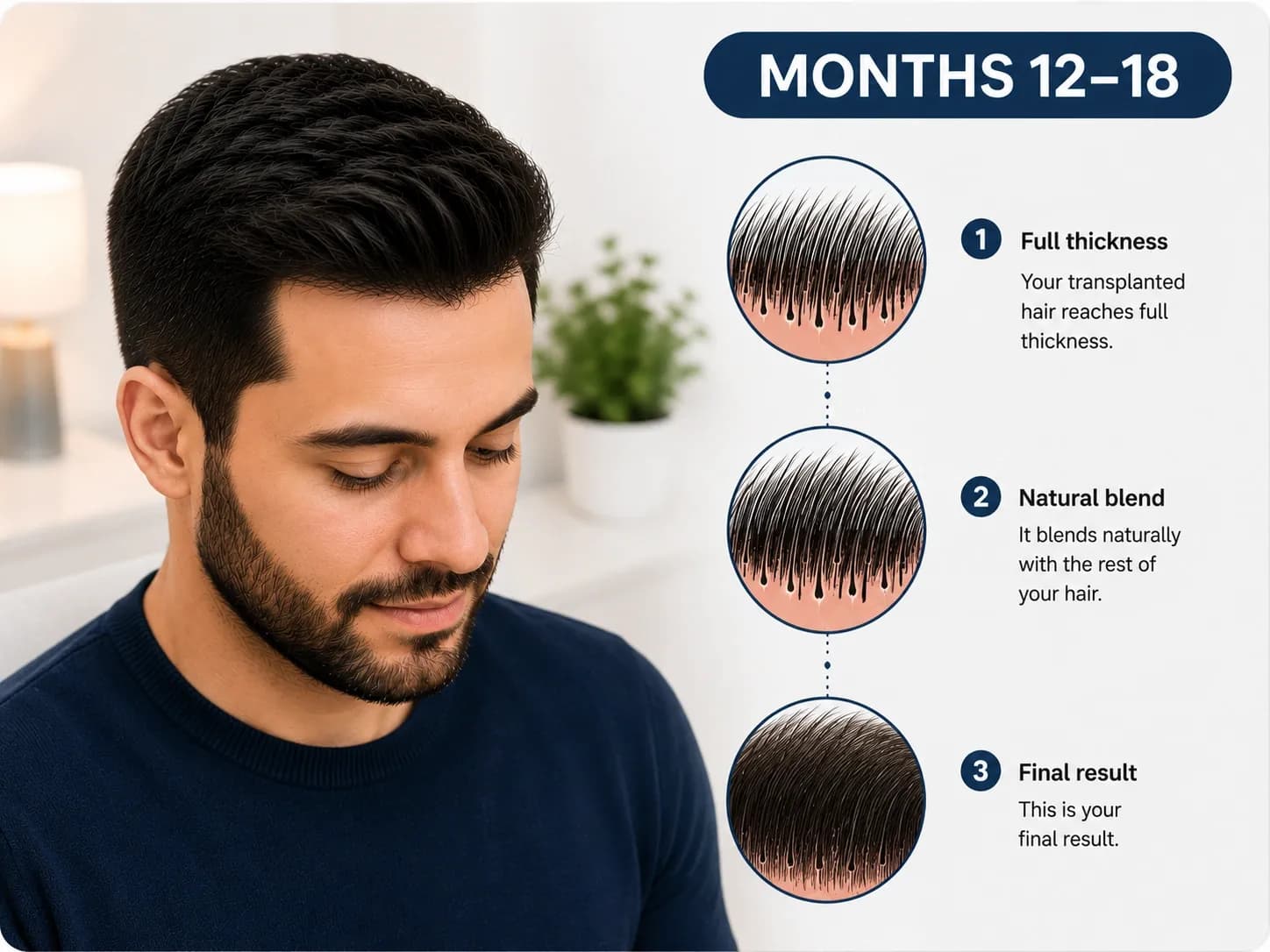
Transplanted hair reaches full thickness and blends naturally with the rest of your hair.
In traditional FUE, grafts are extracted in bulk and stored in a holding solution for 4 to 6 hours before implantation. In Real Time FUE, recipient sites are created first before any extraction begins and grafts are implanted in small batches within 2–20 minutes of being harvested. No preserving solution is used. This dramatically reduces cellular stress on each graft and improves survival.
Real Time FUE is best suited for patients with early-to-moderate hair loss (Norwood Grade 2–5) who have a healthy donor area and are prioritising maximum graft survival and density. It is also ideal for patients with a limited donor supply, where zero graft wastage matters most, and for those looking to refine a previous procedure.
Key benefits include: maximum graft survival (grafts spend only 2–20 minutes outside the body), zero graft wastage (the exact graft count is planned before extraction), higher-density results, no chemical preservative solutions, a precisely planned hairline design, and a fully surgeon-led procedure throughout.
Real Time FUE may be priced higher than standard FUE because it requires a more skilled, surgeon-led team operating in precise coordination throughout the procedure. However, the higher graft survival rate and zero wastage often mean better results per session, delivering greater long-term value.
Patients who benefit most are those who need maximum density from a limited donor supply, those with early-to-moderate pattern hair loss seeking a fully natural result, and those who want precise, pre-planned hairline design with no improvisation on the day.
Graft survival in Real Time FUE is significantly higher than in standard FUE because follicles spend only 2–20 minutes outside the body compared to 1–2 hours. Simultaneous extraction and implantation techniques consistently improved survival rates, reduced dehydration and cellular stress, and resulted in a higher proportion of grafts resulting in permanent hair growth.
Procedure duration depends on the number of grafts required. Because extraction and implantation occur in coordinated batches rather than two separate, long phases, the workflow is more efficient, though the overall session time is broadly comparable to that of standard FUE. Your doctor will give you a time estimate at your consultation.
Most patients can return to light daily activities within 3–5 days. Minor redness, swelling, or crusting typically resolves within 7–10 days. You should avoid strenuous exercise and direct sun exposure for 2–3 weeks. Some transplanted hair will shed in weeks 2–4. This is normal shock loss and not a sign of failure. Full results develop over 12–18 months.
Yes. Because the surgeon designs and creates all recipient sites before extraction begins, the angle, direction, and density of every graft are decided with full precision, not adjusted under time pressure. This pre-planning is what allows Real Time FUE to achieve consistently natural, high-density results that blend seamlessly with your existing hair.
Book a free consultation with our experienced doctors to discover your best options and gain clear insight into your expected results.
YOUR HAIR JOURNEY STARTS HERE