
The Dangers of "DIY" Hair Masks: When Kitchen Ingredients Do More Harm
Published on Wed Mar 18 2026
Riya mixed eggs, yogurt, honey, and coconut oil into a paste she'd seen recommended online. "I left it on for an hour like the video said," she explained, "and my hair felt amazing initially. But the next morning my scalp was itchy and inflamed. What went wrong?" Understanding the risks of DIY hair treatments helps you avoid damage while pursuing natural protective hair care approaches.
Why DIY Masks Can Cause Problems
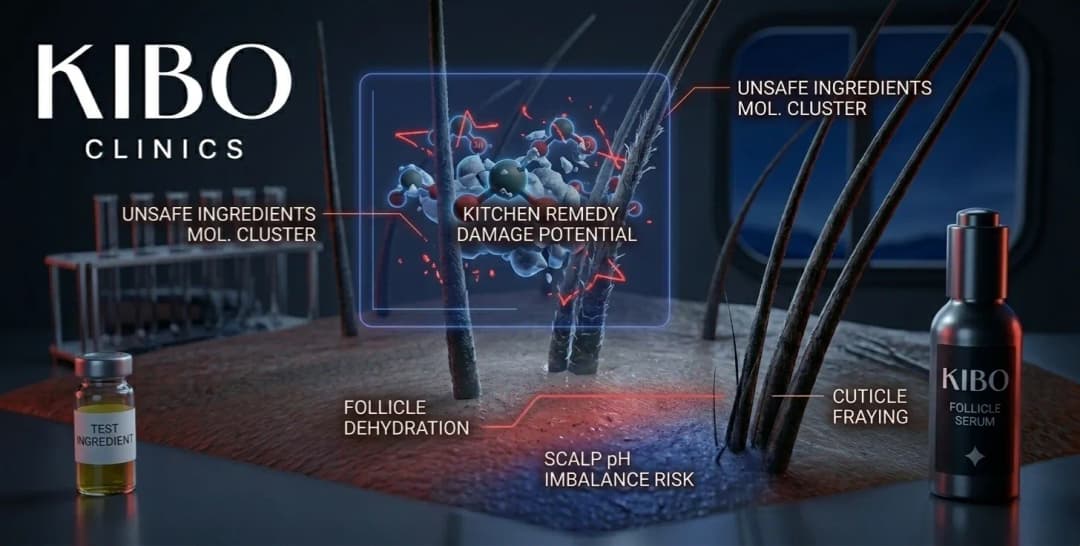
Kitchen ingredients aren't formulated for hair application, meaning pH levels, particle sizes, and chemical compositions may be incompatible with scalp and hair chemistry. Some natural ingredients contain allergens or irritants that affect sensitive individuals, with reactions ranging from mild itching to severe contact dermatitis. Protein-based masks using eggs or yogurt can cause protein overload, making hair stiff and brittle rather than strengthened.
Homemade mixtures lack preservatives, creating contamination risks if stored or if ingredients were already harboring bacteria or fungi. Some combinations create chemical reactions that weren't intended, potentially damaging hair structure or scalp tissue. The ratios and application methods shared in blogs or videos often aren't tested or verified, leading to excessive concentration or inappropriate use.
For Riya, her mixture's honey created a sticky film that trapped bacteria against her scalp, while the egg protein overloaded her already protein-rich hair, causing the stiffness she initially mistook for strength. The inflammation came from prolonged contact with ingredients her scalp couldn't tolerate.
Common DIY Ingredients and Their Actual Effects
Coconut oil deeply penetrates hair shafts, which benefits dry hair but can cause buildup and greasiness in people with fine or oily hair. Eggs provide protein that strengthens hair when used appropriately but causes protein overload and unpleasant smell when overused or not rinsed properly. Lemon juice can lighten hair through acid effects but also strips moisture and can irritate sensitive scalps.
Baking soda's high alkalinity disrupts hair's acidic pH, potentially causing cuticle damage despite its popularity for clarifying treatments. Apple cider vinegar can help restore pH when properly diluted but burns and irritates when used too concentrated. Honey attracts moisture but also attracts dirt and can be impossible to rinse completely from hair.
The Formulation Knowledge Gap
Commercial hair products undergo stability testing, preservative optimization, pH adjustment, and irritation screening that DIY mixtures skip entirely. Professional formulators understand ingredient interactions, appropriate concentrations, and application methods that casual experimenters don't. The delivery systems in commercial products help active ingredients penetrate or coat hair effectively in ways that simple mixing can't replicate.
What works for one person's hair may damage another's due to differences in hair porosity, texture, existing damage, and scalp sensitivity. The viral nature of DIY recipes means unsuccessful or harmful results don't get shared while positive experiences get amplified, creating biased perception of safety and effectiveness.
Safer Approaches to Natural Hair Care
If using DIY treatments, patch test on small scalp areas first and wait 24-48 hours to check for reactions before full application. Start with single-ingredient treatments rather than complex mixtures to identify what actually helps versus what causes problems. Follow evidence-based ratios and methods from dermatological sources rather than random blog posts or social media.
Consider professionally formulated natural products that use plant-based ingredients in tested, safe formulations rather than making uncontrolled mixtures at home. Understand that "natural" doesn't mean safe, as many potent allergens and irritants exist in nature. Limit frequency of DIY treatments to weekly at most rather than daily or multiple times per week.
For Riya, we recommended discontinuing all DIY masks until her scalp inflammation resolved, then if she wanted to continue natural treatments, using single commercially prepared natural oils rather than complex homemade mixtures.
When DIY Damage Requires Professional Treatment
If scalp burns, persistent redness, or hair breakage develops from DIY treatments, professional evaluation determines whether damage is superficial and temporary or requires specific treatment. Allergic contact dermatitis from DIY ingredients may need prescription topical steroids to resolve. Severe protein overload or chemical damage to hair structure might require professional strengthening treatments or strategic trimming.
Frequently Asked Questions
Can lifestyle changes prevent hair loss?
Lifestyle modifications can slow progression and improve overall hair health, but genetic pattern baldness requires medical or surgical intervention.
How do I know if my hair loss is temporary?
Temporary shedding from stress, nutrition, or medication typically resolves within 6-9 months, while pattern baldness progresses steadily over years.
What vitamin deficiencies cause hair loss?
Iron, vitamin D, vitamin B12, and zinc deficiencies can contribute to hair thinning, though correction only helps if deficiency exists.
Should I use special shampoos for hair loss?
Medicated shampoos help scalp health but dont treat underlying hair loss. Focus on proven treatments like minoxidil or finasteride for actual regrowth.
How often should I wash thinning hair?
Wash as needed based on oil production, typically every 2-3 days. Washing frequency doesnt affect hair loss despite common myths.
Can stress cause permanent hair loss?
Acute stress triggers temporary shedding that resolves naturally. Chronic stress may accelerate genetic hair loss but doesnt solely cause permanent baldness.
Do hair growth supplements actually work?
Supplements only help if you have documented nutritional deficiency. For people with adequate nutrition, supplements provide minimal benefit.
Is thinning hair a sign of health problems?
Sometimes. Sudden significant shedding warrants blood work to check thyroid, iron, and other markers, though most hair loss is genetic.
What foods are best for hair health?
Protein-rich foods, iron sources like lean meat and spinach, and foods with zinc and biotin support hair health, but diet alone wont reverse genetic baldness.
Why Kibo Clinics
At Kibo Clinics, we respect patients' interest in natural approaches while providing honest guidance about risks and realistic expectations. Our planning-first philosophy includes helping you distinguish between evidence-based natural treatments and potentially harmful DIY experiments. We focus on proven interventions whether natural or medical, rather than dismissing natural approaches entirely or encouraging unsafe experimentation.
Disclaimer: This blog is for informational purposes only. Consult qualified healthcare providers for personalized medical advice.
Hair Regrowth Services
Mesotherapy For Hair Regrowth | Hairline Correction | Iv Hair Boosters | Microneedling For Hair Regrowth | Corrective Hair Transplant | Unshaven Hair Transplant
Must Read
Bht Recovery Guide What To Expect In Mumbai | Anabolic Steroids Hair Loss | The Role Of Patience In Seeing Hair Growth Results | Hair Transplant Longevity | Cost Of Hair Transplant In Jaipur | Graft Survival Factors
Relevant Blogs
Best Hair Transplant In Dadar | Top Questions About Hair Transplant Emi And Discounts | Cost Of Hair Transplant In Mumbai | Cost Of Hair Transplant In Lucknow | Office Chair Headrest Hair Breakage | Cost Of Hair Transplant In Bhopal | Wet Hair Styling Root Vulnerability