
Can I Wear a Helmet After a Hair Transplant?
Published on Mon Mar 23 2026
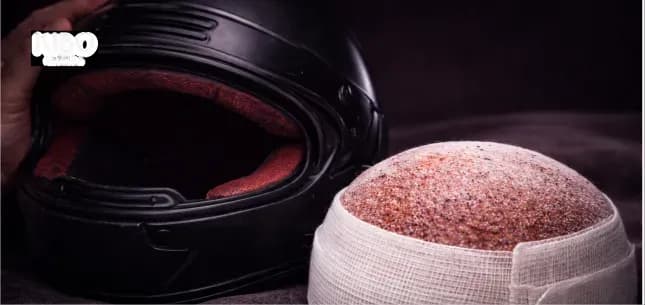
Arjun rides through Mumbai traffic daily. His helmet felt tight against his 2-month-old grafts. "When can I wear it normally?" he asked his surgeon. The answer surprised him.
Pradeep messaged us from Pune two days after his hair transplant. "I have to ride my bike to work starting Monday," he wrote. "My manager won't accept work-from-home beyond this week. When can I safely wear my helmet without damaging the grafts?"
If you ride a two-wheeler daily, work in construction, or have any job requiring protective headgear, this question probably kept you up at night before booking your hair transplant. The honest answer: it depends on your healing timeline, the type of helmet, and how you wear it. Let's break down exactly what's safe and when.
Why Helmets Are Risky in Early Recovery
During our consultation, we explained to Pradeep what happens in those critical first days. When follicles are freshly implanted, they're held in place primarily by the surrounding tissue and blood clot formation. For the first 7 to 10 days, grafts are vulnerable to physical displacement from pressure, friction, or pulling.
Helmets create three specific risks during this period. First, the weight and pressure of even a lightweight helmet compress the scalp, potentially dislodging grafts that haven't anchored firmly. Second, putting on or removing a helmet creates friction as the inner padding slides across your scalp. This rubbing motion can physically shift grafts out of position. Third, helmets trap heat and moisture, creating an environment where bacteria multiply more easily, increasing infection risk when your scalp has hundreds of healing micro-wounds.
Understanding this isn't about fear. It's about making informed decisions that protect your investment. The healing process follows predictable stages, and respecting those stages dramatically improves your final results.
The Safe Timeline for Different Helmet Types
We gave Pradeep a detailed timeline based on his specific situation. For full-face helmets, which distribute weight across a larger area but create more friction during removal, we recommend waiting a minimum of 14 days, ideally 21 days for complete safety.
Open-face helmets typically sit higher on the head and create less contact with transplant areas. If your grafts are primarily on the hairline and crown, and the helmet barely touches these zones, you might carefully resume use after 10 to 12 days. However, this requires extremely careful fitting checks.
Half helmets or skull caps create concentrated pressure on the crown and top of the head. These are particularly problematic if grafts were placed in these areas. Wait at least 14 to 16 days before even attempting to wear these styles.
Construction hard hats, which sit high and distribute weight differently, might be manageable sooner than motorcycle helmets if they don't contact transplant zones. However, the risk of bumping your head while wearing a hard hat makes us recommend at least 10 to 12 days of recovery before returning to construction sites.
For Pradeep, who needed to commute 18 kilometers each way on Mumbai-Pune highway, we recommended minimum 14 days off. His grafts were across the frontal hairline and mid-scalp, exactly where his full-face helmet would create maximum contact. Rushing this timeline wasn't worth risking thousands of grafts.
What Actually Happens If You Wear a Helmet Too Soon
One of Pradeep's colleagues had worn his helmet on day 8 and noticed some grafts on his pillowcase the next morning. This isn't uncommon, and it's exactly what we try to prevent through proper guidance.
When premature pressure is applied to healing grafts, several things can happen. Grafts that haven't fully anchored can shift position, creating uneven distribution in your final results. Some grafts may be completely dislodged, leaving gaps in coverage that require additional procedures to correct. The friction can damage the delicate blood vessel connections forming around each follicle, compromising graft survival even if the follicle stays in place.
Additionally, trapped moisture and heat under a helmet create ideal conditions for bacterial growth. If bacteria enter healing graft sites, folliculitis or infection can develop, threatening both graft survival and your overall health. Understanding these risks helps you appreciate why patience during recovery isn't optional.
Daily Habits Making the Problem Worse
When we reviewed Pradeep's routine, we discovered habits that would have multiplied his helmet-related risks. He usually checked his phone while riding and frequently adjusted his helmet at traffic lights. Each adjustment meant friction across his healing scalp.
He also stored his helmet in his bike's storage compartment, where dust and pollution particles accumulated on the inner padding. Placing this contaminated padding against healing graft sites would introduce bacteria directly into vulnerable tissue.
His commute involved significant sun exposure, and he planned to wear the helmet over scalp already irritated by UV radiation. This combination of heat, pressure, and existing inflammation would dramatically increase complication risk.
Understanding how everyday activities affect follicle health became crucial for Pradeep's recovery planning. We needed to address not just the helmet itself, but the entire context of his daily commute.
Not sure about your hair loss stage or best treatment option?
Safe Strategies for Essential Helmet Use
Pradeep's work situation wasn't flexible, so we developed a practical strategy for the earliest safe helmet use. First, we had him thoroughly clean his helmet's inner padding with antibacterial solution, then air-dry it completely before considering use. Any lingering moisture or bacteria had to be eliminated.
We recommended placing a clean, thin cotton cloth between his scalp and the helmet padding. This barrier reduces direct friction against graft sites while absorbing any moisture. The cloth needed changing daily and thorough washing after each use.
For helmet application, we taught him to place it on his head without sliding or adjusting. Lower the helmet straight down from above, settling it gently without any dragging motion across the scalp. This takes practice but eliminates the main friction risk.
During the ride, he needed to avoid adjusting, scratching, or touching the helmet. Each adjustment creates friction. If the helmet feels uncomfortable, stop safely and remove it completely rather than shifting it while riding.
For removal, lift straight up without tilting or dragging. This often means loosening the chin strap completely before removal, then lifting vertically. Again, this eliminates the sliding friction that damages grafts.
We also discussed his commute timing. Riding during peak Mumbai-Pune traffic meant longer exposure to heat and polluted air trapped under the helmet. Starting earlier or later when traffic was lighter reduced total helmet time and heat exposure.
Finally, we emphasized the importance of post-commute scalp care. Immediately after removing the helmet, he needed to gently wash his scalp with prescribed cleanser to remove any sweat, oil, or pollution particles that accumulated under the helmet during the ride.
When Professional Obligations Can't Wait
For some patients, delaying helmet use simply isn't possible. Delivery riders, traffic police, or construction site managers face legitimate career consequences if they can't work. In these cases, we explore alternative solutions rather than rushing into unsafe helmet use.
Can you temporarily arrange different transportation through carpooling or cab services? The cost seems high initially, but protecting your transplant investment justifies the expense for a few weeks. Can your employer provide modified duty without helmet requirements for 2 to 3 weeks? Many companies accommodate medical recovery when properly documented.
For patients who absolutely must wear helmets earlier than recommended, we provide extra-detailed guidance on minimizing risks, closer monitoring through telemedicine follow-ups, and adjusted expectations about potential graft loss. We never recommend truly unsafe practices, but we work within reality when no other options exist.
Recognizing Warning Signs After Helmet Use
We taught Pradeep specific signs requiring immediate contact with our clinic. Increased redness or swelling in helmet contact areas, especially if worsening rather than improving, suggests excessive pressure caused inflammation. Small amounts of blood or fluid on the helmet padding indicate grafts may have been disturbed or damaged.
Increased pain in specific areas where the helmet pressed hardest, particularly if accompanied by tenderness to touch, might indicate tissue damage requiring evaluation. Any signs of infection including warmth, pus, unusual discharge, or fever must be addressed urgently regardless of when they appear.
If you notice significantly more hair shedding immediately after resuming helmet use, this could indicate premature mechanical stress on recovering follicles. While some shedding is normal during shock loss phase, sudden increases after new mechanical stress warrant discussion with your surgical team.
Long-Term Helmet Use and Hair Health
Once your transplant has fully healed and grafts are permanently anchored, regular helmet use still requires some consideration for long-term hair health. Chronic friction and pressure from daily helmet wear can gradually cause traction stress on both transplanted and native hair.
For people who wear helmets several hours daily, choosing proper helmet size becomes crucial. Too tight creates constant pressure; too loose means the helmet shifts and rubs with every movement. Either extreme stresses hair follicles over time.
Regular cleaning of helmet padding prevents bacterial buildup that can contribute to scalp irritation and folliculitis. Replace worn padding before it becomes rough or loses its cushioning properties, as deteriorated padding creates more friction than fresh padding.
Consider alternating between multiple helmets if you ride daily, allowing each helmet's padding to fully dry and air out between uses. This reduces bacterial growth and extends padding life.
Ready to take the next step?
Get personalized guidance from certified hair restoration experts
Frequently Asked Questions
How long does hair transplant recovery take?
Initial healing occurs within 10-14 days, but complete results take 12-18 months as transplanted follicles progress through growth cycles.
Is hair transplant permanent?
Transplanted hair from the permanent zone is genetically resistant to DHT and lasts a lifetime, though native hair may continue thinning.
What is the success rate of hair transplant?
With skilled surgeons and proper technique, 90-95% of transplanted grafts typically survive and produce permanent hair growth.
Can I wear a hat after hair transplant?
Loose-fitting hats are generally safe after 7-10 days, but avoid tight hats that create pressure on grafts during the first 2-3 weeks.
When can I exercise after hair transplant?
Light walking is fine immediately, but avoid intense cardio for 7-10 days and weight lifting or contact sports for 3-4 weeks.
Does hair transplant hurt?
Local anesthesia ensures the procedure is painless. Post-procedure discomfort is typically mild and managed with prescribed pain medication.
How many grafts do I need?
Graft numbers vary widely based on coverage area, desired density, and donor availability. Consultation with scalp analysis provides accurate estimates.
Will people notice I had a transplant?
When performed skillfully with natural hairline design, transplants are undetectable. The pluggy look only occurs with outdated techniques.
Can I get multiple hair transplants?
Multiple sessions are possible if donor supply allows, though achieving optimal results in fewer sessions is preferable when feasible.
Why Kibo Clinics
At Kibo Clinics, we understand that patients like Pradeep have real-world constraints that don't pause for ideal recovery conditions. Our planning-first philosophy means we discuss your work requirements, commute needs, and lifestyle realities during consultation, so you can schedule your procedure when you genuinely have adequate recovery time.
With our No Ghost Surgery pledge, the surgeon who understands your specific case and recovery needs remains accessible throughout your healing. When questions arise about resuming normal activities like helmet use, you're getting guidance from the expert who performed your procedure and knows exactly which areas are most vulnerable.
We use comfort-focused, practical language to explain recovery guidelines. Rather than just saying "avoid helmets," we explain exactly why, for how long, and what safe alternatives exist. This approach helps you make informed decisions that protect your results while respecting your life constraints.
Our 12-month care model means you have ongoing support as you navigate the return to all normal activities, including helmet use. If concerns arise at any point, our team is accessible to provide timely guidance that prevents complications before they affect your results.
Disclaimer: This blog is for informational purposes only and does not replace professional medical advice. Always follow your surgeon's specific guidance regarding activity resumption, as recovery timelines vary based on individual healing and procedure specifics.
Hair Regrowth Services
Body Hair Transplant | Corrective Hair Transplant | Mesotherapy For Hair Regrowth | Iv Hair Boosters | Sapphire FUE hair transplant | Pdo Threads Hair Regrowth
Must Read
Cost Of Hair Transplant In Bhopal | Cost Of Hair Transplant In Bhubaneswar | Salman Khan hair transplant guide | Hide Hair Transplant Ugly Duckling Phase | Cost Of Hair Transplant In Bangalore | Transition From Tight Hairstyles
Relevant Blogs
Kibo Bloghair Transplant Cost Guide For First Time Buyers | Cost Of Hair Transplant In Noida | Night Time Hair Care Reduce Breakage | Mahesh Babu Hair Transplant Guide | Cost Of Hair Transplant In Lucknow | Hair Transplant Long Term Maintenance | Cost Of Hair Transplant In Kolkata
Disclaimer
This content provides educational information and does not constitute medical advice. Individual treatment recommendations depend on unique factors including hair loss pattern, donor quality, health status, and personal goals. Consult board-certified hair restoration surgeons for personalized assessment. Results vary based on individual factors and adherence to post-treatment protocols.
Hair Transplant
FUE Hair Transplant | Sapphire FUE | Bio FUE | Direct Hair Transplant | Corrective Transplant
Hair Regrowth
PRP Therapy | GFC Therapy | Mesotherapy | Microneedling
Must Read
Complete Hair Transplant Guide | FUE Complete Guide | Procedure Steps | Results Timeline | Norwood Scale
Relevant Blogs
Hair Myths Busted | Protective Hairstyles | Hair Breakage Guide | DHT Blockers Guide | Hair Transplant Cost India