
A Step-by-Step Guide to Your Hair Transplant Day: What to Expect from Arrival to Recovery
Published on Sun Mar 22 2026
Introduction
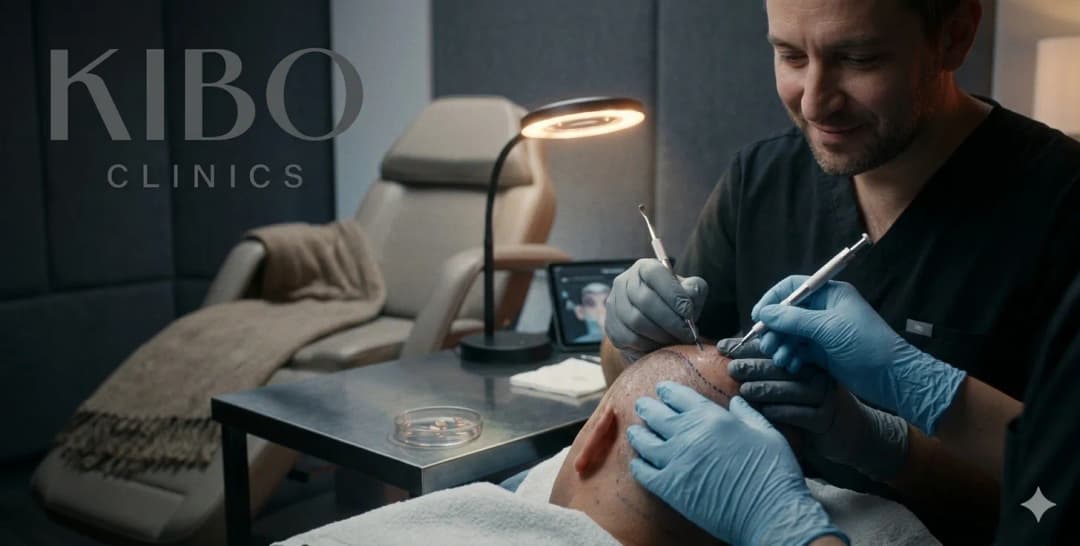
A hair transplant moves hairs from a stronger growing area to an area that is thinning, usually in a clinic setting with local anesthesia to keep you comfortable. Most procedures happen in a treatment room rather than a hospital stay, and the day follows a calm, predictable sequence so you always know what is next. If you are planning your procedure in Mumbai, small details like travel time, humidity, and work schedules can shape an easy day. The goal of this guide is to remove guesswork so you arrive prepared and go home feeling confident about aftercare.
Core Concepts or Decisions
Comfort and local anesthesia
Your team uses medicines to numb the scalp so you stay comfortable while remaining awake. People often describe feeling pressure or touch rather than pain. Procedures can last several hours, so short breaks for water and a light snack are planned into the day.
The day is long because it is detailed
A transplant is more like careful gardening than a quick fix. Photography, planning, hairline design, donor harvesting, sorting of grafts, and precise placement all take time. A typical session can span four to eight hours, sometimes longer for large cases, with a simple lunch break.
There are two main harvest methods
FUE removes individual follicular units from the donor area. FUT removes a narrow strip that is then divided into units under magnification. Your surgeon chooses an approach based on your donor hair, goals, and future planning. The rest of the day feels similar because placement steps are alike in both methods.
Aftercare starts before you leave the clinic
At the end of the day your scalp is cleansed, simple dressings may be placed as advised, and written aftercare is reviewed. Plan gentle rest that evening and follow your spray routine or care routine exactly as you were taught.
Practical Steps or Checklist
Actionable list
• Two days before, wash your hair as usual and avoid styling products on procedure day unless your clinic advises otherwise. • The night before, sleep well and lay out a zip up or button down top so you do not pull clothing over the scalp after the session. • On the morning, eat a normal breakfast unless told otherwise and bring a water bottle, lip balm, and a light snack. • Arrive on time, sign consent forms, and review your plan and photographs with your team. • Confirm medicines, allergies, and any recent illness. • During the session, take scheduled stretch breaks and water breaks. • Before leaving, review aftercare, pick up your sprays or ointments, and confirm the next day check in. • At home, follow the written steps, sleep with the head slightly elevated if advised, and keep a simple log of sprays and any tablets.
Planning for Mumbai Conditions
Mumbai is lively and travel times can vary, so choose a morning slot that fits your commute and arrive a little early to settle in. Warm weather and humidity are normal, so pack a light cotton layer and keep your water intake steady through the day. If you are visiting from another city, book a nearby hotel for the first night so aftercare feels easy and calm. Mention any religious or family commitments in your week so your team helps you set the best washing schedule and workplace plan. A second mention of Mumbai here is simply to remind you that small local choices often make recovery smoother.
Hair Transplant Day, step by step timeline
| Time window | What happens | How it feels | Your role | Reassurance from the team |
| Arrival and check in | Consent, questions, photography, hairline markings | Calm and organised | Share preferences, confirm medicines | Clear plan is repeated back to you |
| Preparation | Donor trim if needed, cleanse, local anesthesia | Stinging for a few moments then numb | Breathe, relax, ask for a short pause if you need it | Numbing is topped up as required |
| Donor harvesting | FUE extractions or FUT strip removal | Pressure and touch, no sharp pain | Stay still, take a water break if scheduled | Pace is steady to protect donor area |
| Graft sorting | Counting and grouping by hair number | No sensation, you may rest | Snack or chat, ask about progress | Team monitors graft hydration constantly |
| Recipient site creation | Tiny sites planned for angle and direction | Tapping sensation, no sharp pain | Stretch break if offered | Design mirrors your natural pattern |
| Placement of grafts | Grafts placed into prepared sites | Time feels unhurried | Enjoy music, follow prompts | Consistent technique supports even growth |
| Wrap up | Cleanse, light dressing if advised, aftercare talk | Relief and pride | Take photos, collect your kit | You receive a written plan and contact number |
*Why this layout helps \
- Seeing the flow reduces uncertainty and helps you anticipate energy levels. The idea is to keep you comfortable while work stays precise. Authoritative sources describe the use of local anesthesia and the multi hour nature of the day.
First week recovery planner
| Day | What you may notice | Simple care | Work and activity | Helpful notes |
| Day one | Tenderness, tightness, mild swelling | Follow your spray schedule, sleep slightly elevated if advised | Rest at home | Keep the scalp clean as taught |
| Day two to three | Pinkness, tiny scabs forming | Gentle misting or washing only as instructed | Light desk tasks from home if comfortable | Do not scratch, avoid heavy exercise |
| Day four to seven | Redness fades, comfort returns | Progress to gentle washing as advised | Some people return to office work later in the week | Follow your written plan exactly |
| Week two | Scabs gone, hair looks tidy again | Normal washing with gentle pressure | Most people resume usual routines | Be patient with appearance changes |
| Month one to three | Early shedding of transplanted hairs can occur | Keep follow up photos on schedule | Normal activities with clinic advice | Shedding is expected before regrowth |
| Month three to six | Early new hairs appear and thicken | Keep a simple hair care routine | Enjoy gradual changes | Final maturation continues after six months |
Guidance from NHS and StatPearls supports the need for gentle early care, time off work for some people, and the normal process of early shedding with regrowth in the following months.
Frequently Asked Questions
How long will my hair transplant take on the day Plan for several hours from arrival to finish. Many sessions are completed within a single day and run four to eight hours depending on the size of the case. Short breaks are built in to keep you comfortable.
Will I feel pain during the procedure Most people stay awake and feel pressure or touch rather than pain because local anesthesia numbs the scalp. Tell your team if you feel anything sharp so they can top up numbing medicine.
How soon can I go back to work Some people do desk work within a few days while others plan a longer break depending on their role and visibility. NHS guidance notes that you may need one to two weeks off work and that early graft care requires extra caution.
When can I wear a cap Your clinic will give specific timing. In general you should avoid anything that rubs the recipient area during the early period while grafts settle. Follow the written aftercare you receive before leaving the clinic.
When can I wash my hair normally You will receive a washing schedule and a gentle product routine. Early on you will mist or dab as taught, and you will return to a normal wash after the first period has passed and your team clears you to do so.
What side effects should I know about Common temporary effects include tenderness, swelling, and numbness that settles. Serious complications are uncommon but possible with any surgery, and this is why clean technique and clear aftercare matter.
When do transplanted hairs start to grow It is normal for transplanted hairs to shed in the first weeks. New hairs usually appear several months later and continue to thicken through the first year.
Is the procedure done in a hospital Most transplants are performed in a clinic or doctor’s office with local anesthesia, and you go home the same day.
Why Kibo Hair Sciences
Kibo Hair Sciences in Mumbai designs your day to feel unhurried and clear. You meet a friendly team that confirms your plan, photographs your scalp in consistent lighting, and maps a hairline that respects your age and styling goals. During the session you get simple prompts and regular stretch breaks. Grafts are handled carefully, and placement follows the natural angle and direction of your hair. Before you leave, you receive written aftercare, a call number, and an easy follow up schedule so the first week feels smooth.
Gentle Call to Action
If this step by step look at hair transplant day helped you picture your own journey, book a friendly consult at Kibo Hair Sciences in Mumbai. We offer flexible timing, a short prep checklist, and clear expectations so you feel ready. Bring your questions, bring your usual hairstyle photos, and we will plan a day that is calm and comfortable from hello to wrap up.
Services
Hair Regrowth Solutions
GFC Therapy | IV Hair Booster | Low-Level Laser Helmet Therapy | Mesotherapy for Hair Regrowth | Microneedling for Hair Regrowth | PDO Threads for Hair Regrowth | PRP Therapy
Hair Transplant Options
Follicular Unit Extraction (FUE) | Sapphire FUE | Body Hair Transplant | Corrective Hair Transplant | Hairline Correction | Unshaven Hair Transplant | Direct Hair Transplant (DHT) | Real Time FUE | Bio FUE
Related Blogs
What to Bring on Hair Transplant Day: Practical Checklist | Self-Care Routines for the First Week After Surgery | Returning to Gym After Hair Transplant: Safe Timeline | Clothing and Accessories for a Comfortable Procedure Day | Simple Trip Planning for Outstation Patients | Touring a Hair Transplant Clinic: What to Observe | Questions to Ask at Your Hair Transplant Consultation | What a Good Hair Transplant Gallery Looks Like | Graft Survival Factors That Influence Outcomes | Shock Loss and Temporary Shedding Explained