
Mesotherapy for Hair Loss: A Deep Dive into the Science and Effectiveness

Mesotherapy for Hair Loss

Published on Mon Dec 22 2025

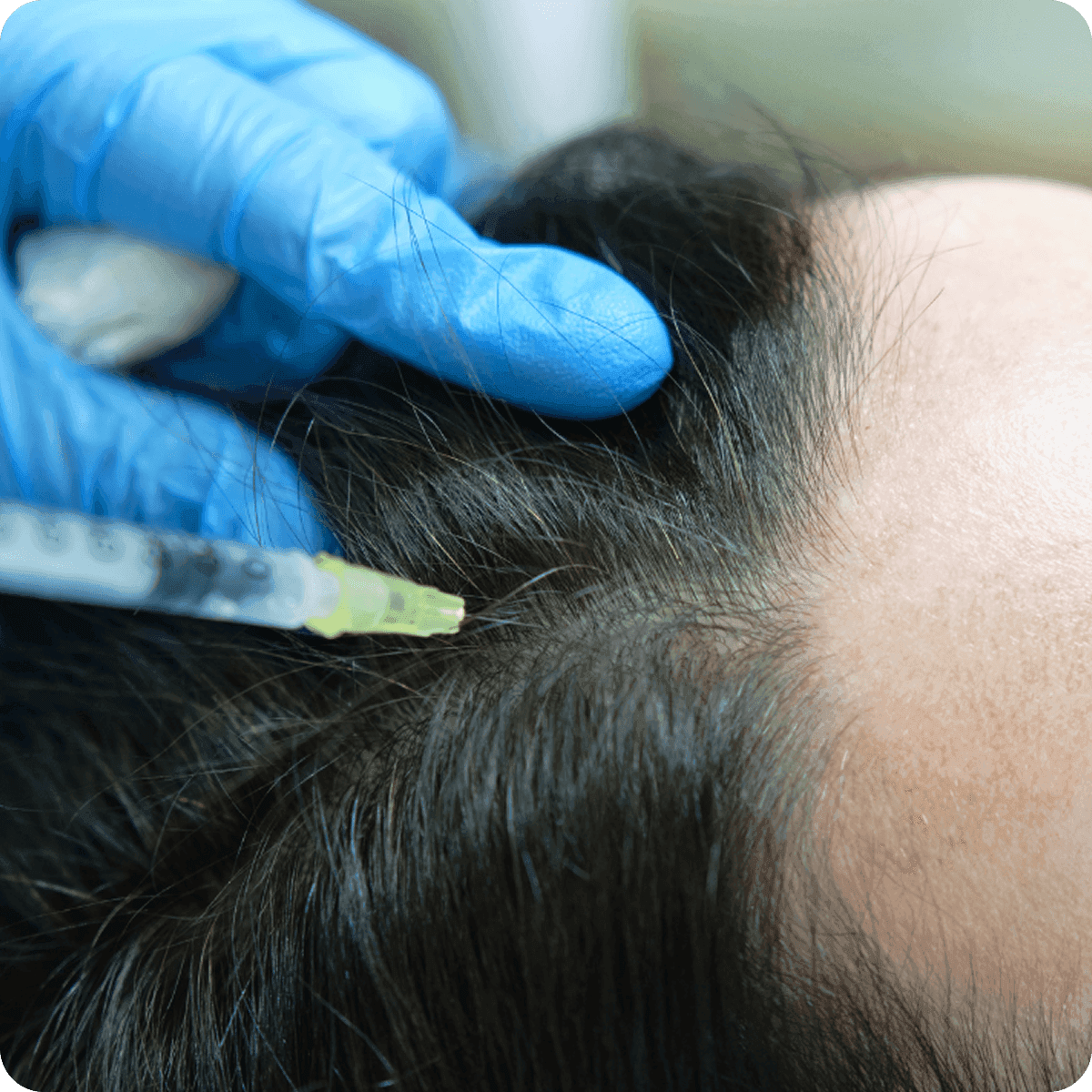
Mesotherapy is a non-surgical, minimally invasive hair loss treatment that targets the root cause of hair thinning and follicle weakening. The procedure involves injecting a specialised blend of vitamins, minerals, peptides, and DHT blockers directly into the scalp. Unlike traditional hair growth solutions like topical applications or oral supplements, mesotherapy delivers active ingredients directly, where needed—into the mesoderm (middle layer of the skin). This ensures better absorption and faster results.

The treatment has gained traction as an effective alternative for individuals experiencing early-stage androgenetic alopecia, stress-induced hair loss, and telogen effluvium. In clinical settings, mesotherapy is often used in combination with other hair restoration treatments like PRP or low-level laser therapy (LLLT) to enhance overall hair density and thickness.

What is Mesotherapy?

Originally developed in France, Mesotherapy was first used for pain management and skin rejuvenation. Over time, its effectiveness in improving scalp circulation and hair follicle nutrition made it a preferred treatment for hair loss. The injectable solution used in mesotherapy is customised based on individual hair loss patterns and underlying conditions.

A typical mesotherapy cocktail may include:

  • Biotin: A key vitamin that strengthens keratin production, crucial for healthy hair growth.

  • Amino acids: Essential for building hair proteins like keratin and collagen.

  • Coenzymes and Peptides: Help activate dormant follicles and stimulate new hair growth.

  • DHT blockers: Reduce the impact of dihydrotestosterone, the primary hormone responsible for androgenetic alopecia.

  • Hyaluronic acid: Hydrates and improves the scalp’s overall condition, creating an ideal environment for follicle health.

  • Caffeine (optional): May improve scalp microcirculation and reduce DHT activity at the follicle level, although clinical evidence is still limited.

  • Glutathione (optional): An antioxidant sometimes added for scalp detox and oxidative stress reduction, though its direct impact on hair growth remains under study.

By addressing multiple causes of hair loss simultaneously—poor blood circulation, hormonal imbalances, and nutrient deficiencies—mesotherapy offers a more comprehensive approach to hair regrowth than many over-the-counter solutions.

How Does Mesotherapy Work?

The procedure involves using a fine-gauge needle to inject the nutrient-rich solution into the scalp at 1-4 mm depth. These microinjections target areas with weaker or miniaturised hair follicles, delivering active ingredients directly into the follicular environment. The mechanism behind mesotherapy’s effectiveness can be broken down into three primary actions:

  1. Increased Blood Circulation: The injections stimulate local blood flow, ensuring hair follicles receive more oxygen and nutrients. This is particularly beneficial for individuals with poor scalp circulation, a common contributor to hair loss.

  2. Follicular Stimulation: The active ingredients promote follicle rejuvenation, preventing further shrinkage and encouraging more substantial, thicker hair growth. Some peptides and coenzymes used in mesotherapy mimic growth factors naturally found in the body, improving follicular activity.

  3. Scalp Rebalancing: For individuals with excessive scalp oiliness or dandruff, mesotherapy can help regulate sebum production and improve overall scalp health, reducing conditions that may contribute to hair thinning.

Mesotherapy sessions are usually spaced 1-2 weeks apart, with visible results appearing after the fourth or fifth session. The number of sessions required varies depending on the severity of hair loss and the individual’s response to treatment.

Mesotherapy vs PRP: Which is Better?

Both mesotherapy and PRP (platelet-rich plasma) therapy are popular non-surgical treatments for hair restoration, but they work through different mechanisms. Understanding their differences can help in choosing the most suitable treatment.

  • PRP (Platelet-Rich Plasma) Therapy: PRP involves extracting a patient’s blood, processing it to concentrate the platelets, and injecting the platelet-rich plasma back into the scalp. Platelets contain growth factors that accelerate tissue repair and stimulate hair follicle regeneration.

  • Mesotherapy: Instead of relying on the patient’s blood, mesotherapy delivers a pre-formulated blend of nutrients, peptides, and DHT blockers to the scalp. This approach is more customised and can target specific deficiencies that may be causing hair loss.

Which is better?

  • Mesotherapy is a great option for early-stage hair loss or thinning because it directly nourishes and strengthens weak follicles before they reach a dormant state.

  • PRP is often more effective for severe hair loss or androgenetic alopecia as it stimulates dormant follicles and promotes tissue repair.

  • Many dermatologists recommend combining both treatments for maximum results, as mesotherapy provides essential nutrients while PRP works at a regenerative level.

Microneedling vs Mesotherapy: Key Differences

Microneedling and mesotherapy are both scalp treatments that improve hair density, but they have different approaches and benefits.

  • Microneedling: Microneedling uses tiny needles to create controlled micro-injuries in the scalp, triggering the body’s natural healing response. This stimulates collagen production and enhances the absorption of topical serums like minoxidil or peptides. It is primarily used to increase follicular blood flow and improve the efficacy of other hair loss treatments.

  • Mesotherapy: Mesotherapy involves direct injection of active ingredients rather than relying on external absorption. Since the nutrients are delivered directly into the scalp, the results are often more targeted and quicker than microneedling.

Which one should you choose?

  • Microneedling is ideal for improving scalp circulation and helping other topical treatments work better.

  • Mesotherapy suits individuals with nutrient deficiencies, DHT-related hair loss, or poor follicular health.

  • In some cases, both treatments are combined—microneedling enhances scalp absorption before mesotherapy injections, leading to improved results.

Mesotherapy for Hair: Before & After Results

Mesotherapy delivers gradual but noticeable improvements in hair health, with visible changes typically occurring after the third or fourth session.

What to expect before mesotherapy:

  • Increased hair shedding, especially in areas with thinning

  • Weak and brittle strands that break easily

  • Visible scalp in areas where hair density has reduced

  • Lack of volume and slow hair growth

Expected results after mesotherapy (3-6 sessions):

  • Reduced hair fall and improved follicle strength

  • Increased hair volume and thickness

  • A healthier scalp with balanced oil production

  • Improvement in density in previously thinning areas

For individuals in the early stages of hair loss, mesotherapy can slow down progression and maintain existing hair. However, in cases of advanced baldness, mesotherapy alone is not enough to regrow hair in completely dormant follicles.

Mesotherapy for Hair Loss: Does It Really Work?

The success of mesotherapy depends on the severity of hair loss, the formulation used, and individual scalp response. While it is not a cure for genetic baldness, it is highly effective for diffuse thinning, telogen effluvium, and stress-induced hair loss.

However, for individuals with advanced androgenetic alopecia, mesotherapy alone may not be sufficient. In such cases, it works best with PRP, medications like minoxidil, or hair transplant to enhance overall results.

PRP vs Mesotherapy for Hair Growth

Mesotherapy and PRP are often compared as non-surgical hair restoration treatments, but they have distinct applications:

  • PRP relies on the patient’s own platelet-rich plasma, which contains high levels of growth factors that aid in tissue repair and follicular stimulation.

  • Mesotherapy uses a cocktail of pre-formulated nutrients and DHT blockers, directly supplying essential compounds to the scalp.

For individuals experiencing early-stage hair thinning, mesotherapy is a practical solution, as it nourishes existing follicles and helps prevent further loss. For those with significant hair miniaturization or dormant follicles, PRP may provide more substantial regenerative effects.

Hair Mesotherapy Side Effects

Mesotherapy is generally well-tolerated, but minor side effects can occur due to the injection process. These may include:

  • Mild scalp redness or swelling

  • Temporary sensitivity or tingling at the injection site

  • Small bruises or micro-wounds, which heal within a few days

  • Scalp itching or mild irritation

These effects usually subside within 24-48 hours. Patients with sensitive skin or allergies should consult a specialist before undergoing mesotherapy to rule out potential reactions to the injected solution.

How Many Mesotherapy Sessions Are Needed for Hair?

The number of sessions required depends on the extent of hair thinning, overall scalp health, and treatment goals. On an average:

  • Mild to moderate hair loss: 4-6 sessions, spaced 1-2 weeks apart

  • Severe hair loss: 8-10 sessions, followed by periodic maintenance

  • Preventative treatment: 3-4 sessions per year to maintain results

While initial improvements appear within the first 3-4 sessions, full results take 3-6 months, and ongoing maintenance is necessary to sustain the benefits.

Mesotherapy Techniques & Types

Needle vs Needle-Free Mesotherapy

Mesotherapy can be performed using either traditional needle injections or needle-free techniques. Both methods aim to deliver active ingredients into the mesoderm layer of the skin, but they differ in application, absorption, and patient comfort.

Needle Mesotherapy is the conventional method where microinjections deposit the treatment solution directly into the scalp or skin. This technique allows for precise placement of nutrients, making it more effective for hair loss and scalp rejuvenation. However, it can cause mild discomfort, redness, or temporary swelling.

Needle-free mesotherapy utilises a pressure-based device to deliver active ingredients into the skin without the need for injections. It is a painless alternative, often preferred by individuals with a low pain threshold. However, the penetration depth is shallower compared to needle mesotherapy, which may reduce effectiveness for conditions requiring deeper absorption, such as androgenetic alopecia.

Electroporation Mesotherapy vs Traditional Mesotherapy

Electroporation mesotherapy is a needle-free technique that uses electrical impulses to create temporary microchannels in the skin, allowing active ingredients to penetrate deeper. This method enhances the absorption of nutrients without causing physical trauma to the skin.

Traditional mesotherapy, on the other hand, relies on injections to deposit nutrients directly into the mesoderm. While it may cause minor discomfort, it ensures more targeted delivery and better retention of the treatment solution.

Electroporation mesotherapy is often chosen for individuals who prefer a non-invasive approach, while traditional mesotherapy remains the gold standard for targeting hair regrowth and other scalp treatments.

Dutasteride Mesotherapy: What It Is & Side Effects

Dutasteride mesotherapy is a specialised androgenetic alopecia treatment that injects dutasteride directly into the scalp. Dutasteride is a 5-alpha reductase inhibitor, which blocks the conversion of testosterone into dihydrotestosterone (DHT), the hormone responsible for hair miniaturisation in male and female pattern baldness.

Unlike oral dutasteride, which affects the entire body and may lead to systemic side effects, mesotherapy allows localised treatment with a lower risk of hormonal imbalances. However, side effects may still include mild scalp irritation, temporary swelling, and in rare cases, slight hormonal fluctuations.

PRP & Mesotherapy Together: Can They Be Combined?

Combining PRP and mesotherapy has become a popular approach in hair restoration. PRP stimulates follicular regeneration by using the patient’s own platelets, while mesotherapy nourishes the scalp with essential vitamins, peptides, and DHT blockers.

This combination offers a dual-action benefit—PRP repairs and strengthens follicles, while mesotherapy provides the necessary nutrients for sustained hair growth. Many dermatologists recommend alternating sessions of PRP and mesotherapy to maximize results, particularly for individuals with progressive hair loss.

Mesotherapy Cost & Side Effects: What You Need to Know

How Much Does Mesotherapy Cost? (India & Global Comparison)

The cost of mesotherapy varies based on location, clinic reputation, expertise of the practitioner, and the type of solution used in the treatment. In India, mesotherapy is more affordable compared to Western countries due to lower operational costs and competitive pricing among dermatologists and trichologists.

Cost in India

  • Per session: ₹3,000 to ₹10,000
  • Package of 6-8 sessions: ₹18,000 to ₹60,000
  • Premium clinics in metro cities like Mumbai, Delhi, and Bangalore may charge upwards of ₹15,000 per session, especially for customized formulations.

Cost in Other Countries

  • USA: $250 - $600 per session
  • UK: £200 - £500 per session
  • UAE: AED 1,000 - 2,500 per session
  • Australia: AUD 350 - 700 per session

Additional costs may arise for pre-treatment consultations, PRP add-ons, or maintenance sessions. The price for needle-free or electroporation-based mesotherapy can also be higher, which requires advanced equipment.

Mesotherapy Side Effects: Risks & Recovery Time

While mesotherapy is generally safe, specific side effects can occur depending on individual sensitivity, injection technique, and the formulation used.

Common side effects:

  • Mild redness and swelling at the injection site
  • Temporary itching or tingling sensation
  • Small bruises that fade in 3-5 days
  • Slight tenderness in the scalp for 24-48 hours

Rare but potential risks:

  • Allergic reactions to certain compounds in the mesotherapy solution
  • Localized infection if post-procedure care is not followed properly
  • Excessive inflammation in cases of sensitive skin
  • Temporary shedding (shock loss), which subsides as hair regrowth begins

The recovery time is minimal, with most side effects resolving within a few days. Patients are advised to avoid harsh shampoos, direct sun exposure, and excessive sweating for at least 48 hours post-treatment.

How Long Does Mesotherapy Last?

The effects of mesotherapy depend on factors like hair loss severity, lifestyle, and maintenance sessions. Typically:

  • Initial improvements appear after 3-4 sessions
  • Full results take 3-6 months
  • Without maintenance, results may last 6-12 months, after which hair thinning may resume
  • Patients with androgenetic alopecia require ongoing maintenance every 4-6 months to sustain results

For long-lasting benefits, mesotherapy is often combined with PRP, minoxidil, or dietary supplements to support follicle health over time.

What to Expect After a Mesotherapy Session?

Patients usually experience mild discomfort, but the procedure itself is quick and requires little downtime.

Immediately after treatment:

  • Slight redness or pinpoint bleeding at injection sites
  • Mild scalp sensitivity that subsides in a few hours
  • Scalp may feel tighter due to the injected solution

Within 24-48 hours:

  • Redness fades, and mild swelling, if present, reduces
  • Patients can resume normal activities, but intense workouts, swimming, and hair treatments should be avoided

Within a few weeks:

  • Hair fall gradually decreases
  • Scalp hydration and texture improve
  • New hair growth may begin in areas with active follicles

Regular sessions help strengthen hair follicles and prevent further thinning.

Mesotherapy Gone Wrong: Risks & Warnings

Although rare, poorly performed mesotherapy can lead to complications. Risks include:

  • Non-sterile injections: Risk of infection and inflammation if done in an unregulated clinic
  • Incorrect injection depth: Too shallow reduces effectiveness; too deep can cause discomfort
  • Wrong formulation: Unregulated clinics may use substandard or unapproved compounds
  • Over-injection in a single session: Can lead to scalp irritation or prolonged swelling

To avoid these risks, mesotherapy should only be done by a licensed dermatologist or trichologist in a reputed clinic that follows medical hygiene standards.

Different Kinds of Mesotherapy Done for Hair Regrowth with Scientific Evidence

Multiple variations of mesotherapy exist, each targeting different aspects of hair loss.

  1. Nutrient-Based Mesotherapy:

    • Uses vitamins, minerals, amino acids, and peptides
    • Improves scalp hydration and nourishes weak follicles
    • Backed by studies showing enhanced follicular activity with biotin and amino acid injections
  2. DHT-Blocking Mesotherapy:

    • Uses finasteride or dutasteride to inhibit the action of DHT
    • Effective for androgenetic alopecia (male and female pattern baldness)
    • Studies suggest that localised DHT blockers have less side effects compared to oral medications.
  3. Hyaluronic Acid-Based Mesotherapy:

    • Focuses on scalp hydration, improving elasticity and follicular anchoring.
    • Often used alongside other mesotherapy solutions for enhanced absorption.
  4. Peptide and Growth Factor Mesotherapy:

    • Uses bioengineered peptides and plant-derived growth factors to stimulate follicle regeneration.
    • Scientific evidence suggests peptide-based solutions extend the anagen phase, improving hair density.

Current Trends in the Market

Mesotherapy has evolved significantly, with technology-driven techniques gaining popularity. Key trends include:

  • Combination therapies: PRP and mesotherapy together for better outcomes

  • Stem cell-infused mesotherapy: Use of exosomes and plant stem cells for follicle rejuvenation

  • Needle-free options: Electroporation and ultrasound-based mesotherapy to improve patient comfort

  • At-home mesotherapy serums: Scalp rollers with peptide-rich serums, though less effective than clinical treatments

Different Devices Used for Mesotherapy

Several devices are used for mesotherapy, each offering varying levels of precision, penetration depth, and comfort.

  1. Mesogun

    • A handheld device that automates mesotherapy injections
    • Ensures uniform depth and reduces procedure time
    • Ideal for professionals treating large areas
  2. Mesoinjector

    • Advanced equipment that controls solution dosage and injection speed
    • Minimises patient discomfort compared to manual injections
    • Used in high-end dermatology clinics for personalised treatments
  3. BD Syringes

    • Traditional method using fine-gauge BD (Becton Dickinson) syringes for manual injections
    • Allows precise delivery of nutrients but can be time-consuming
    • Still widely used for scalp mesotherapy due to its cost-effectiveness

Each device has its advantages, with automated mesogun and mesoinjector improving efficiency and patient comfort, while BD syringes remain the most accessible option.

Mesotherapy Treatment Near You

How to Choose a Trusted Mesotherapy Specialist

Selecting the right mesotherapy specialist is crucial for ensuring safe and effective treatment. Since mesotherapy involves injecting bioactive solutions into the scalp, it requires medical expertise and precision. A trusted specialist should have formal dermatology or trichology training and experience treating different hair loss types.

Factors to consider when choosing a mesotherapy specialist:

  • Look for a certified dermatologist with experience in hair restoration treatments.
  • Check if the specialist has been trained in mesotherapy techniques, including needle and needle-free applications.
  • Verify their track record by checking before-and-after results of previous patients.
  • Ask about the specific mesotherapy formulation they use and whether it is customized based on individual hair loss conditions.
  • Ensure they follow strict hygiene and sterilization protocols to avoid infection risks.

A reliable specialist will also provide a detailed consultation, assessing scalp health, medical history, and possible contraindications before recommending mesotherapy.

How to Choose a Clinic for Mesotherapy?

Choosing the right clinic for mesotherapy is just as important as selecting a specialist. Since mesotherapy requires precision and safety, opting for a well-equipped, medically regulated clinic ensures a better experience and outcome.

Key factors to consider when selecting a mesotherapy clinic:

  • The clinic should have licensed dermatologists or trichologists rather than untrained aestheticians.

  • It should be equipped with advanced mesotherapy devices such as mesogun or mesoinjector for precise application.

  • The clinic should offer sterile conditions and single-use needles to prevent contamination risks.

  • Reviews and ratings should reflect positive patient experiences with minimal side effects.

  • The clinic should provide a customized treatment plan, ensuring that the mesotherapy formula aligns with your hair loss type.

Avoid clinics that promise instant or permanent results, as hair regrowth is a gradual process requiring multiple sessions and ongoing maintenance.

Conclusion & FAQs

Is Mesotherapy Safe?

Mesotherapy is considered a safe treatment when performed by a qualified professional. The risk of serious side effects is low, but minor side effects such as temporary redness, scalp sensitivity, or mild swelling can occur. The key to safety lies in proper injection techniques, sterile conditions, and a well-formulated mesotherapy cocktail tailored to individual needs. Patients with sensitive skin or allergies should discuss potential risks with their dermatologist before treatment.

Who Should Avoid Mesotherapy?

While mesotherapy is generally safe, specific individuals should avoid the treatment due to medical conditions or contraindications. Those who should not undergo mesotherapy include:

  • Pregnant or breastfeeding women due to potential risks from injected solutions.
  • For individuals with autoimmune diseases like lupus or psoriasis, mesotherapy may trigger inflammatory responses.
  • People with bleeding disorders or those on blood thinners, as the injections may cause excessive bruising.
  • Those with active scalp infections or dermatitis could worsen with injections.
  • Individuals with a history of allergic reactions to any ingredients used in mesotherapy solutions.

A thorough medical evaluation by a dermatologist is necessary before proceeding with mesotherapy.

Is Mesotherapy Permanent for Hair?

Mesotherapy is not a permanent solution for hair loss, but it can provide long-lasting results with proper maintenance. Hair regrowth from mesotherapy depends on individual scalp health, hair loss type, and adherence to a treatment schedule. Initial results typically last 6 to 12 months, after which maintenance sessions are required to sustain the effects. Combining mesotherapy with a healthy lifestyle, proper scalp care, and complementary treatments like PRP or minoxidil can help prolong its benefits.

Can Mesotherapy Be Done at Home?

At-home mesotherapy is not recommended due to the complexity of the procedure and the risks associated with improper injections. Some scalp rollers and microneedling devices claim to mimic mesotherapy, but they do not deliver nutrients directly into the mesoderm layer as clinical mesotherapy does. Additionally, home treatments lack medical supervision, increasing the risk of infection, incorrect injection depth, and ineffective results. For safe and effective outcomes, mesotherapy should only be performed by a licensed dermatologist or trichologist.

PRP vs Mesotherapy vs Microneedling: Final Verdict

Each of these treatments offer unique benefits for hair regrowth, and choosing the right one depends on hair loss severity, budget, and personal preferences.

  • PRP uses platelet-rich plasma from the patient’s blood to regenerate hair follicles and stimulate new growth. It is best for androgenetic alopecia and advanced hair thinning, as it directly activates dormant follicles.

  • Mesotherapy delivers vitamins, peptides, and DHT blockers into the scalp, making it ideal for early-stage hair thinning, scalp nourishment, and strengthening weak follicles.

  • Microneedling creates tiny punctures in the scalp to enhance blood circulation and boost the absorption of topical treatments like minoxidil. It is effective for general scalp stimulation but does not provide direct nutrient delivery like mesotherapy.

For early-stage hair loss, mesotherapy is a great standalone treatment. For moderate to severe hair thinning, PRP is often more effective. Microneedling is best used as a complementary treatment rather than a primary hair regrowth solution. Many dermatologists recommend a combination of PRP and mesotherapy to maximise results, especially for individuals experiencing progressive hair loss.

FAQs
Hair transplant procedure can take up to 6-10 hours depending on the number of grafts and extent of the surgery. Gigasessions more than 4000 grafts can take up to 8-12 hours divided over two days for patient convenience.
Hair transplant surgery done by the FUE method is done under local anesthesia. Minimal pain and discomfort is expected during the surgery but it can be managed intraoperatively by using microinjections and vibrating devices. Mild discomfort during recovery is also expected but can be managed with post surgery prescription medications.
Most people can return to work within 7 days but healing takes a minimum of 3 weeks. During this time, scabs and swelling subside and the skin heals completely accepting grafts and making them secure for further growth. However, you might see some initial shedding starting from the first month onwards, the hair growth will start appearing from the 3rd month onwards.. Final results may take 12-18 months to become completely noticeable.
Yes, when performed by experienced surgeons, transplanted hair looks natural and blends seamlessly with existing hair. Your surgeon will decide factors like hairline placement, graft density and angle and direction of the transplanted hair in a detailed discussion before the surgery which will be then imitated to achieve the natural and desirable results.
Hair transplant is generally considered to provide long-term results. However, you may continue to lose non-transplanted hair over time or due to your lifestyle changes, making follow-up treatments necessary for some.
Hair transplants are generally safe, but some risks include minor swelling, bleeding, temporary numbness in the scalp, pain, itching, crusting, rarely infection or shock loss. Most side effects are temporary and usually mild when performed by a qualified surgeon.
Initial shedding of transplanted hair is normal. New growth begins around 3-4 months, with full results visible within 12-18 months.
Call Now

YOUR HAIR JOURNEY STARTS HERE

Mesotherapy for Hair Loss: Science, Benefits & Results