
Article Information
Medically Reviewed By: Kibo Clinics Dermatology & Hair Restoration Team (Board-Certified Dermatologists)
Fact-Checked: Based on publicly available media reports, expert commentary, and surgical literature
Last Updated: April 2026
Reading Time: 16 minutes
Applies To: Men experiencing androgenetic alopecia, athletes considering hair restoration
This article is for educational purposes only and does not replace professional medical advice.
Experiencing unusual hair loss or side effects from a treatment? Our board-certified doctors are here to help.
Talk to a DermatologistVivek was 34, a weekend cricketer and lifelong Dhoni fan. He had watched every World Cup final replay, owned two yellow CSK jerseys, and could imitate the helicopter shot better than anyone in his gully cricket group. But it was not Dhoni's cricket that caught his attention one evening. Scrolling through old IPL highlights from 2018 next to a recent 2024 interview, Vivek noticed something unmistakable. Dhoni's hairline looked completely different. The temples that had clearly receded during his captaincy years now looked sharp and defined. The frontal zone that appeared thin in those tense 2019 semi-final close-ups now had visible density. Vivek looked at his own reflection in the phone screen. The same temples. The same thinning. He had been putting castor oil, trying biotin tablets, and avoiding looking at overhead-angle photos of himself for two years. If Captain Cool could quietly fix it and come out looking better than ever, maybe it was time to stop hiding and start looking for real answers.
If Vivek's story sounds familiar, you are not alone. This article breaks down everything publicly known about MS Dhoni's hair restoration, the techniques likely involved, realistic graft counts and costs, recovery planning for athletes, and the practical lessons that apply to every man considering a hair transplant.
MS Dhoni's Visible Hair Changes: Timeline and Observations
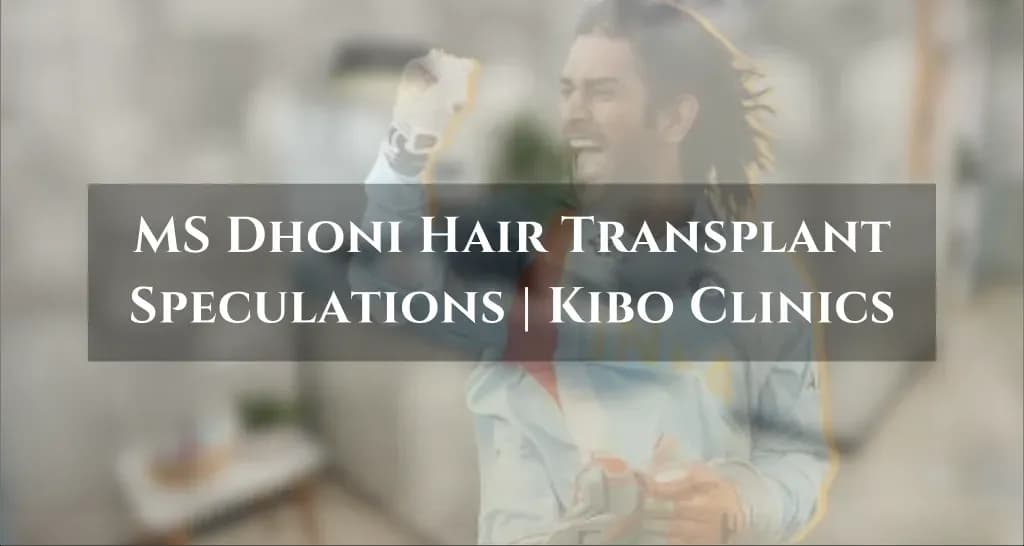
Analysing publicly available photographs from Dhoni's cricket career and post-retirement media appearances reveals a progression pattern typical of androgenetic alopecia followed by apparent restoration. During his peak playing years from 2008 to 2018, multiple photographs show gradual temple recession characteristic of Norwood 2-3 pattern, frontal hairline thinning creating a wider forehead appearance particularly visible in close-up shots during press conferences and match commentary, and crown area maintaining reasonable density suggesting the donor area remained intact for potential future procedures.
Around 2019-2020, during a period when Dhoni had stepped back from international cricket reducing public appearances and match commitments, subsequent photographs began showing noticeably different hairline characteristics. These included restored temple definition with sharper angles replacing previously receded areas, increased frontal density making the hairline appear lower and fuller compared to earlier images, and natural-looking gradation without obvious "pluggy" appearance suggesting skilled surgical technique if restoration had occurred. Dhoni opted for a straight forehead hairline with a zigzag pattern using single follicle grafts, resulting in a natural and dense appearance that complements his face shape well.
These visual changes align with typical hair transplant results timelines where new growth becomes visible months 6-9 post-procedure and achieves mature density by months 12-15, meaning a procedure hypothetically performed during the 2019-2020 off-season would produce the fuller appearance documented in 2020-2021 photographs.
Get a call back to understand your hair loss stage and the best next step from a certified doctor.
Estimated Technique and Graft Count Analysis
Why FUE Was Likely the Chosen Method
If Dhoni underwent hair restoration, multiple factors point toward Follicular Unit Extraction (FUE) as the most probable technique. Photographs from his post-retirement appearances including IPL commentary and promotional events show him with relatively short hairstyles including buzz cuts and fades where any linear FUT scar would be clearly visible, yet no obvious linear scarring appears in publicly available images suggesting a minimal-scar FUE approach. The absence of visible donor scar is consistent with FUE extraction leaving only tiny dot-like marks under 1mm that are virtually invisible with short hair.
FUE also offers faster visible recovery, typically 7-10 days for scabs to shed compared to 14-21 days with FUT, which is crucial for someone maintaining public appearances and media commitments. The technique allows athletes to return to gym and outdoor activities within 10-14 days, important for cricketers maintaining fitness during off-season. For a deeper comparison of available methods, see our guide on DHI vs FUE technique comparison.
Graft Count Estimation Based on Coverage Area
Based on photographic analysis comparing before and after temple and frontal zone coverage, hair restoration analysts estimate Dhoni's procedure likely involved 1,500-2,200 grafts targeting primarily the temples and frontal hairline zone. This conservative approach creates natural-looking density restoration without over-harvesting the donor area, preserves donor reserves for potential future procedures if progressive thinning continues, and produces results that mature gradually over 12-15 months avoiding sudden dramatic transformation that would generate excessive media speculation.
For context, temple restoration typically requires 400-600 grafts per side for Norwood 2-3 recession, frontal zone enhancement needs 600-1,000 grafts for natural density, and conservative planning leaves the donor area intact for staged procedures if needed years later. Understanding factors affecting graft survival explains why conservative planning with a focus on hairline quality over raw graft count matters for long-term results.
Other Indian Cricketers and Hair Restoration
Dhoni is far from the only Indian cricket celebrity addressing hair loss through restoration procedures. Virat Kohli has publicly acknowledged seeking early corrective treatment for hair thinning. Top hair transplant surgeons quoted in national media (Economic Times, 2025) believe Kohli's intervention was subtle and maintenance-focused, helping him maintain long-term density without visible signs of surgery.
Hardik Pandya's hair restoration has been analysed by multiple clinics noting visible hairline improvements from 2021 onward, and Rohit Sharma's hair transplant timeline illustrates how contemporary cricketers address thinning while maintaining active playing careers. Former captains Sourav Ganguly and Virender Sehwag have also been featured in celebrity transplant analyses, along with Gautam Gambhir. This illustrates that hair restoration has become routine consideration rather than exceptional choice among athletes whose appearance impacts professional brand value and post-retirement career opportunities in commentary, coaching, and endorsements.
Why Athletes Face Unique Hair Loss Pressures
Helmet Friction and Traction Stress
Cricketers wearing helmets during batting and wicketkeeping create chronic friction against the frontal hairline and crown areas, similar to helmet-induced hairline damage observed in motorcyclists. Hours of daily practice and match play with equipment pressing against the same scalp zones accelerates mechanical hair breakage and can worsen genetic thinning patterns. Post-transplant, athletes need specific guidance on when to safely resume helmet use after surgery.
Prolonged Sun Exposure
Day-long cricket matches expose players to intense UV radiation damaging hair follicles and scalp tissue over years of outdoor play. India's tropical climate with high UV index particularly during summer months creates conditions where sun exposure affects hair texture and stress tolerance, potentially accelerating androgenetic alopecia in genetically predisposed individuals. Proper summer scalp sunburn protection is critical for both active players and post-transplant patients.
Travel Stress and Performance Pressure
International cricket involves constant travel across time zones disrupting sleep patterns and circadian rhythms, irregular meal timing affecting follicle health, and chronic performance stress elevating cortisol levels linked to telogen effluvium and accelerated shedding. Dhoni, as captain of the Indian team through some of its most high-pressure campaigns, carried leadership stress that sports psychologists have linked directly to physical manifestations including hair loss. These lifestyle factors compound genetic hair loss, creating faster progression than sedentary individuals might experience.
Public Scrutiny and Image Pressure
Unlike regular individuals who can address hair loss privately, cricket celebrities face constant photographic documentation creating permanent visual records of every progression stage, social media commentary and speculation about appearance changes, and professional pressure where youthful appearance directly correlates with endorsement opportunities and media roles post-retirement. Understanding hairstyles that minimise stress on follicles helps public figures maintain results while managing professional requirements.
Timing Hair Restoration Around Cricket Schedules
Professional cricketers planning restoration must coordinate around competitive calendars. Optimal windows include the post-IPL season (typically May-June) providing 6-8 weeks before next domestic commitments, post-World Cup or major tournament windows offering 4-6 weeks for initial healing, and off-season breaks in December-January although these often coincide with social events where visible scabs would be problematic. Dhoni's case reportedly coincided with the COVID-19 lockdown period, which offered an unusually extended private recovery window without public appearances or match commitments.
Understanding realistic healing and recovery timelines helps athletes schedule media commitments appropriately. Days 1-7 bring visible scabs and potential forehead swelling making professional photography inadvisable. Days 7-14 see scabs shedding but residual redness requiring strategic lighting for television appearances. Days 14-21 show mostly resolved visible signs allowing normal public appearances with minor concealer if needed. Weeks 3-4 permit return to all activities including match play without restrictions. Learning about proper care the week before and after transplant optimises healing quality. The ugly duckling phase where transplanted hairs shed before regrowing can be emotionally challenging but is completely normal.
What Regular Patients Can Learn From Celebrity Cases
Conservative planning produces natural results. Dhoni's apparent restoration shows moderation rather than aggression. The estimated 1,500-2,200 graft count created visible improvement without attempting to replicate teenage density or create an unnaturally low hairline that would look artificial in close-up photography. Regular patients benefit from understanding that moderate early interventions often produce more natural-looking results than aggressive over-correction attempts.
Donor area preservation matters long-term. Conservative extraction preserves donor reserves for potential future procedures if progressive thinning continues over decades. Athletes in their 30s addressing early-stage recession understand they may need additional grafts in their 40s or 50s, making sustainable donor management crucial. A good surgeon will discuss long-term maintenance planning from the first consultation.
Technique must match lifestyle. Dhoni's preference for shorter hairstyles in recent years means FUE was the logical choice avoiding visible linear scarring. Regular patients should similarly evaluate their styling preferences, professional requirements, and activity levels when choosing the best hair transplant technique for their situation.
Native hair continues thinning without maintenance. Transplanted hair is DHT-resistant and permanent, but existing non-transplanted hair can continue thinning over time. Many surgeons recommend complementary treatments such as finasteride after transplant or PRP therapy to protect native hair. One interesting observation about Dhoni's case is the contrast between newly transplanted black hairs and naturally greying hairs in the donor area, which he manages by wearing longer hairstyles and experimenting with hair colouring to blend the transition.
Patience is non-negotiable. Full hair transplant results take 9-12 months, with some patients seeing continued improvement up to 18 months. Judging results during the month 1-3 shock loss shedding phase is misleading. Tracking progress with monthly photos gives an accurate picture of improvement that daily mirror checks cannot.
Cost Considerations: Celebrity vs Regular Cases
Celebrity hair transplants typically cost significantly more than standard procedures due to dedicated private consultation rooms ensuring no overlap with other patients, senior surgeon personal involvement throughout rather than delegation to technicians, enhanced confidentiality protocols including non-disclosure agreements, and flexible scheduling around professional commitments.
While regular FUE procedures in Mumbai might range 40-80 rupees per graft for 2,000 grafts totalling approximately 80,000-1,60,000 rupees, celebrity cases often command 100-150+ rupees per graft or flat fees of 3-5 lakhs+ for comparable graft counts. For a detailed city-specific breakdown, see our guide on hair transplant cost in Mumbai. Regular patients receive identical surgical technique and outcomes when choosing experienced surgeons at reputable clinics. Always ask for a transparent, written quote detailing all inclusions. The price difference reflects privacy accommodations and scheduling flexibility rather than fundamental quality variations in hair transplant cost across India.
Choosing the Right Clinic for Your Hair Transplant
Celebrity transformations inspire confidence in hair transplantation, but the quality of your outcome depends entirely on the clinic and surgeon you choose. Look for a hair transplant clinic where the consulting dermatologist personally performs every extraction and graft placement rather than delegating to technicians. Review before-and-after photos of real patients to evaluate hairline artistry and density. Be wary of hair mill red flags such as unusually low pricing, assembly-line surgery, or pressure tactics during your first consultation. A good clinic will discuss natural hairline design principles and set realistic expectations honestly, including what a transplant cannot achieve for your specific situation.
Frequently Asked Questions
Did MS Dhoni actually undergo a hair transplant?
MS Dhoni has never publicly confirmed undergoing a hair transplant, and no official statement from him or his representatives exists. However, hair restoration analysts and multiple clinics have documented visible changes in his hairline between approximately 2019 and 2021 showing restored temple definition and increased frontal density. These observations remain speculative analysis based on publicly available photographs. This guide uses Dhoni's case as an illustrative example of how public figures might approach hair restoration planning.
What technique did MS Dhoni likely use?
Based on photographic analysis showing Dhoni with short hairstyles including buzz cuts without visible linear donor scarring, most analysts speculate FUE (Follicular Unit Extraction) was the likely technique, possibly combined with implanter-based placement for precise frontal zone density. FUE leaves tiny dot-like extraction scars under 1mm that are virtually invisible even with very short hair, and offers faster recovery of 7-10 days important for maintaining public commitments.
How many grafts did MS Dhoni's hair transplant involve?
No official graft count exists. Expert estimates range from 1,500 to 2,200 grafts based on photographic comparison of before-and-after temple and frontal zone coverage. Some analyses suggest as few as 1,500 grafts were sufficient given his excellent donor area quality and limited coverage area. This conservative range aligns with typical temple restoration (400-600 grafts per side) plus frontal zone enhancement (600-1,000 grafts).
Which other Indian cricketers have undergone hair transplants?
Several India...
Medical Disclaimer : Information from Kibo Hair Clinics is for educational purposes only. It does not replace diagnosis, trichoscopy, blood test interpretation, prescription treatment, procedure advice, or side-effect counselling from a qualified dermatologist or hair restoration doctor.