
The Role of Zinc in Preventing Premature Graying
Published on Wed Mar 18 2026
Vikram noticed gray hairs at 28 and started taking zinc supplements after reading that deficiency causes premature graying. "I've been taking zinc for six months," he reported, "but the gray hairs keep appearing. Does zinc actually help prevent graying, or did I waste money on supplements?" Understanding what causes premature graying and zinc's limited role helps set realistic expectations about nutritional approaches.
What Actually Causes Hair to Turn Gray
Hair graying occurs when melanocytes, the pigment-producing cells in hair follicles, gradually decline in function and eventually stop producing melanin entirely. Genetics primarily determine when this process starts, with some people graying in their twenties while others maintain color into their sixties or beyond. Oxidative stress accumulates in hair follicles over time, damaging melanocytes and contributing to graying.
Some medical conditions can accelerate graying, including thyroid disorders and vitamin B12 deficiency, though these represent uncommon causes compared to genetic timing. Extreme stress may trigger temporary graying through telogen effluvium mechanisms, though evidence for stress causing permanent color loss remains limited. Smoking accelerates graying through oxidative damage, with smokers graying earlier than non-smokers on average.
For Vikram, family history showed his father and grandfather both grayed significantly in their late twenties, suggesting his graying reflected genetic timing rather than correctable deficiency.
Zinc's Actual Role in Hair Health
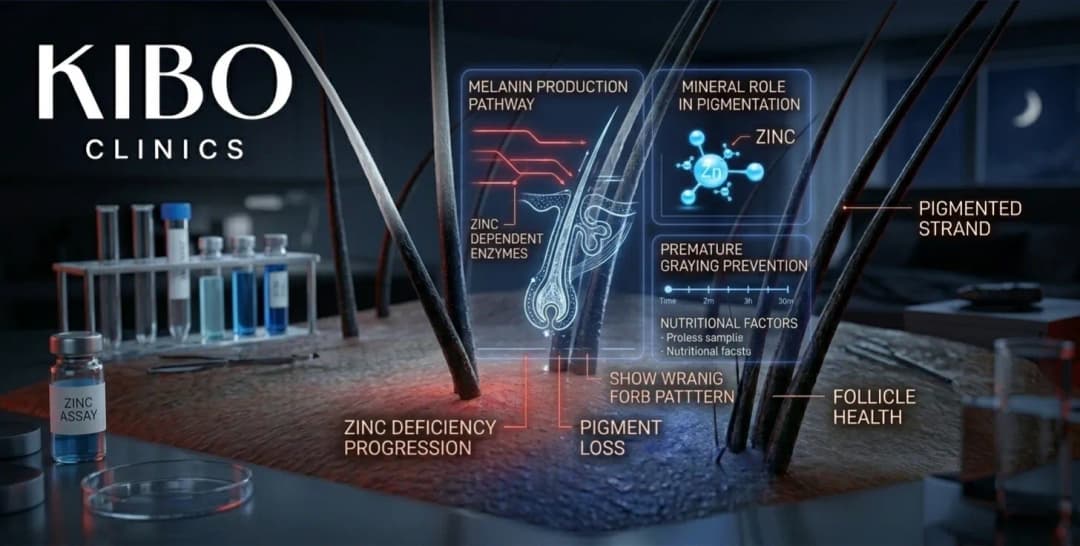
Zinc supports various enzymatic processes including those involved in hair follicle function and protein synthesis. Severe zinc deficiency can cause hair loss and potentially affect pigmentation, but this level of deficiency is rare in people eating varied diets. The amount of zinc in typical diets usually meets hair health needs without supplementation.
No strong evidence supports that zinc supplementation prevents or reverses graying in people without documented zinc deficiency. The melanocyte decline causing graying isn't primarily driven by zinc availability, so adding more zinc doesn't restore melanin production once genetically programmed decline begins.
Excessive zinc supplementation can actually cause problems including copper deficiency, immune dysfunction, and gastrointestinal issues, making unnecessary supplementation potentially harmful rather than just ineffective.
Other Nutrients and Graying Claims
Copper supports melanin production, and severe deficiency can contribute to premature graying, but again, deficiency sufficient to cause graying is uncommon. B vitamins, particularly B12, affect hair health, with severe deficiency potentially causing color loss, though correcting deficiency may not restore color once hair has grayed. Catalase and other antioxidants are promoted for preventing graying, but evidence supporting their effectiveness remains very limited.
The supplement industry heavily markets anti-graying products containing various vitamins and minerals, but objective evidence for effectiveness is sparse. Most "success stories" reflect either coincidental timing, misattribution of natural variation, or placebo effects rather than actual color restoration.
What Actually Helps vs What Doesn't
If you have documented nutritional deficiency affecting hair, correcting it may help if graying is truly deficiency-related rather than genetic timing. Addressing thyroid disorders or other medical conditions that can accelerate graying may slow progression if caught early. Reducing oxidative stress through not smoking and general health maintenance might marginally affect graying speed.
However, genetic graying cannot be prevented or reversed through nutrition once melanocyte decline begins. Hair dye remains the only reliably effective approach for addressing unwanted gray hair. Accepting graying as normal aging or styling it attractively often provides better quality of life than pursuing ineffective preventive measures.
For Vikram, blood work showed normal zinc levels, confirming supplementation wouldn't help his situation. We discussed that his graying reflected genetic timing that no supplement would change, and explored whether he wanted to embrace the gray, dye it, or investigate hair restoration options if graying coincided with thinning concerns.
Frequently Asked Questions
Can lifestyle changes prevent hair loss?
Lifestyle modifications can slow progression and improve overall hair health, but genetic pattern baldness requires medical or surgical intervention.
How do I know if my hair loss is temporary?
Temporary shedding from stress, nutrition, or medication typically resolves within 6-9 months, while pattern baldness progresses steadily over years.
What vitamin deficiencies cause hair loss?
Iron, vitamin D, vitamin B12, and zinc deficiencies can contribute to hair thinning, though correction only helps if deficiency exists.
Should I use special shampoos for hair loss?
Medicated shampoos help scalp health but dont treat underlying hair loss. Focus on proven treatments like minoxidil or finasteride for actual regrowth.
How often should I wash thinning hair?
Wash as needed based on oil production, typically every 2-3 days. Washing frequency doesnt affect hair loss despite common myths.
Can stress cause permanent hair loss?
Acute stress triggers temporary shedding that resolves naturally. Chronic stress may accelerate genetic hair loss but doesnt solely cause permanent baldness.
Do hair growth supplements actually work?
Supplements only help if you have documented nutritional deficiency. For people with adequate nutrition, supplements provide minimal benefit.
Is thinning hair a sign of health problems?
Sometimes. Sudden significant shedding warrants blood work to check thyroid, iron, and other markers, though most hair loss is genetic.
What foods are best for hair health?
Protein-rich foods, iron sources like lean meat and spinach, and foods with zinc and biotin support hair health, but diet alone wont reverse genetic baldness.
Why Kibo Clinics
At Kibo Clinics, we provide honest guidance about what hair concerns can be addressed versus what reflects unchangeable biology. Our planning-first philosophy includes helping you invest time and money in interventions that actually work for your documented issues rather than pursuing supplements or treatments based on marketing claims. We focus on evidence-based solutions whether you're addressing graying, thinning, or other hair concerns.
Disclaimer: This blog is for informational purposes only. Consult qualified healthcare providers for personalized medical advice.
Hair Regrowth Services
Body Hair Transplant | Unshaven Hair Transplant | Fue Hair Transplant | Corrective Hair Transplant | Direct Hair Transplant Dht | Pdo Threads Hair Regrowth
Must Read
How To Track Hair Growth Progress With Monthly Photos | Hair Transplant Cheaper In Nashik Reality Check | Hairline Density Illusion Techniques | Hair Loss Types Symptoms Causes | How Seasonal Weather Affects Hair Shedding | Nashik To Mumbai Hair Transplant
Relevant Blogs
What Is Included In A Transparent Hair Transplant Quote | Straight And Curly Hair Transplant Results | Hair Transplant Safety Myths Facts | Norwood Scale | High Volume Hair Transplant Clinics Predictable Results | Cost Of Hair Transplant In Ahmedabad | Cost Of Hair Transplant In Guwahati