
Can Frequent Washing Cause Hair to Fall Out?
Published on Wed Mar 18 2026
Shruti avoided washing her hair for weeks at a time, terrified of losing more strands. "Every time I shampoo, the drain is full of hair," she explained. "If I wash less, maybe I'll lose less." This fear-driven behavior actually worsened her scalp health while doing nothing to prevent natural hair cycling.
The truth is simple: washing doesn't cause hair loss; it reveals hair that was already in the shedding phase. Understanding the hair growth cycle eliminates unnecessary anxiety about normal shedding during washing. Most healthy individuals naturally shed 50-100 hairs daily regardless of washing frequency.
Why Washing Seems to Cause Loss
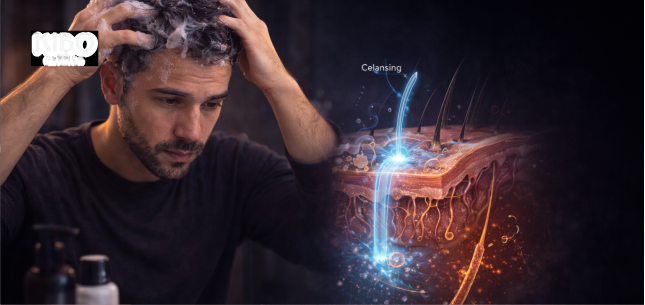
During washing, loose hairs in the shedding phase are physically dislodged and become visible in the drain. Between washes, these same hairs fall out gradually throughout the day, landing on pillows, clothes, and floors where you might not notice them as dramatically. Washing concentrates this natural shedding into one visible event, creating the illusion that washing caused the loss.
When Shruti extended time between washes, shed hairs accumulated in her scalp. Her next wash released days worth of naturally shed hair simultaneously, creating even more alarming drain clogs that reinforced her fear. Frequent gentle washing actually reduces per-wash shedding by removing hairs in the shedding phase before they accumulate.
When Washing Actually Helps Hair Health
Regular washing removes oil, dirt, and product buildup that can clog follicles and create scalp irritation. Clean scalp environment supports healthier follicle function compared to prolonged buildup. Gentle massage during washing stimulates circulation, potentially supporting follicle health. Understanding protective hair care practices helps you wash effectively without causing mechanical damage.
Frequently Asked Questions
Can lifestyle changes prevent hair loss?
Lifestyle modifications can slow progression and improve overall hair health, but genetic pattern baldness requires medical or surgical intervention.
How do I know if my hair loss is temporary?
Temporary shedding from stress, nutrition, or medication typically resolves within 6-9 months, while pattern baldness progresses steadily over years.
What vitamin deficiencies cause hair loss?
Iron, vitamin D, vitamin B12, and zinc deficiencies can contribute to hair thinning, though correction only helps if deficiency exists.
Should I use special shampoos for hair loss?
Medicated shampoos help scalp health but dont treat underlying hair loss. Focus on proven treatments like minoxidil or finasteride for actual regrowth.
How often should I wash thinning hair?
Wash as needed based on oil production, typically every 2-3 days. Washing frequency doesnt affect hair loss despite common myths.
Can stress cause permanent hair loss?
Acute stress triggers temporary shedding that resolves naturally. Chronic stress may accelerate genetic hair loss but doesnt solely cause permanent baldness.
Do hair growth supplements actually work?
Supplements only help if you have documented nutritional deficiency. For people with adequate nutrition, supplements provide minimal benefit.
Is thinning hair a sign of health problems?
Sometimes. Sudden significant shedding warrants blood work to check thyroid, iron, and other markers, though most hair loss is genetic.
What foods are best for hair health?
Protein-rich foods, iron sources like lean meat and spinach, and foods with zinc and biotin support hair health, but diet alone wont reverse genetic baldness.
Why Kibo Clinics
At Kibo Clinics, we help patients distinguish between normal shedding and actual hair loss requiring treatment. Our planning-first philosophy includes education about natural hair cycles so you don't develop anxiety-driven behaviors that worsen scalp health. We provide evidence-based guidance that empowers confident hair care decisions.
Disclaimer: This blog is for informational purposes only. Excessive shedding may indicate underlying issues requiring professional evaluation.
Hair Regrowth Services
Body Hair Transplant | Corrective Hair Transplant | Mesotherapy For Hair Regrowth | Iv Hair Boosters | Sapphire Fue Hair Transplant | Pdo Threads Hair Regrowth
Must Read
Hide Hair Transplant Ugly Duckling Phase | Does Surgeon Experience Matter Hair Transplant | Best Hair Transplant Option For Nashik | Clothing And Accessories For A Comfortable Hair Transplant Day | Nashik To Mumbai Hair Transplant Worth It | Virat Kohli Hair Transplant Cricketers Hair Transplant Guide
Relevant Blogs
Bht For Grade Six Seven Baldness Extending Donor Options | Best Hair Transplant In Ghatkopar | Self Care Routines For The First Week After A Hair Transplant | Your First Hair Transplant Consultation What To Prepare And Expect | Cost Of Hair Transplant In Jaipur | Complete Checklist To Compare Two Hair Transplant Quotes | Pre Surgery Checklist Nashik Hair Transplant