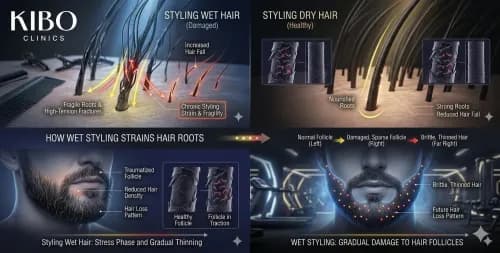
A science-based guide to why wet hair is structurally weaker than dry hair covering hydrogen bonds, cuticle lifting, root traction damage, the worst post-shower habits, and exactly how to handle wet hair to prevent breakage and follicle stress.
Thu Jul 16 2026 – 5 min read
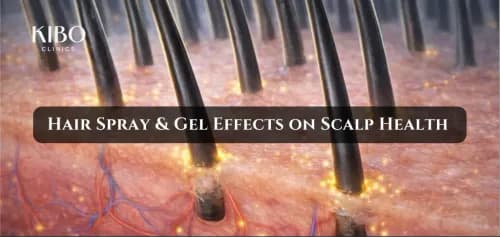
This guide debunks the oxygen myth, explains the three ways buildup actually damages follicles, and gives practical clarifying and application strategies that let you keep styling without damaging your scalp.
Tue Mar 31 2026 – 5 min read
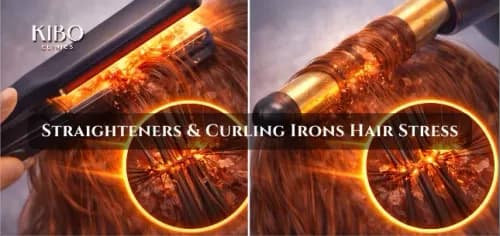
Straighteners and curling irons apply direct contact heat at 150 to 230 degrees Celsius instantly transferring heat through the cuticle into the cortex and denaturing structural proteins with every clamping session.
Fri Jul 17 2026 – 5 min read
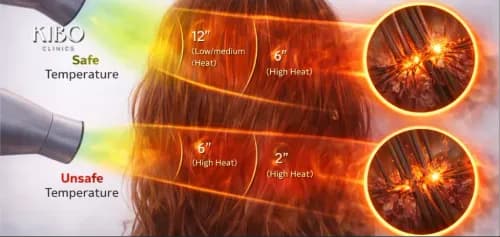
When you blow dry your hair, you are not just applying heat to the hair shaft. You are also directing hot air at your scalp and the follicles beneath the skin surface. Most people focus on preventing heat damage to the visible hair, but the thermal exposure your follicles experience during blow drying can create stress that affects hair production over time. Hair dryers operate at temperatures ranging from 80 to 140 degrees Celsius at the nozzle.
Tue Jun 09 2026 – 5 min read
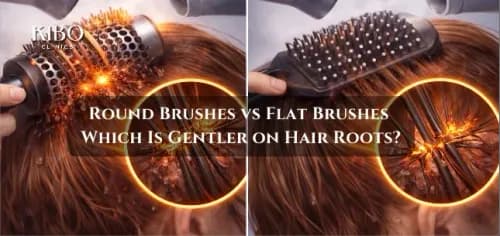
This guide compares the damage profiles of both brush types in detail, explains what is actually happening at the follicle during each styling session, and gives practical technique changes that reduce hair fall
Tue Mar 31 2026 – 5 min read
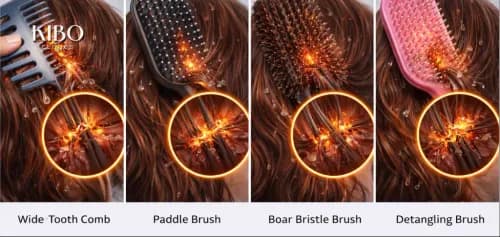
The brush or comb you use every day creates a specific and repeatable pattern of mechanical stress on your scalp and follicles.
Tue Mar 31 2026 – 5 min read
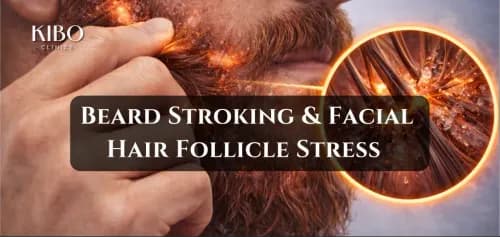
Stroking your beard does not make it grow faster - that is a common myth with no evidence behind it. What repeated stroking, twisting, and tugging actually does is create cumulative mechanical stress on facial hair follicles. Beard follicles sit at a shallower angle than scalp follicles, making them more vulnerable to traction damage.
Thu Apr 23 2026 – 5 min read

Glasses do not cause pattern baldness. But if you wear them 10 or more hours a day, the frame arms press against the same narrow band of follicles at your temples every single day. Over months and years, this sustained pressure reduces blood flow to those follicles, and the repeated friction of putting glasses on and off damages the hair shafts in the contact zone.
Mon Apr 20 2026 – 5 min read

Touching, twirling, or pulling your hair dozens of times a day creates cumulative mechanical stress that causes concentrated breakage and thinning exactly where you fidget most.
Tue Mar 31 2026 – 5 min read

This guide explains the exact mechanism behind sweating and hair loss during exercise, the early warning signs most active people miss, and the practical post-workout habits that stop new damage within weeks.
Tue Mar 31 2026 – 5 min read
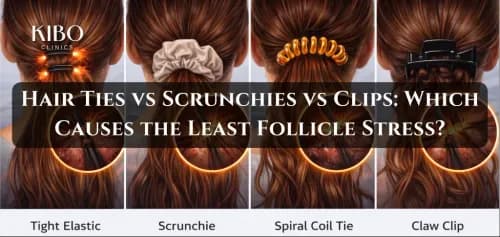
The way you tie your hair matters more than you think. A tight elastic band wrapped around the same section of hair every day creates a concentrated zone of tension, friction, and breakage that can turn into visible thinning over months and years. A scrunchie distributes that same hold across a wider surface area with softer material, reducing the peak stress on any single follicle by 60 to 70 percent.
Tue Jul 21 2026 – 5 min read
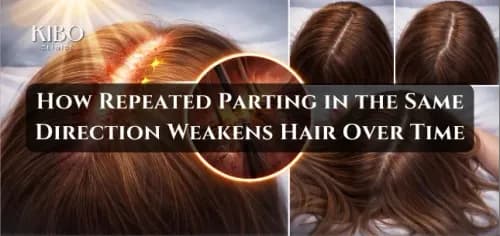
Parting your hair in the same place every day exposes one strip of scalp to years of UV damage and mechanical tension causing a thinning part line that most people mistake for genetic hair loss.
Tue Mar 31 2026 – 5 min read

The way you sleep directly affects how much friction damage your hair accumulates every single night. If you sleep on your back with your head in one position for six to eight hours, the back of your head presses into the pillow creating constant friction at the occipital region and crown. If you sleep on your side, the friction concentrates on the temple and the side of your hairline where your head meets the pillow.
Fri Mar 27 2026 – 5 min read

If you commute with long hair and a backpack, your straps are most likely pulling, snagging, and snapping your hair every single day without you realising it. The damage happens at the point where your hair meets the strap across your shoulder, upper back, or neck. It is a form of mechanical hair breakage where repeated traction and friction combine to weaken the hair shaft in the same spot over and over again. You will not notice it immediately. But over weeks and months, you start seeing shorter broken hairs at that specific contact point, increased shedding after taking your bag off, and a thinning appearance along the sides and back of your hair that does not match the rest. The fix is simpler than you think, but first you need to understand exactly what is going on.
Fri Mar 27 2026 – 5 min read
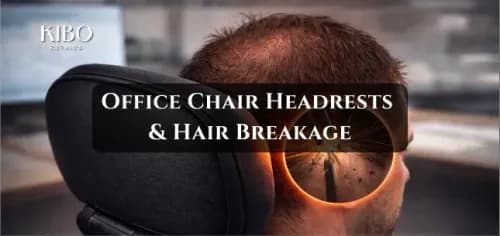
Office chair headrests cause a form of mechanical hair damage called friction-induced breakage. This damage affects the hair shafts at the back of the head where repeated contact occurs across an eight-plus-hour workday. Unlike hormonal hair loss, this damage is purely physical. The headrest surface lifts and abrades the hair's outer cuticle layer through thousands of micro-friction events daily, eventually snapping the shaft.
Sun Mar 22 2026 – 5 min read
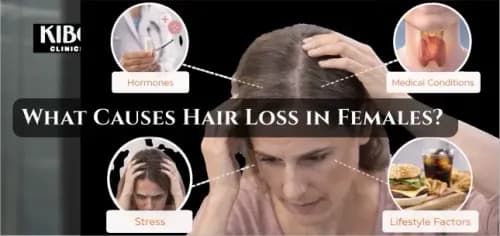
Female hair loss is rarely random. It's usually your body signaling that something is off hormones, nutrition, stress levels, or scalp health. The most common culprits are hormonal imbalances (PCOS, thyroid issues, postpartum changes), nutritional deficiencies (especially iron and vitamin D), and stress-related shedding. The good news? Many causes are reversible if caught early. But genetic thinning is progressive and needs a different approach. Understanding what's driving your hair loss is the first step to knowing what will actually help.
Mon Mar 23 2026 – 5 min read

How daily helmet and headgear use creates follicle stress through pressure, friction, and heat who is most at risk, what to do about it, and what it means for hair transplant recovery.
Thu Apr 09 2026 – 5 min read
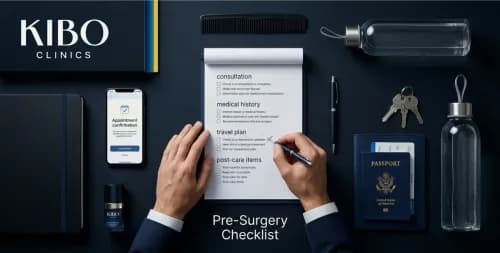
Step-by-step preparation guide for Nashik patients traveling to Mumbai for hair transplant. Covers medical tests, medications to stop, travel planning, what to pack, and procedure day expectations.
Mon Apr 13 2026 – 5 min read

For outstation patients, deciding how to travel after a hair transplant is not just a logistics question. The choice between train, car, or flight affects comfort, swelling, posture, fatigue, and peace of mind during early recovery. This guide explains when it is safe to travel, compares each travel option in detail, and helps patients choose the best mode based on recovery stage rather than convenience alone.
Sun Mar 22 2026 – 5 min read
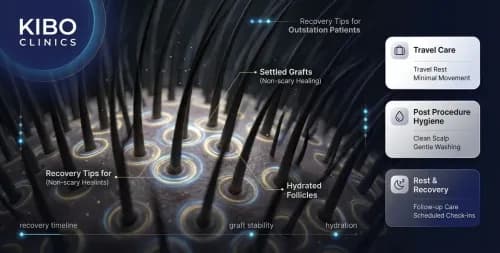
For outstation patients returning home after a hair transplant, recovery is not a passive waiting period. The days and weeks after travel directly influence graft survival, comfort, and long-term outcomes. This guide explains how to manage recovery once you are back home, what is normal, what requires attention, and how structured follow-up support plays a critical role in ensuring predictable healing.
Sun Mar 22 2026 – 5 min read

Many Nashik patients delay hair transplants due to fears about travel, pain, recovery, and costs. This guide addresses each concern with evidence-based answers to help patients make confident decisions.
Mon Apr 13 2026 – 5 min read

Nashik patients travelling to Mumbai for a hair transplant often underestimate how important the first few days after surgery are. Staying the right number of days is not about convenience or hotel bookings. It directly affects graft safety, swelling control, early recovery quality, and peace of mind. This guide explains how many days you should stay in Mumbai, what happens on each recovery day, and how to plan your return to Nashik without compromising long term results.
Sun Mar 22 2026 – 5 min read

Nashik patients worry about traveling after hair transplant in Mumbai. This guide covers graft safety during travel, when doctors clear patients, journey precautions, and remote recovery support after returning home.
Mon Apr 13 2026 – 5 min read

Many Nashik patients filter clinics by proximity, missing surgeon experience, donor planning, and graft handling quality. This guide explains what distance-based decisions overlook and how to evaluate clinics on outcome predictability.
Mon Apr 13 2026 – 5 min read
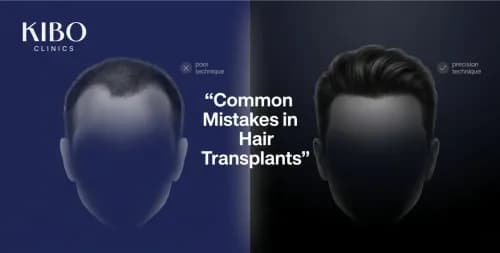
Choosing a nearby hair transplant clinic often feels like the easiest decision. Short travel, quick consultations, and lower upfront quotes can appear convenient. However, many patients later realise that proximity alone does not guarantee safety, natural results, or long term satisfaction. This guide breaks down the most common hair transplant mistakes patients make when selecting nearby clinics, explains how these errors affect outcomes, and helps you understand what truly matters when choosing the right centre for a life changing procedure
Mon Mar 23 2026 – 5 min read
YOUR HAIR JOURNEY STARTS HERE