
The Connection Between Gut Health and Hair Density
Published on Sat Apr 11 2026
A bloated stomach, irregular digestion, and sudden hair thinning often feel like separate problems. But your gut and your hair are deeply connected. Poor gut health can reduce nutrient absorption, trigger inflammation, and disrupt hormones—directly affecting hair density and growth cycles.
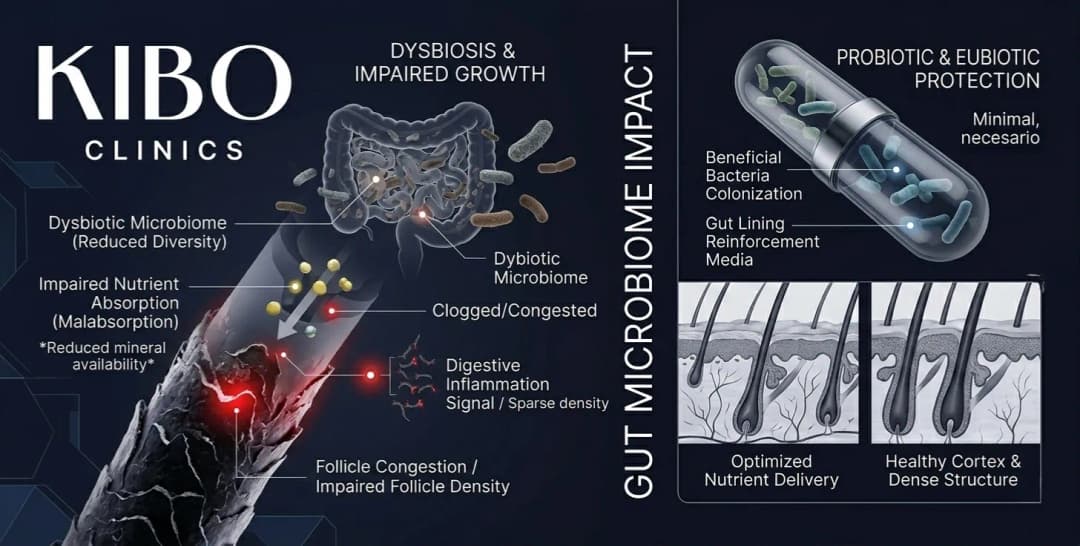
Hair follicles are among the fastest-growing cells in the body. They need steady nutrition, balanced hormones, and low inflammation to function well. When the gut lining is irritated or the microbiome is imbalanced, your body struggles to absorb iron, protein, zinc, and vitamins essential for strong hair. Over time, this can lead to increased shedding, thinning, or slow regrowth.
A Story Many People Don’t Connect
Ritika, 32, from Bengaluru, noticed hair thinning around her parting line. She blamed stress and changed shampoos multiple times. Nothing worked.
At the same time, she had frequent bloating and constipation. She ignored it, thinking it was just “outside food.” Over eight months, her hair density reduced, especially near the crown.
When she finally addressed her digestion through dietary correction and medical guidance, her shedding reduced within three months. The improvement was gradual, but noticeable. Her case reflects what many people miss—the scalp is often a mirror of internal health.
How Does Gut Health Affect Hair Follicles?
The connection follows a simple pathway: digestion → nutrient absorption → bloodstream delivery → follicle performance.
When the gut lining is healthy, it absorbs proteins, iron, biotin, zinc, omega-3 fatty acids, and B vitamins efficiently. These nutrients feed the hair matrix cells that produce new strands.
If the gut is inflamed or imbalanced:
- Iron absorption drops, leading to diffuse thinning.
- Protein breakdown becomes inefficient, weakening hair shafts.
- Chronic inflammation increases stress hormones like cortisol.
- Hormonal balance, especially thyroid and estrogen levels, may shift.
Over time, follicles enter the resting (telogen) phase earlier than normal. This results in increased shedding and reduced density.
What Is the Role of the Gut Microbiome?
The gut microbiome is the collection of bacteria living in your digestive tract. Good bacteria help reduce inflammation and support nutrient production, including certain B vitamins.
When harmful bacteria dominate:
- Inflammation markers rise.
- Immune responses become overactive.
- Autoimmune triggers, including alopecia areata in some individuals, may worsen.
A balanced microbiome supports steady hair cycling. An imbalanced one can disrupt it.
Why Does Poor Digestion Lead to Hair Thinning?
Hair is not a priority organ. When nutrients are limited, the body directs them to essential organs like the brain and heart first.
If digestion is compromised:
First, protein deficiency reduces keratin production.
Second, iron deficiency limits oxygen supply to follicles.
Third, vitamin D deficiency affects follicle cycling.
Fourth, chronic gut inflammation increases oxidative stress, damaging follicle cells.
This combination gradually reduces hair density.
What Nutrient Deficiencies Are Linked to Gut Issues?
Below is a simplified comparison of common deficiencies linked to both gut imbalance and hair thinning:
```html
| Nutrient | Role in Hair Health | Effect of Deficiency |
|---|---|---|
| Iron | Carries oxygen to follicles | Diffuse shedding |
| Protein | Builds keratin structure | Weak, thin strands |
| Zinc | Supports follicle repair | Slow regrowth |
| Vitamin D | Regulates growth cycle | Premature resting phase |
How Does The Connection Between Gut Health and Hair Density Show in Men and Women?
In men, poor gut health may worsen genetic pattern thinning. If DHT sensitivity already exists, inflammation and nutrient deficiency accelerate miniaturization.
In women, gut-related iron deficiency is more common. This often leads to diffuse thinning across the scalp rather than a receding hairline.
Women with PCOS may experience both hormonal imbalance and gut dysbiosis, making hair loss more complex.
Men typically notice recession first. Women often see widening of the parting.
What Daily Habits Make It Better or Worse?
Frequent consumption of ultra-processed food increases gut inflammation.
Overuse of antibiotics disrupts healthy bacteria balance.
Chronic stress alters gut motility and increases cortisol.
Skipping protein in meals weakens keratin production.
Helpful habits include:
Eating fiber-rich vegetables and fruits to nourish gut bacteria.
Including fermented foods like curd to support microbiome balance.
Drinking adequate water to maintain digestion.
Managing stress through sleep and regular movement.
Mistake to avoid: blindly taking multiple supplements without testing. Excess iron or zinc can also cause imbalance.
What Helps First? (Relief Steps)
Start with a basic blood test panel to check iron, vitamin D, B12, and thyroid levels.
Correct protein intake to at least 0.8–1 gram per kg body weight daily, unless medically restricted.
Improve gut diversity through balanced meals instead of extreme diets.
Visible reduction in shedding may take 8–12 weeks after correcting deficiencies.
Hair density improvement may take 4–6 months, depending on follicle health.
When to Meet a Hair Specialist
Hair shedding lasting more than three months needs evaluation.
Rapid thinning with fatigue may signal iron deficiency.
Patchy bald spots may indicate autoimmune triggers.
Persistent digestive symptoms along with hair loss require medical assessment.
Early intervention prevents long-term follicle miniaturization.
Common Myths About Gut Health and Hair Density
Myth 1: Hair loss is only genetic.
Genetics play a role, but inflammation and nutrition strongly influence severity.
Myth 2: Probiotics alone fix hair loss.
Probiotics help gut balance, but they do not replace medical treatment for hormonal or genetic causes.
Myth 3: If digestion feels normal, gut health is fine.
You can have micronutrient deficiencies even without obvious stomach symptoms.
Myth 4: Supplements work instantly.
Hair cycles take months. No supplement produces overnight density.
Why Kibo Clinics for Gut-Related Hair Thinning
Many patients choose Kibo Clinics for hair thinning because our approach addresses both internal triggers and long-term planning. We begin with comprehensive scalp assessment, hair and follicle analysis, and thorough lifestyle and environmental review.
Our No Ghost Surgery pledge ensures the consulting surgeon personally performs your entire procedure, maintaining consistent quality throughout the session. We don't delegate critical steps to technicians.
The Kibo Hair Analysis (scalp and follicle assessment) is the first step in understanding your specific condition. We provide education, guidance, and support without guarantees, exaggerated claims, or miracle cure promises.
For patients who require medical or procedural intervention, we design structured plans and monitor progress for up to 12 months. Adjustments are made based on response, lifestyle factors, and ongoing scalp health changes.
---
Concerned that digestive issues are affecting your hair density? Get a structured evaluation to understand the real cause.---
Frequently Asked Questions
Can poor gut health really cause hair thinning?
Yes, indirectly. Poor gut health reduces nutrient absorption and increases inflammation, both of which affect follicles. However, it is rarely the only cause. Genetic and hormonal factors may also contribute. Proper diagnosis helps identify the main trigger.
How long does it take to see hair improvement after fixing gut issues?
Shedding may reduce within 2–3 months if deficiencies are corrected. Visible density improvement usually takes 4–6 months. Results vary based on age, severity, and underlying conditions.
Are probiotics enough to improve hair density?
Probiotics support microbiome balance. They may reduce inflammation. But they cannot correct iron deficiency, hormonal imbalance, or genetic hair loss alone. A combined approach works better.
Does IBS cause hair loss?
IBS itself does not directly cause hair loss. But chronic gut inflammation and restricted diets may lead to nutrient deficiencies, which can contribute to thinning.
Can leaky gut affect hair growth?
Increased intestinal permeability may raise inflammation levels in the body. Chronic inflammation can disturb hair growth cycles. However, diagnosis requires proper medical evaluation.
Should I take biotin if I have hair thinning?
Biotin helps only if you are deficient, which is uncommon. Excess biotin does not guarantee better density and may interfere with lab tests.
Is hair loss from gut problems reversible?
If follicles are still active, improvement is possible after correcting deficiencies and inflammation. Long-standing miniaturized follicles may need advanced medical treatment.
Do digestive enzymes help with hair regrowth?
They may improve nutrient absorption in some cases. But they are not a standalone solution for hair density. Underlying causes must be addressed.
Disclaimer
This content is for informational purposes only and does not substitute personalized medical advice. Gut health and hair density vary between individuals. Treatment responses differ based on nutritional status, genetics, and hormonal balance. Always seek professional medical evaluation before starting supplements or treatments.
Hair Transplant
FUE Hair Transplant | Sapphire FUE | Direct Hair Transplant | Bio FUE | Corrective Transplant
Hair Regrowth
PRP Therapy | GFC Therapy | Mesotherapy | Microneedling | IV Hair Boosters
Must Read
Hair Transplant Guide | FUE Complete Guide | Procedure Steps | Results Timeline | Norwood Scale
Relevant Blogs
Hair Myths Busted | Hair Breakage Guide | DHT Blockers | Kibo Experience
---