
Seborrheic Dermatitis: Managing Chronic Scalp Flaking
Published on Sat Apr 11 2026
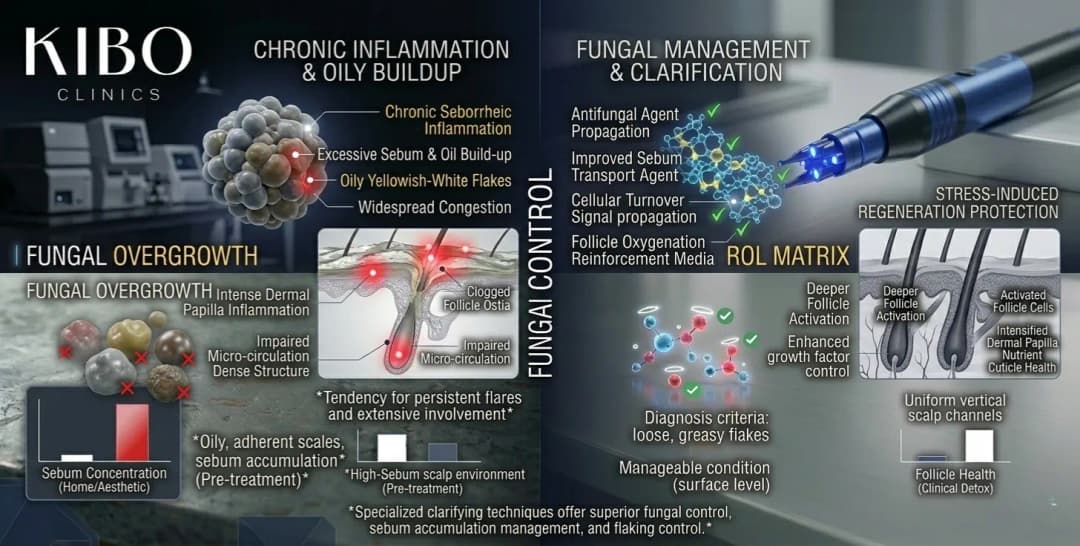
White flakes on your shoulders, constant itching, and a greasy scalp can feel embarrassing and never-ending. Seborrheic dermatitis is a chronic inflammatory scalp condition linked to excess oil and yeast overgrowth, but it can be controlled with the right scalp care, medical treatment, and lifestyle adjustments.
Many people mistake this condition for simple dandruff and keep changing shampoos without relief. The itching returns within days. Red patches may appear along the hairline, eyebrows, or behind the ears. Because it tends to flare up during stress or weather changes, it feels unpredictable. Understanding what is happening at the scalp level makes management much easier.
When Flakes Became More Than Dandruff
Rohan, a 32-year-old IT professional from Pune, first noticed flakes during long work hours and late nights. He assumed it was regular dandruff and started using anti-dandruff shampoos every day.
Over time, the itching worsened. Red patches appeared near his hairline and behind his ears. The flakes became greasy and yellowish. Some days were better, but during stressful project deadlines, the condition flared up again. He even felt mild hair shedding, which increased his anxiety.
After a proper scalp evaluation, he was diagnosed with seborrheic dermatitis. With medicated shampoos, controlled washing frequency, stress management, and scalp-support treatments, his symptoms reduced significantly. The condition did not “disappear,” but it became manageable.
What Causes Seborrheic Dermatitis on the Scalp?
Seborrheic dermatitis develops due to a combination of scalp oil production, yeast growth, immune response, and lifestyle triggers.
First comes scalp health. The scalp naturally produces sebum (oil) to protect the skin and hair. In some individuals, oil production is higher than normal. This creates a moist environment.
Next is follicle and skin surface interaction. A yeast called Malassezia lives naturally on the scalp. When excess oil is present, this yeast multiplies rapidly. The immune system reacts to this overgrowth, leading to inflammation.
Hormones and stress also play a role. Hormonal changes can increase oil secretion. Chronic stress alters immune response, making flare-ups more frequent.
Finally, lifestyle and environmental factors contribute. Cold weather, irregular sleep, harsh hair products, and poor scalp hygiene can worsen the condition.
Is It Contagious or Dangerous?
Seborrheic dermatitis is not contagious. It cannot spread from one person to another through combs, towels, or touch.
It is also not dangerous in most cases. However, severe inflammation can damage the scalp barrier, leading to secondary infections or temporary hair thinning if ignored for long periods.
How Is Seborrheic Dermatitis Different From Regular Dandruff?
Many people search online for “seborrheic dermatitis vs dandruff” because the symptoms overlap.
| Feature | Dandruff | Seborrheic Dermatitis |
|---|---|---|
| Flakes | Dry, white, powdery | Greasy, yellowish, thicker |
| Redness | Usually absent | Common along hairline and scalp |
| Itching | Mild | Moderate to severe |
| Spread | Limited to scalp | May affect eyebrows, beard, ears |
Dandruff is considered a milder form, while seborrheic dermatitis involves visible inflammation and recurring flare-ups.
How Does Seborrheic Dermatitis Show in Men and Women?
In men, seborrheic dermatitis often appears in oil-rich areas such as the scalp, beard, and chest. Because men usually produce more sebum due to testosterone influence, flare-ups can be frequent.
In women, it commonly worsens during hormonal changes such as menstruation or postpartum periods. Women may notice increased flaking along the hairline, especially if they frequently use styling products.
Both men and women can experience temporary hair shedding during severe inflammation. This is usually reversible once inflammation is controlled.
What Daily Habits Make It Better or Worse?
Washing hair too infrequently allows oil and yeast buildup, worsening flakes and itching.
Washing too aggressively with harsh shampoos strips the scalp barrier and increases irritation.
Using heavy oils overnight can aggravate flare-ups in active phases because the yeast thrives in oily environments.
High stress levels can trigger sudden worsening of symptoms.
Cold, dry weather often increases flare-ups.
On the helpful side, using medicated antifungal shampoos as prescribed can reduce yeast levels.
Keeping the scalp clean without over-washing supports barrier health.
Managing stress through sleep and exercise reduces immune-triggered inflammation.
Avoiding scratching prevents skin damage and secondary infection.
What Helps First? (Relief Steps)
Start with a medicated antifungal shampoo containing ingredients like ketoconazole, selenium sulfide, or zinc pyrithione. Use it 2–3 times per week as advised.
Leave the shampoo on the scalp for at least 3–5 minutes before rinsing. Immediate washing off reduces effectiveness.
For severe redness, short-term topical anti-inflammatory lotions may be prescribed by a doctor.
Reduce hair styling products temporarily during flare-ups.
Manage stress and maintain regular sleep cycles.
Most people see visible reduction in flakes within 2–4 weeks. However, maintenance treatment is often required because seborrheic dermatitis is chronic.
When to Meet a Hair Specialist
Consult a specialist if flakes are thick, greasy, and associated with red patches.
Seek medical advice if itching becomes intense or painful.
If you notice sudden hair thinning along with severe scalp inflammation, evaluation is necessary.
If over-the-counter shampoos do not improve symptoms after four weeks, a professional assessment is recommended.
If the condition spreads to the face, eyebrows, or chest, medical guidance helps prevent worsening.
Common Myths About Seborrheic Dermatitis
Myth 1: It happens due to poor hygiene.
Clean individuals can also develop seborrheic dermatitis. It is related to oil production and immune response, not dirt.
Myth 2: Oiling the scalp daily cures it.
Excess oil can worsen yeast growth during active flare-ups.
Myth 3: It causes permanent baldness.
Hair shedding during severe inflammation is usually temporary and reversible.
Myth 4: It is a fungal infection that spreads easily.
While yeast is involved, it is part of normal skin flora and not contagious.
Why Kibo Clinics for Seborrheic Dermatitis
Many patients choose Kibo Clinics for seborrheic dermatitis because our approach addresses both scalp inflammation and long-term hair planning. We begin with comprehensive scalp assessment, hair and follicle analysis, and thorough lifestyle and environmental review.
Our No Ghost Surgery pledge ensures the consulting surgeon personally performs your entire procedure, maintaining consistent quality throughout the session. We don't delegate critical steps to technicians.
The Kibo Hair Analysis (scalp and follicle assessment) is the first step in understanding your specific condition. We provide education, guidance, and support without guarantees, exaggerated claims, or miracle cure promises.
We also offer structured 12-month monitoring and support. Chronic scalp conditions need follow-up. Adjustments in treatment, preventive strategies during seasonal changes, and scalp health tracking help maintain long-term control.
---
Struggling with stubborn scalp flakes? A detailed scalp evaluation can identify the root cause and create a clear management plan.
---
Frequently Asked Questions
Is seborrheic dermatitis a lifelong condition?
It is considered a chronic condition with periods of flare-ups and remission. Many people manage it successfully with regular scalp care and medicated shampoos. Symptoms may reduce significantly over time. However, it can return during stress or seasonal changes. Long-term maintenance is usually required.
Can seborrheic dermatitis cause hair loss?
Severe inflammation can lead to temporary hair shedding. This happens because inflamed follicles shift into resting phase. Once inflammation is controlled, hair typically regrows. Permanent hair loss is uncommon unless secondary infection or other conditions are present.
How often should I wash my hair?
Most people benefit from washing 2–3 times per week with medicated shampoo during flare-ups. Daily washing may irritate the scalp if harsh products are used. Frequency depends on oiliness and severity. A specialist can guide personalized scheduling.
Does diet affect seborrheic dermatitis?
Diet does not directly cause it, but high sugar intake and processed foods may worsen inflammation in some individuals. A balanced diet supports immune function. Hydration and nutrient-rich meals help overall scalp health. Results vary from person to person.
Can I apply coconut oil on my scalp?
During active flare-ups, heavy oils may worsen yeast growth. In mild or controlled stages, limited use may be tolerated. Always monitor for increased itching or redness. If symptoms worsen, stop oil application.
Is seborrheic dermatitis the same as psoriasis?
No, they are different conditions. Psoriasis often causes thick, silvery scales and well-defined plaques. Seborrheic dermatitis produces greasy flakes and redness. Sometimes both conditions overlap, requiring careful diagnosis.
Can stress alone trigger flare-ups?
Stress does not directly cause the condition but can trigger immune changes that worsen symptoms. Many patients report flare-ups during exams, deadlines, or emotional strain. Stress management plays a supportive role in control.
Are natural remedies enough to treat it?
Mild cases may improve with gentle scalp care and tea tree-based products. Moderate to severe cases usually need medicated treatment. Natural remedies alone may not control inflammation effectively. A balanced approach works best.
Disclaimer
This content is for informational purposes only and does not substitute personalized medical advice. Seborrheic dermatitis varies in severity, triggers, and treatment response. Results differ between individuals, and no treatment guarantees permanent cure. Always consult a qualified medical professional for proper diagnosis and tailored management.
Hair Transplant
FUE Hair Transplant | Sapphire FUE | Direct Hair Transplant | Bio FUE | Corrective Transplant
Hair Regrowth
PRP Therapy | GFC Therapy | Mesotherapy | Microneedling | IV Hair Boosters
Must Read
Hair Transplant Guide | FUE Complete Guide | Procedure Steps | Results Timeline | Norwood Scale
Relevant Blogs
Hair Myths Busted | Protective Hairstyles | Hair Breakage Guide | DHT Blockers | Kibo Experience
---