
Anabolic Steroids and Hair Loss: The Price of Muscle
Published on Sat Apr 11 2026
You notice more hair on your pillow just when your muscles are growing faster than ever. If you are using anabolic steroids, hair thinning can be a real and frustrating side effect. Steroids increase certain hormones that shrink hair follicles, especially in people already prone to pattern baldness.
Many men and some women turn to anabolic steroids for faster muscle gain, better performance, or physique goals. What often gets less attention is the hormonal impact on the scalp. Hair loss linked to steroid use is not random. It follows a biological pathway involving scalp sensitivity, follicle health, and androgen levels. Understanding this connection helps you make informed decisions before the damage becomes permanent.
Rahul’s Story: Muscle Gains, Hair Loss Pains
Rahul, a 28-year-old gym enthusiast from Pune, started a steroid cycle before a bodybuilding competition. Within three months, he saw rapid muscle growth and reduced body fat. But he also noticed his hairline receding faster than before.
Initially, he blamed stress and hard workouts. He tried changing shampoos and taking multivitamins. The shedding continued, especially around the temples and crown. After stopping steroids, the shedding reduced, but the lost density did not fully return.
When he finally consulted a hair specialist, he learned that the steroids had increased his dihydrotestosterone (DHT) levels. Because he already had a genetic tendency for male pattern baldness, the steroids accelerated the process. Early intervention could have slowed the progression.
How Do Anabolic Steroids Cause Hair Loss?
Anabolic steroids are synthetic versions of testosterone. When you introduce extra testosterone into the body, it does not just build muscle. It also affects your scalp.
The process usually follows this pathway:
First, scalp health plays a key role. A healthy scalp supports strong follicles. When hormones fluctuate, scalp oil production increases, which can lead to inflammation or clogged follicles.
Second, follicle function changes. Hair follicles on the scalp are sensitive to DHT, a byproduct of testosterone. High DHT levels cause susceptible follicles to shrink over time.
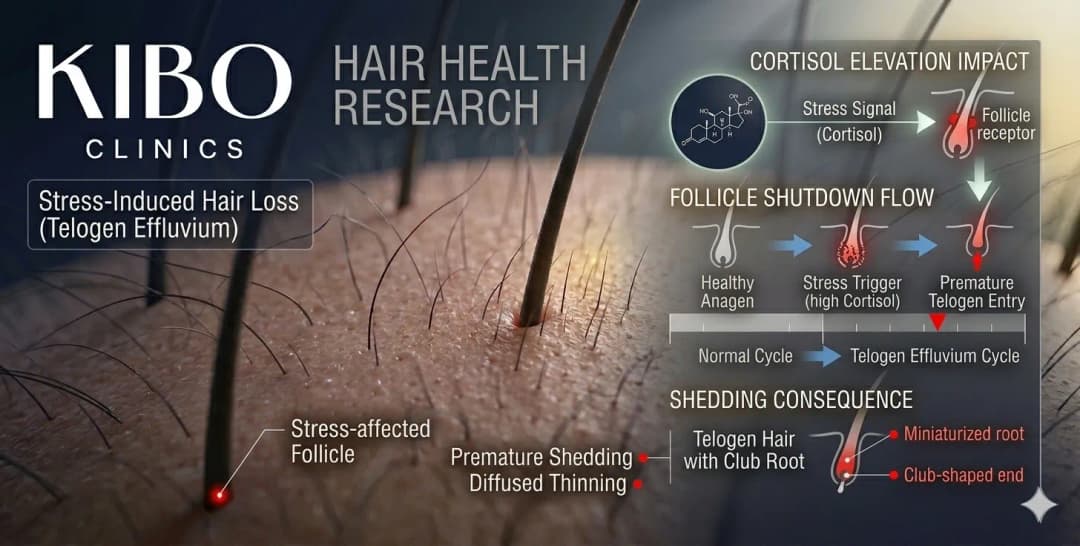
Third, hormones and stress interact. Steroid cycles often disrupt the body’s natural hormone balance. When the cycle ends, sudden hormonal shifts can trigger telogen effluvium, a temporary shedding phase.
Finally, lifestyle and environmental factors make it worse. Intense training, low-calorie diets, dehydration, and poor sleep can further stress the hair growth cycle.
What Is DHT and Why Does It Matter?
DHT (dihydrotestosterone) is a potent androgen formed when testosterone converts through the enzyme 5-alpha reductase.
In people genetically predisposed to androgenetic alopecia, DHT binds to hair follicle receptors and gradually miniaturizes them. The hair becomes thinner, shorter, and lighter with each growth cycle.
Steroids increase overall androgen levels, which often means more DHT. If your follicles are sensitive, this can speed up hair thinning significantly.
What Types of Steroids Are More Likely to Cause Hair Loss?
Not all anabolic steroids have the same impact on hair.
Highly androgenic steroids such as testosterone derivatives and compounds like trenbolone are more likely to increase DHT activity. These can accelerate male pattern baldness quickly in susceptible individuals.
Some steroids claim to be “mild,” but even lower-androgen compounds can indirectly disrupt hormonal balance. In women, even small doses may cause hair thinning due to increased androgens.
Oral steroids may also stress the liver, affecting hormone metabolism and indirectly influencing hair health.
It is important to understand that if you are genetically prone to baldness, almost any androgenic steroid can worsen it.
How Does Steroid-Related Hair Loss Show in Men and Women?
In men, the most common pattern is receding hairline and thinning at the crown. The temples go back first, forming an M-shape. Over time, the crown may thin and merge with frontal loss.
In women, the pattern is usually more diffuse. Instead of a receding hairline, women often notice overall thinning, especially along the parting line. Some may also experience widening of the central scalp line.
Women using anabolic steroids may also develop other signs of excess androgens, such as acne, irregular periods, or increased facial hair, along with scalp thinning.
What Daily Habits Make It Better or Worse?
Heavy steroid cycles combined with crash dieting increase hair fall risk. When protein intake drops or micronutrients like iron and zinc are low, follicles weaken.
Overtraining without recovery increases cortisol. High cortisol levels disturb the hair growth cycle and add to shedding.
Smoking reduces blood flow to the scalp. Poor circulation means follicles receive less oxygen and nutrients.
On the positive side, consistent sleep supports hormone regulation. A balanced diet with adequate protein helps maintain hair structure.
Gentle scalp care also matters. Harsh chemical treatments, tight hairstyles, and aggressive towel drying can worsen breakage on already thinning hair.
A common mistake is ignoring early thinning and continuing steroid use. By the time bald patches become obvious, follicle miniaturization may already be advanced.
What Helps First? (Relief Steps)
The first step is reassessing steroid use. Reducing or stopping anabolic steroids under medical supervision can prevent further hormonal damage.
Topical treatments such as minoxidil may help prolong the growth phase of hair. Results typically begin after three to four months, with visible improvement around six months in some individuals.
Medications that block DHT may slow down progression in men. However, they come with potential side effects and require medical guidance.
Nutritional correction is essential. Address protein intake, iron levels, vitamin D, and B12 deficiencies.
Stress management also plays a role. Regular sleep, hydration, and recovery days from intense workouts help stabilize hormone levels.
If follicles are still active, early intervention can preserve density. Once follicles are completely miniaturized, regrowth becomes difficult without advanced procedures.
When to Meet a Hair Specialist
If you notice rapid hairline recession within a few months of starting steroids, do not ignore it.
Diffuse shedding that lasts more than three months after stopping steroids needs evaluation.
Visible thinning at the crown or widening of the part in women is another red flag.
If hair loss is accompanied by severe acne, mood swings, or hormonal symptoms, a medical assessment is important.
Early scalp analysis can determine whether follicles are still salvageable or permanently miniaturized.
Common Myths About Steroid-Related Hair Loss
Myth 1: Only old men lose hair from steroids.
Hair loss can happen at any age if you are genetically predisposed and hormone levels spike.
Myth 2: Shaving your head stops hair loss.
Shaving changes appearance but does not affect follicle health beneath the scalp.
Myth 3: Hair will fully grow back after stopping steroids.
In some cases, shedding reduces. But miniaturized follicles may not recover completely.
Myth 4: Only high doses cause hair loss.
Even moderate doses can trigger thinning in sensitive individuals.
Why Kibo Clinics for Steroid-Related Hair Loss
Many patients choose Kibo Clinics for steroid-related hair loss because our approach addresses both active thinning and long-term restoration planning. We begin with comprehensive scalp assessment, hair and follicle analysis, and thorough lifestyle and environmental review.
Our No Ghost Surgery pledge ensures the consulting surgeon personally performs your entire procedure, maintaining consistent quality throughout the session. We don't delegate critical steps to technicians.
The Kibo Hair Analysis (scalp and follicle assessment) is the first step in understanding your specific condition. We provide education, guidance, and support without guarantees, exaggerated claims, or miracle cure promises.
For patients who require restoration procedures, we combine medical management with procedural options and provide structured 12-month monitoring. This helps track progress, adjust treatments when required, and support long-term scalp health.
---
If you are noticing thinning after a steroid cycle, early assessment can protect existing hair and guide safer decisions.
---
Frequently Asked Questions
Can anabolic steroids cause permanent hair loss?
Yes, especially in people genetically prone to pattern baldness. Steroids can accelerate follicle miniaturization through increased DHT levels. If caught early, progression may be slowed. However, once follicles shrink significantly, regrowth becomes limited without procedural intervention.
Will hair grow back after stopping steroids?
Shedding may reduce after stopping steroids, particularly if it was due to hormonal shock. However, hair lost from androgenetic miniaturization may not fully return. Early treatment improves the chances of preserving existing follicles.
Are some steroids safer for hair than others?
Some steroids are less androgenic, but none are completely risk-free for hair if you are genetically predisposed. Even milder compounds can disrupt hormone balance. Individual response varies.
Can women lose hair from anabolic steroids?
Yes. Women may experience diffuse thinning rather than a receding hairline. Because women naturally have lower androgen levels, even small increases can significantly impact scalp hair.
Does taking DHT blockers solve the problem?
DHT blockers can slow progression in some men. However, they may have side effects and do not reverse advanced miniaturization. They should only be used under medical supervision.
How quickly can steroid-related hair loss start?
Some people notice shedding within weeks, while others see gradual thinning over months. Rapid changes are more common with high doses or strong androgenic compounds.
Is hair transplant possible after steroid-related hair loss?
Yes, if the donor area remains healthy and stable. However, hormone balance and ongoing steroid use must be evaluated first to avoid further progression.
Does gym training itself cause hair loss?
Regular exercise supports overall health. Hair loss is more closely linked to hormonal manipulation, extreme dieting, and stress rather than normal workouts.
Disclaimer
This content is for informational purposes only and does not substitute personalized medical advice. Hair loss from anabolic steroids varies based on genetics, dosage, duration of use, and overall health. Treatment responses differ between individuals, and no approach guarantees complete reversal. Always consult a qualified medical professional before starting or stopping steroids or hair loss treatments.
Hair Transplant
FUE Hair Transplant | Sapphire FUE | Direct Hair Transplant | Bio FUE | Corrective Transplant
Hair Regrowth
PRP Therapy | GFC Therapy | Mesotherapy | Microneedling | IV Hair Boosters
Must Read
Hair Transplant Guide | FUE Complete Guide | Procedure Steps | Results Timeline | Norwood Scale
Relevant Blogs
Hair Myths Busted | Hair Breakage Guide | Kibo Experience
---