
Winter Dryness and Scalp Flaking: How to Keep Your Hair Hydrated
Published on Sat Apr 11 2026
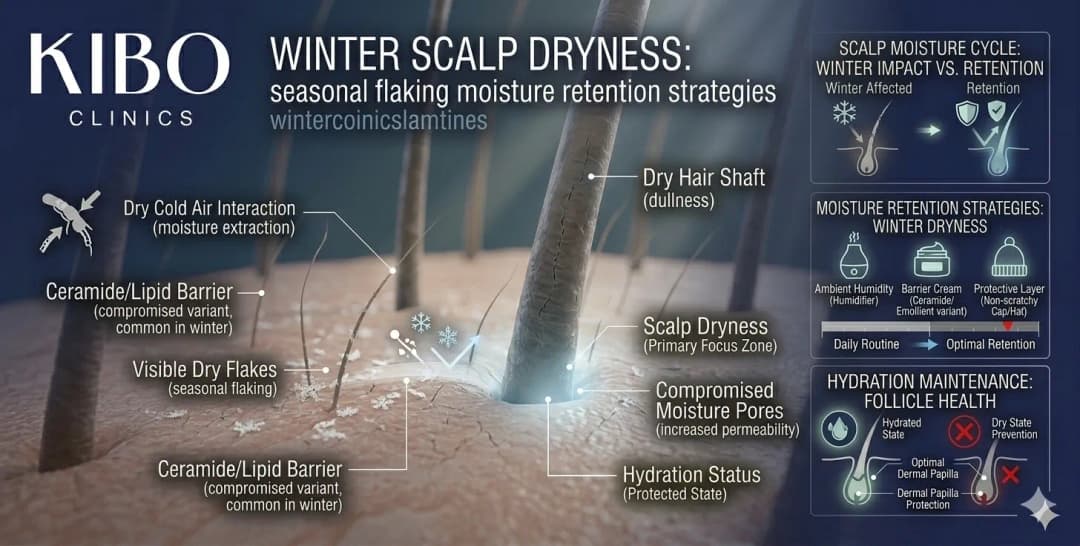
Cold air outside, heaters inside, and suddenly your scalp feels tight and itchy. White flakes on dark clothes can feel embarrassing. Winter dryness and scalp flaking happen because low humidity strips natural oils from the scalp, weakening the skin barrier and affecting hair roots. With the right care, hydration can be restored.
During winter, many people notice more hair fall along with dryness. This is not always dandruff. Often, it is simple moisture loss that disrupts scalp balance. When the scalp barrier becomes weak, follicles do not function at their best. Understanding the difference between dry scalp and dandruff helps you choose the correct solution instead of overusing harsh anti-dandruff shampoos.
A Winter Story: When Flakes Weren’t Dandruff
Ritika, 29, from Delhi, noticed intense itching every December. She assumed it was dandruff and started using strong medicated shampoos three times a week.
Within a month, her scalp felt even tighter. Hair strands became rough, and shedding increased. She also spent long hours in air-conditioned offices and used hot water for hair wash.
After a scalp assessment, it was clear her problem was winter dryness, not fungal dandruff. Once she switched to hydrating cleansers, reduced hot showers, and improved scalp moisturising, flaking reduced in three weeks. Her hair texture improved gradually over two months.
Why Does Scalp Dryness Increase in Winter?
Winter dryness starts with reduced humidity in the air. When environmental moisture drops, the scalp loses water faster than it can replace.
First, the scalp skin barrier becomes weak. Natural oils produced by sebaceous glands are not enough to prevent transepidermal water loss.
Next, follicle function becomes less efficient. A dry scalp creates a stressed environment for hair roots. This can lead to brittle strands and temporary seasonal hair shedding.
Hormones and stress also play a role. Cortisol levels may increase during lifestyle stress, affecting oil balance. Reduced sun exposure in winter may influence vitamin D levels, which are linked to hair cycle regulation.
Lifestyle factors worsen the issue. Hot showers, indoor heaters, chemical styling, low water intake, and poor nutrition reduce hydration further.
Is It Dry Scalp or Dandruff?
Dry scalp flakes are usually small, white, and powdery. The scalp feels tight and may look dull.
Dandruff flakes are often larger, slightly yellowish, and associated with excess oil and fungal overgrowth. There may be redness and persistent itching.
Using anti-dandruff shampoos for a dry scalp can worsen irritation because they reduce oil further.
How Can You Keep Your Hair Hydrated in Winter?
Hydration starts at the scalp, not the hair shaft alone.
Choose a mild, sulphate-free cleanser. Washing 2–3 times a week is enough for most people unless the scalp is very oily.
Use lukewarm water instead of hot water. High temperatures strip protective oils quickly.
Apply a lightweight scalp serum containing hydrating ingredients like hyaluronic acid, aloe vera, or panthenol. This helps restore moisture without clogging follicles.
Oil massage once or twice weekly can support barrier repair. Coconut oil, argan oil, or almond oil can be helpful when used moderately. Over-oiling daily can block follicles.
Deep conditioning masks help the hair shaft retain moisture. Focus on mid-lengths and ends rather than heavily coating the scalp.
Humidifiers in bedrooms reduce indoor dryness, especially in cities with severe winters.
Stay hydrated internally. Adequate water intake and balanced nutrition with omega-3 fats, protein, iron, and zinc support scalp health from within.
How Does Winter Dryness and Scalp Flaking Show in Men and Women?
Men often experience dryness along with receding hairlines or thinning crowns. Short hair makes flakes more visible. Those with male pattern hair loss may notice increased shedding during seasonal changes.
Women commonly report tightness along the parting line and temple areas. Long hair can hide flakes, but itching and rough texture become noticeable. Women using heat styling tools frequently may experience more breakage during winter.
Hormonal fluctuations in women, especially around thyroid imbalance or PCOS, can intensify dryness and hair fall.
Both genders are equally affected by environmental triggers, but styling habits often create differences in severity.
What Daily Habits Make It Better or Worse?
Frequent hot showers worsen dryness. Heat damages the scalp barrier and increases moisture loss.
Overwashing with strong shampoos removes natural oils. This leads to reactive oil production or persistent dryness.
Skipping conditioner makes hair shafts rough and prone to breakage.
Low water intake reduces internal hydration. Hair roots depend on blood circulation and nutrient supply.
Helpful habits include gentle scalp massage to improve blood flow.
Using soft towels instead of aggressive rubbing prevents mechanical damage.
Limiting heat styling tools protects the hair cuticle.
Eating seasonal fruits, nuts, seeds, and protein supports follicle health.
Avoid scratching the scalp with nails. This can cause micro-injuries and inflammation.
What Helps First? (Relief Steps)
Switch to a hydrating shampoo immediately.
Reduce water temperature during hair wash.
Apply a soothing scalp serum after towel drying.
Start weekly oil massage if there is no active infection.
Improve water intake within the first week.
Most people notice reduced itching in 7–10 days.
Visible flaking usually improves within 2–3 weeks if the routine is consistent.
Hair texture may take 4–6 weeks to regain softness.
If dryness has caused significant shedding, regrowth follows the natural hair cycle and may take 3–4 months.
When to Meet a Hair Specialist
Flaking persists despite hydration care for more than four weeks.
There is redness, severe itching, or oozing patches.
Hair fall exceeds 100–150 strands daily for several weeks.
You notice sudden bald patches.
There is associated fatigue, weight change, or hormonal imbalance symptoms.
Chronic scalp inflammation can affect follicle health long term, so early assessment helps prevent progression.
Common Myths About Winter Dryness and Scalp Flaking
Myth 1: All flakes mean dandruff.
Dry scalp and dandruff are different conditions with different treatments.
Myth 2: More oiling always solves dryness.
Excess oil can clog follicles and attract dirt, worsening irritation.
Myth 3: Washing less prevents dryness.
Infrequent washing can lead to buildup, which disrupts scalp balance.
Myth 4: Hair fall in winter is permanent.
Seasonal shedding is usually temporary if scalp health is restored.
Myth 5: Only women face dry scalp.
Men experience equal or higher dryness due to outdoor exposure and styling products.
Why Kibo Clinics for Winter Dryness and Scalp Flaking
Many patients choose Kibo Clinics for scalp dryness and flaking concerns because our approach addresses both scalp health and long-term hair planning. We begin with comprehensive scalp assessment, hair and follicle analysis, and thorough lifestyle and environmental review.
Our No Ghost Surgery pledge ensures the consulting surgeon personally performs your entire procedure, maintaining consistent quality throughout the session. We don't delegate critical steps to technicians.
The Kibo Hair Analysis (scalp and follicle assessment) is the first step in understanding your specific condition. We provide education, guidance, and support without guarantees, exaggerated claims, or miracle cure promises.
For patients with associated hair thinning, options like PRP therapy, IV hair boosters, or supportive treatments may be discussed based on individual assessment. We also provide 12-month monitoring and follow-up support to track progress and adjust care when required.
---
If winter dryness is affecting your confidence or causing hair shedding, a professional scalp evaluation can help you choose the right path instead of experimenting with random products.
---
Frequently Asked Questions
Is winter scalp flaking the same as dandruff?
Not always. Winter flaking is often due to dryness caused by low humidity. Dandruff usually involves fungal overgrowth and excess oil. Dry flakes are smaller and powdery. Correct diagnosis matters because anti-dandruff shampoos can worsen dryness if misused.
How often should I wash my hair in winter?
Most people benefit from washing 2–3 times per week with a mild cleanser. Washing too frequently strips oils. Washing too rarely causes buildup. The right frequency depends on scalp type and lifestyle.
Does oiling help with dry scalp?
Moderate oiling once or twice weekly can support barrier repair. However, excessive oiling may clog follicles and trap dirt. It should not replace proper cleansing and hydration.
Can winter dryness cause hair fall?
Yes, dryness can stress follicles and increase seasonal shedding. This is usually temporary. If hair fall continues beyond a few months, further evaluation is needed.
Are hot showers harmful for scalp health?
Very hot water removes natural oils quickly and weakens the scalp barrier. Lukewarm water is safer during winter to maintain moisture balance.
Do humidifiers really help hair?
Humidifiers improve indoor air moisture, reducing scalp dehydration. They support overall comfort but must be combined with proper hair care for visible benefits.
Can dehydration affect scalp health?
Low water intake reduces internal hydration and nutrient circulation. While drinking water alone will not cure dryness, it supports overall scalp function.
When should I see a doctor for scalp flakes?
If flaking persists beyond four weeks, becomes severe, or is associated with redness and hair thinning, professional evaluation is recommended. Early care prevents chronic inflammation.
Disclaimer
This content is for informational purposes only and does not substitute personalized medical advice. Winter dryness and scalp flaking vary based on individual scalp type, health conditions, and environmental exposure. Treatment responses differ, and no routine guarantees complete resolution. Professional consultation is recommended for persistent or severe symptoms.
Hair Transplant
FUE Hair Transplant | Sapphire FUE | Direct Hair Transplant | Bio FUE | Corrective Transplant
Hair Regrowth
PRP Therapy | GFC Therapy | Mesotherapy | Microneedling
Must Read
Hair Transplant Guide | FUE Complete Guide | Procedure Steps | Results Timeline | Norwood Scale
Relevant Blogs
Hair Myths Busted | Hair Breakage Guide | DHT Blockers | Kibo Experience
---