
The Best Superfoods for Hair Density: What to Eat Daily
Published on Wed Mar 18 2026
Sneha tried a new diet focused on hair-healthy "superfoods" after reading about specific foods that could restore density. "I'm eating salmon, spinach, nuts, and berries daily," she explained, "but after three months my hair looks the same. Do these foods actually help, or is this marketing?" Understanding what nutrition can and cannot do for hair health helps set realistic expectations about diet-based approaches.
Nutrients That Actually Matter for Hair
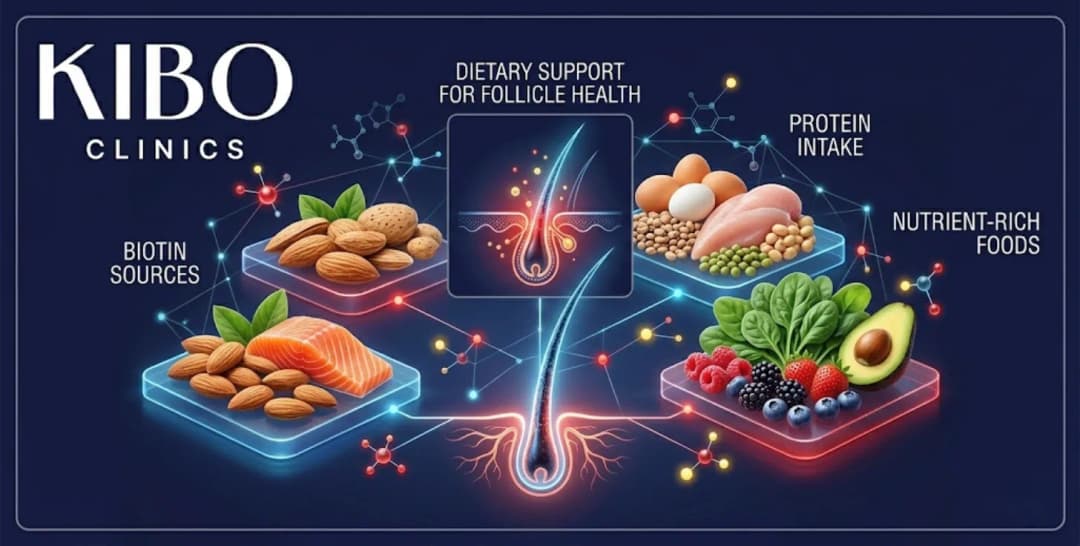
Protein provides the building blocks for keratin, the structural protein forming hair shafts. Inadequate protein intake can slow growth and create brittle, weak hair. Iron supports oxygen delivery to follicles, with deficiency commonly causing telogen effluvium shedding patterns. Zinc participates in hair tissue growth and repair, with deficiency associated with hair loss though excess also causes problems.
Biotin, often marketed heavily for hair, is rarely deficient in people eating normal diets, making supplementation unnecessary for most people. Vitamin D receptors in follicles suggest importance, though research on supplementation benefits for hair specifically remains limited. Omega-3 fatty acids support scalp health and may have anti-inflammatory benefits, though direct hair growth evidence is modest.
For Sneha, blood work revealed no nutritional deficiencies despite her previous less-than-ideal diet, meaning adding superfoods addressed deficiencies that didn't actually exist and couldn't improve hair that wasn't limited by nutrition.
When Nutrition Helps vs When It Doesn't
If you have documented nutritional deficiency, correcting it can restore hair health and growth that the deficiency impaired. This includes iron deficiency anemia common in women with heavy menstrual bleeding, protein malnutrition from extremely restrictive diets or eating disorders, and vitamin deficiencies from malabsorption conditions.
However, if your nutrition is already adequate, adding more of good nutrients won't create better-than-normal hair. Pattern baldness driven by genetics and DHT doesn't respond to nutritional optimization. Temporary shedding from stress or illness won't reverse faster through dietary changes if nutrition is already sufficient.
The ceiling effect matters. Once nutritional needs are met, more doesn't help. It's like watering a plant. Adequate water produces healthy growth. More water doesn't create extra growth and can actually harm through overwatering.
The Superfood Marketing Problem
Foods marketed as "superfoods for hair" often contain nutrients important for hair but not uniquely so, and not in dramatically higher amounts than normal foods. Expensive supplements derived from these foods charge premium prices for nutrients easily obtained through regular diet. The implied message that eating certain foods will grow more hair or prevent genetic hair loss oversells what nutrition can actually accomplish.
For Sneha, we explained that her varied diet already provided all nutrients her hair needed. The expensive berries and wild-caught salmon weren't hurting, but they weren't helping either beyond what regular protein sources and less-expensive frozen vegetables would provide.
Realistic Nutrition Guidance for Hair Health
Ensure adequate protein intake, particularly important for vegetarians or very low-calorie diets. Include iron-rich foods if you're in demographic groups prone to deficiency, particularly menstruating women. Maintain varied diet including vegetables, fruits, proteins, and healthy fats rather than focusing obsessively on specific "hair foods."
If you suspect nutritional issues, get blood work to identify actual deficiencies rather than supplementing blindly. Address underlying eating disorders or extreme diets that might create genuine nutritional compromise. Consider that if your diet is already reasonably healthy, hair problems likely stem from factors nutrition cannot address.
Frequently Asked Questions
Can lifestyle changes prevent hair loss?
Lifestyle modifications can slow progression and improve overall hair health, but genetic pattern baldness requires medical or surgical intervention.
How do I know if my hair loss is temporary?
Temporary shedding from stress, nutrition, or medication typically resolves within 6-9 months, while pattern baldness progresses steadily over years.
What vitamin deficiencies cause hair loss?
Iron, vitamin D, vitamin B12, and zinc deficiencies can contribute to hair thinning, though correction only helps if deficiency exists.
Should I use special shampoos for hair loss?
Medicated shampoos help scalp health but dont treat underlying hair loss. Focus on proven treatments like minoxidil or finasteride for actual regrowth.
How often should I wash thinning hair?
Wash as needed based on oil production, typically every 2-3 days. Washing frequency doesnt affect hair loss despite common myths.
Can stress cause permanent hair loss?
Acute stress triggers temporary shedding that resolves naturally. Chronic stress may accelerate genetic hair loss but doesnt solely cause permanent baldness.
Do hair growth supplements actually work?
Supplements only help if you have documented nutritional deficiency. For people with adequate nutrition, supplements provide minimal benefit.
Is thinning hair a sign of health problems?
Sometimes. Sudden significant shedding warrants blood work to check thyroid, iron, and other markers, though most hair loss is genetic.
What foods are best for hair health?
Protein-rich foods, iron sources like lean meat and spinach, and foods with zinc and biotin support hair health, but diet alone wont reverse genetic baldness.
Why Kibo Clinics
At Kibo Clinics, our planning-first philosophy includes honest discussion about what nutrition can and cannot do for your specific hair concerns. We don't sell supplements or promote superfoods because we focus on evidence-based interventions that actually address your documented issues. For hair loss driven by genetics, hormones, or follicle miniaturization, we provide proven medical and surgical treatments rather than suggesting dietary changes that sound helpful but won't deliver results.
Disclaimer: This blog is for informational purposes only. Consult qualified healthcare providers for personalized medical advice.
Hair Regrowth Services
Body Hair Transplant | Sapphire Fue Hair Transplant | Corrective Hair Transplant | Low Level Laser Therapy Lllt | Realtime Fue Hair Transplant | Unshaven Hair Transplant
Must Read
Hair Transplant Healing Recovery | Why Scalp Hygiene Is As Important As Hair Hygiene | Five Ways To Keep Your Hair Transplant Plans On Track With Kibo | Best Hair Transplant In Chembur | Best Hair Transplant In Sion | Cost Of Hair Transplant In Indore
Relevant Blogs
Hair Transplant Vs Hair Patch | Pdo Threads Scalp Hair Restoration | Night Time Hair Care Reduce Breakage | Swelling After Hair Transplant | Cost Of Hair Transplant In Nagpur | Helmet Use Traffic Hairline Damage | Best Hair Transplant Technique Fue Fut Dhi