Discover expert insights on hair transplant procedures, FUE techniques, recovery tips, and hair restoration guides from Kibo's experienced team.

A vegan hair treatment is a product, salon service, supplement, or medical formulation made without animal-derived ingredients. While some vegan treatments improve hair quality, support scalp health, or help correct a confirmed nutritional deficiency, they do not automatically treat medical hair loss.
Published: August 17, 2026 – 5 min read

This guide explains what stem cell hair therapy, follicular cell therapy, exosomes and hair cloning actually mean in 2026. Small human studies of cell-based and cell-derived approaches show early signals, but protocols are heterogeneous and the evidence is not strong enough to treat them as standard replacements for established hair-loss care. Hair cloning or follicle multiplication remains investigational, although clinical development is moving forward, including new cell-therapy testing announced in 2026. The article separates current evidence from marketing language, explains regulatory and safety questions, and shows what patients can realistically do while regenerative research develops.
Published: August 13, 2026 – 5 min read
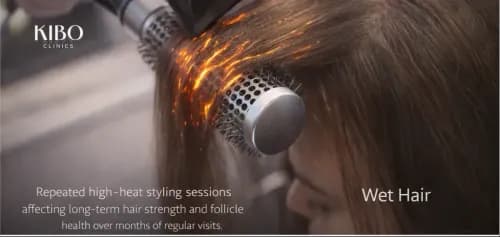
This guide explains what frequent salon blowouts can realistically damage and what they are less likely to cause. Repeated high heat can roughen the hair surface and increase breakage, while forceful brush tension can add mechanical stress. However, there is no good evidence that professional blowouts are automatically more damaging than home drying, that every salon dryer reaches a fixed extreme temperature, or that weekly blowouts inevitably cause traction alopecia. The article explains safer technique, who is more vulnerable, how to tell breakage from true shedding, and when progressive thinning needs a dermatologist-led assessment.
Published: August 12, 2026 – 5 min read
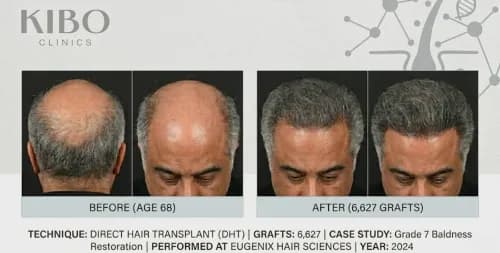
This guide separates what is publicly confirmed about Boney Kapoor's hair transplant from what should not be assumed from photos or clinic marketing. It covers the reported January 2024 procedure, 6,627 scalp grafts, the DHT label used by his treating clinic, advanced Grade 7 hair loss, result updates, donor-planning challenges, and the practical lessons patients can take from a high-graft-count case. It also explains why one celebrity result cannot predict another patient's suitability, graft survival, density, cost or long-term outcome.
Published: August 12, 2026 – 5 min read
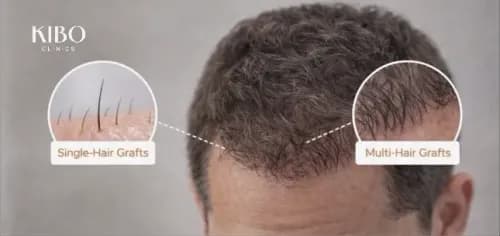
This guide explains what single-hair, double-hair, triple-hair and other multi-hair follicular unit grafts mean in a hair transplant. It shows where each graft type is usually placed, why a graft is not the same as one hair, and how hair calibre, curl, angle, direction, donor composition and recipient-zone size affect the final visual result. It also clarifies the difference between graft composition and FUE, FUT or DHI terminology, removes universal survival-rate claims, and gives practical questions to ask before accepting a graft plan.
Published: August 12, 2026 – 5 min read
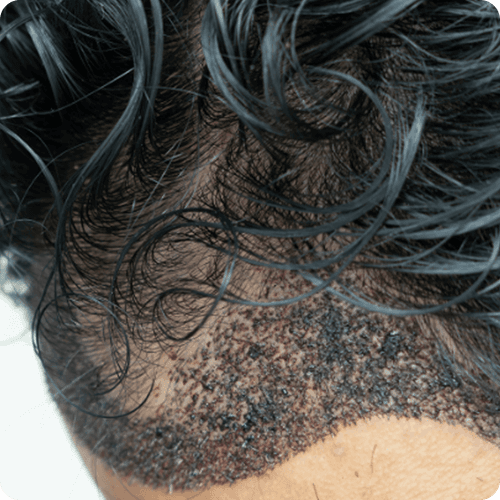
An unshaven hair transplant, often called a “no-shave FUE,” is a specialised hair restoration technique where grafts are extracted and implanted without shaving the entire scalp. Only small donor sections are trimmed, usually hidden beneath the longer hair. This approach allows patients to maintain their existing hairstyle during and after the procedure. It is designed for individuals who prefer privacy and wish to continue professional or social engagements without visible signs of surgery. The method demands higher surgical precision and takes longer than standard FUE, but offers unmatched discretion. Proper planning, eligibility assessment, and post-operative care are essential to achieving natural and consistent outcomes.
Published: August 12, 2026 – 5 min read
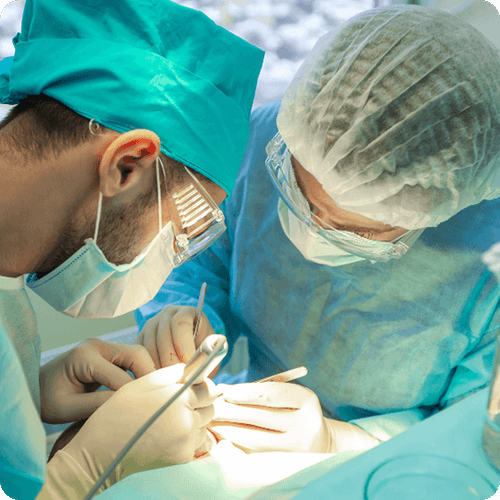
Real-time FUE is a modified FUE technique in which hair follicles are extracted and implanted almost simultaneously without storing the grafts for extended periods outside the body. This process minimises the time follicles spend out of the body, a factor that may influence graft survival and overall outcome.
Published: August 12, 2026 – 5 min read
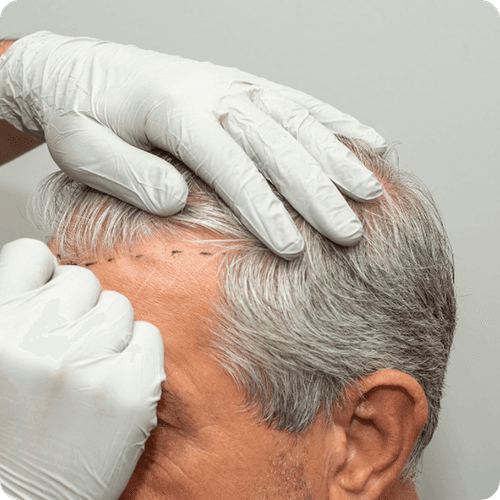
A corrective hair transplant, also known as a revision or repair transplant, is a specialised surgical procedure to fix the visible or functional problems caused by previous hair transplant. These issues can stem from outdated techniques, poorly planned hairline designs, technical errors, or graft survival problems. The goal is not simply to add more hair — it is to restore natural appearance and provide the most cosmetically acceptable results keeping surgical limitations in perspective.
Published: August 12, 2026 – 5 min read
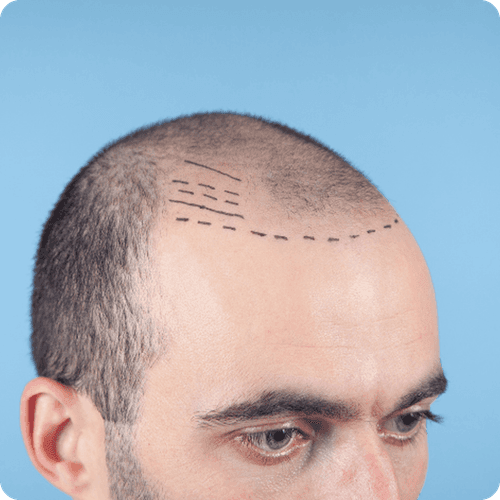
Hairline correction is a specialised hair restoration procedure designed to address and improve hairline that appears unnatural, asymmetric, or aesthetically unsatisfactory after a previous transplant. It focuses on refining the placement, shape, density, and natural blending of the frontal hairline to match an individual’s facial structure and age
Published: August 12, 2026 – 5 min read
YOUR HAIR JOURNEY STARTS HERE