
Air Pollution in Mumbai: How to Protect Your Hair from Smog
Published on Wed Mar 18 2026
Priya washed her hair daily after moving from Pune to Mumbai. "By evening my scalp feels gritty and my hair looks dull," she described. "Is Mumbai's pollution actually damaging my hair, or am I overthinking this?" Understanding how urban air pollution affects hair and scalp helps you develop protection strategies appropriate for high-pollution environments.
How Air Pollution Damages Hair
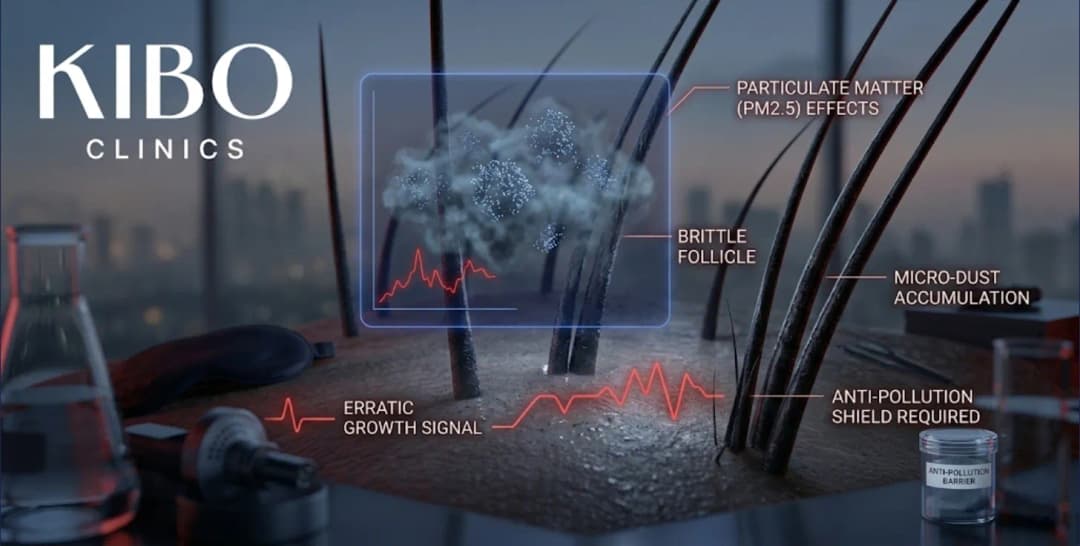
Particulate matter deposits on hair shafts and scalp, creating physical barrier that blocks follicle openings and scalp pores. These particles can trigger inflammatory responses in scalp skin, potentially affecting follicle health. Heavy metals and other pollutants in urban air can penetrate cuticle layers, causing oxidative damage to hair protein structure.
Pollution combines with natural scalp oils to create sticky residue that's harder to remove than either oil or pollution alone. This buildup can lead to increased bacterial and fungal growth on the scalp. For people with existing scalp sensitivity or conditions like seborrheic dermatitis, pollution can worsen symptoms.
Free radicals generated by pollutant exposure accelerate hair aging processes, potentially contributing to premature graying and texture changes. The inflammation triggered by chronic pollution exposure may affect follicle function over time, though distinguishing pollution effects from other environmental and genetic factors remains challenging.
For Priya, Mumbai's higher particulate pollution compared to Pune meant visible grit accumulation by day's end and scalp irritation that hadn't been issues in her previous city.
Mumbai-Specific Pollution Challenges
High traffic density creates substantial particulate matter from vehicle emissions, construction dust, and industrial activity. Coastal humidity makes pollutants stick more readily to hair and skin compared to drier inland cities. Seasonal variations mean monsoons temporarily improve air quality through rainfall washing, while winter inversion layers trap pollutants closer to ground level.
The combination of pollution and humidity creates particularly challenging conditions for hair, with moisture making pollutants adhere better while pollution prevents proper scalp breathing and cleansing.
Protective Strategies for High-Pollution Environments
Daily or near-daily hair washing becomes necessary in high-pollution cities to remove accumulated particulates before they cause scalp problems. Use gentle, sulfate-free cleansers to avoid stripping natural oils while still removing pollution buildup. Consider scalp-specific cleansing products that focus on removing debris from follicle areas where buildup causes most problems.
Physical barriers like hats, scarves, or updos reduce direct pollution exposure during commutes or outdoor time. Indoor air purifiers, while primarily for respiratory health, also reduce airborne particles that would otherwise settle on hair and skin. Regular deep cleansing treatments monthly help remove buildup that daily washing might miss, particularly for people with thick or textured hair where pollution penetrates more deeply.
Antioxidant hair products may help neutralize free radical damage from pollution exposure, though evidence for hair-specific benefits remains limited compared to skin care. Rinse hair with clean water after outdoor exposure even if not doing full wash, as this removes surface particles before they work deeper into hair structure.
For Priya, switching to daily gentle washing with a sulfate-free shampoo plus wearing her hair up during commutes significantly reduced the gritty feeling and scalp irritation within two weeks.
When Pollution Damage Requires Professional Treatment
If scalp inflammation from pollution exposure leads to persistent flaking, itching, or hair loss despite improved hygiene, professional evaluation becomes necessary. Some people develop allergic or irritant reactions to specific pollutants requiring medical treatment beyond just better cleansing. Accumulated damage to hair structure from years of pollution exposure might benefit from professional strengthening treatments.
Frequently Asked Questions
Can lifestyle changes prevent hair loss?
Lifestyle modifications can slow progression and improve overall hair health, but genetic pattern baldness requires medical or surgical intervention.
How do I know if my hair loss is temporary?
Temporary shedding from stress, nutrition, or medication typically resolves within 6-9 months, while pattern baldness progresses steadily over years.
What vitamin deficiencies cause hair loss?
Iron, vitamin D, vitamin B12, and zinc deficiencies can contribute to hair thinning, though correction only helps if deficiency exists.
Should I use special shampoos for hair loss?
Medicated shampoos help scalp health but dont treat underlying hair loss. Focus on proven treatments like minoxidil or finasteride for actual regrowth.
How often should I wash thinning hair?
Wash as needed based on oil production, typically every 2-3 days. Washing frequency doesnt affect hair loss despite common myths.
Can stress cause permanent hair loss?
Acute stress triggers temporary shedding that resolves naturally. Chronic stress may accelerate genetic hair loss but doesnt solely cause permanent baldness.
Do hair growth supplements actually work?
Supplements only help if you have documented nutritional deficiency. For people with adequate nutrition, supplements provide minimal benefit.
Is thinning hair a sign of health problems?
Sometimes. Sudden significant shedding warrants blood work to check thyroid, iron, and other markers, though most hair loss is genetic.
What foods are best for hair health?
Protein-rich foods, iron sources like lean meat and spinach, and foods with zinc and biotin support hair health, but diet alone wont reverse genetic baldness.
Why Kibo Clinics
At Kibo Clinics, we understand that Mumbai's environmental conditions create unique protective hair care challenges beyond what patients in less polluted cities face. Our planning-first philosophy includes practical strategies for managing unavoidable environmental stressors while pursuing hair restoration goals. We help patients adapt hair care routines to their actual living conditions rather than idealized scenarios that don't match Mumbai reality.
Disclaimer: This blog is for informational purposes only. Consult qualified healthcare providers for personalized medical advice.
Hair Regrowth Services
Pdo Threads Hair Regrowth | Unshaven Hair Transplant | Hairline Correction | Prp Therapy | Corrective Hair Transplant | Microneedling For Hair Regrowth
Must Read
Bht For Grade Six Seven Baldness Extending Donor Options | Frequent Salon Blowouts Hair Damage | Helmet Use Traffic Hairline Damage | Mesotherapy For Hair Loss | Why Not Everyone Is A Candidate For The Same Hair Restoration Approach | Does Surgeon Experience Matter Hair Transplant
Relevant Blogs
Biotin Supplements Hair Growth | Cost Of Hair Transplant In Ludhiana | Hair Loss In Delhi | Hair Transplant Quote Structures And Transparent Pricing | Second Hair Transplant Failed First | Stress Induced Hair Loss Telogen Effluvium | Iron Deficiency Hair Thinning Ferritin