Discover expert insights on hair transplant procedures, FUE techniques, recovery tips, and hair restoration guides from Kibo's experienced team.
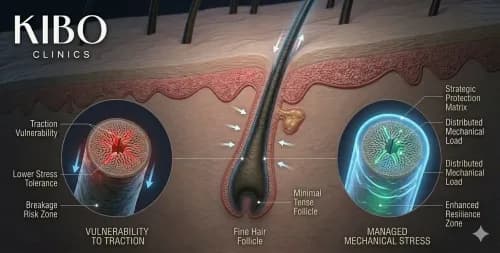
Fine hair reaches traction damage thresholds faster than thick hair because each strand contains less keratin transferring more pulling force to the follicle and producing temple thinning months before thick hair would show any signs.
August 12, 2026 – 5 min read
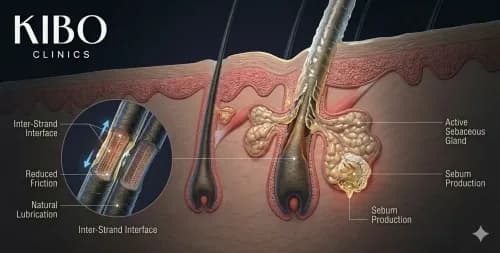
Oiling hair before washing reduces protein loss and smooths the cuticle protecting against the friction-based breakage that accumulates from daily combing, tying, and sleeping.
August 12, 2026 – 5 min read
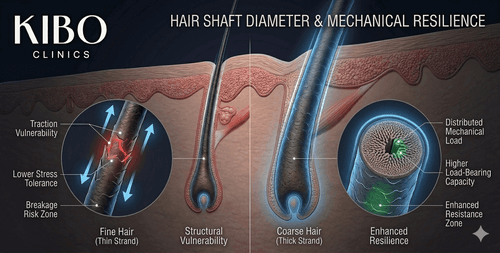
Hair thickness determines how scalp stress distributes during styling as strands miniaturise, each follicle bears more traction force, silently accelerating the thinning that was already underway.
August 12, 2026 – 5 min read
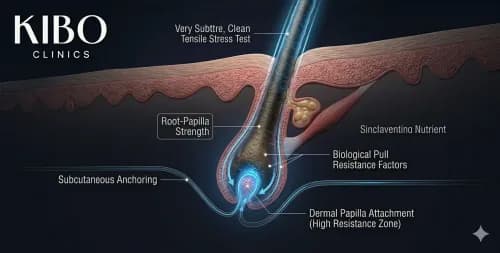
Weak hair roots are most often caused by iron deficiency, stress-driven cortisol spikes, or hormonal shifts pushing follicles into the telogen phase not permanent damage and most cases resolve within 3 to 6 months of addressing the trigger.
August 12, 2026 – 5 min read
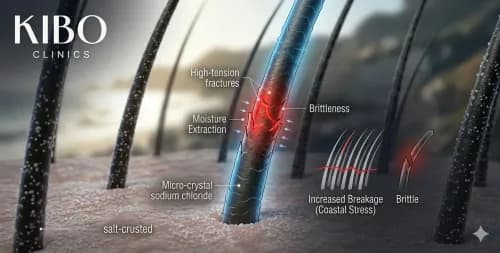
Salt water damages hair by extracting moisture from the cortex and roughening the cuticle making strands brittle and breakage-prone long before any root-level hair fall occurs.
August 12, 2026 – 5 min read
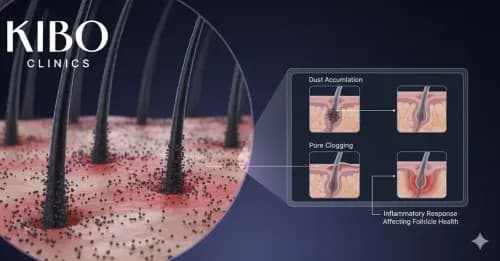
City dust clogs follicle openings, triggers chronic scalp inflammation, and generates oxidative stress that shortens the hair growth cycle causing shedding that worsens month by month until the source is addressed.
August 12, 2026 – 5 min read
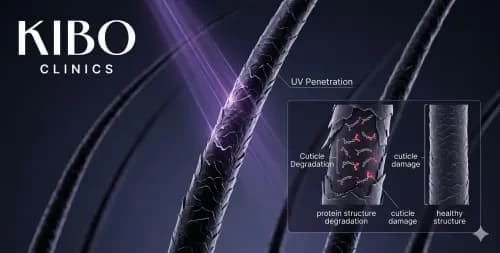
Sun damages hair by degrading the keratin cuticle, increasing porosity, and inflaming the scalp accelerating breakage and, in genetically sensitive individuals, visibly worsening thinning within months.
August 12, 2026 – 5 min read
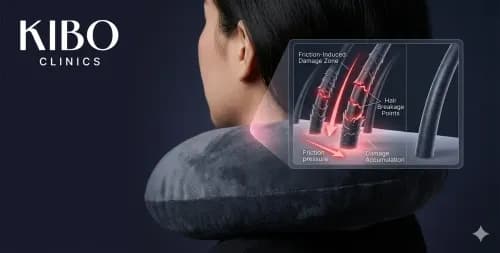
Travel pillows cause hair breakage at the nape through friction and sweat buildup not permanent follicle damage and switching to a satin or cotton cover stops most of it within weeks.
August 12, 2026 – 5 min read
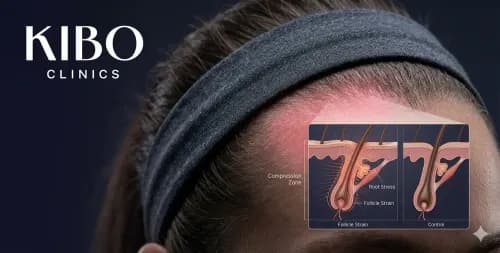
Tight gym headbands cause hair loss by trapping sweat against the hairline and creating traction stress on the same follicles daily most cases reverse within 3 months once the mechanical stress stops.
August 12, 2026 – 5 min read

Wearing a helmet daily causes hairline thinning through friction, sweat buildup, and clogged follicles not by destroying roots permanently, making most early-stage damage fully reversible.
August 12, 2026 – 5 min read

Humidity causes hair breakage not root-level loss by swelling the shaft, lifting cuticle scales, and weakening hydrogen bonds until everyday combing and tying snaps already fragile strands.
August 21, 2026 – 5 min read

This guide explains what air conditioning can realistically do to your hair and what it cannot. Low indoor humidity can change the water content and mechanical behaviour of the hair fibre, which may worsen dryness, static, roughness and breakage, especially in already damaged hair. It also explains how to tell breakage from true shedding or pattern thinning, which daily habits reduce damage, and when persistent hair fall needs a dermatologist-led assessment rather than more conditioning products.
August 12, 2026 – 5 min read

Air pollution causes hair loss by building up particulate matter on the scalp that blocks follicles, triggers chronic inflammation, and generates oxidative stress that degrades the keratin proteins keeping hair anchored.
August 12, 2026 – 5 min read

Long desk hours and poor posture can restrict scalp blood flow, weakening hair roots over time. This guide explores how sedentary work lifestyles impact hair density and offers practical daily steps to improve circulation.
August 12, 2026 – 5 min read

Hair loss has become a widespread problem worldwide, especially in metropolitan cities like Mumbai, affecting both men and women. Many people have been spending money on shampoos, oils, and other quick fixes to stop hair loss, but to no avail. Doctors and dermatologists have identified several factors that cause hair loss, premature greying, and balding, including lifestyle, environmental factors, dietary habits, and stress. However, in recent years, thanks to modern medicine, a new treatment, IV drip for hair in Mumbai, has gained widespread recognition. Many patients are taking advantage of IV hair booster therapy at specialised clinics in Mumbai. Whether you are exploring IV hair booster Mumbai clinics for the first time or looking for the best IV hair clinic Mumbai offers, this guide covers everything you need to know about IV drip for hair in Mumbai.
August 12, 2026 – 5 min read

<p>Those with chronic medical conditions, such as kidney, liver, or heart disease, and anyone with an allergy to the ingredients used in the drip or who is pregnant or nursing, should not receive this type of therapy unless cleared by a physician.</p>
August 12, 2026 – 5 min read
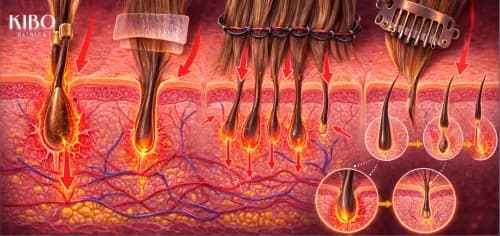
Hair extensions damage your hair through continuous 24-hour traction on attachment zones & the damage is silent until temple thinning and hairline recession become undeniable months later.
August 12, 2026 – 5 min read
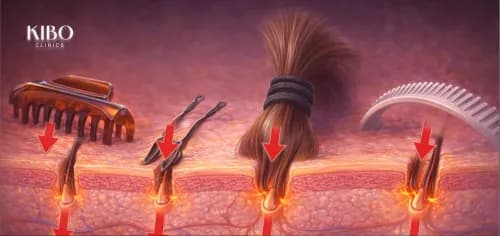
Yes, but usually because of repeated tension rather than because a claw clip, headband or pin is inherently harmful. The hairstyles which keep pulling on the hair can damage follicles and lead to traction alopecia.
August 21, 2026 – 5 min read
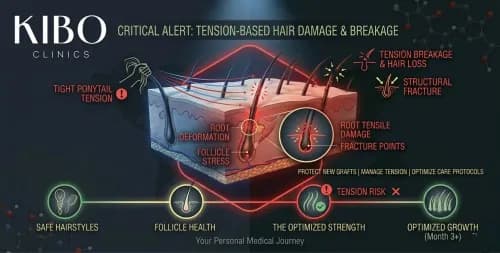
Every time you pull your hair into a ponytail, braid, or bun, you're applying mechanical force to thousands of individual follicles. Light, occasional tension is harmless.
August 12, 2026 – 5 min read

This guide explains what frequent salon blowouts can realistically damage and what they are less likely to cause. Repeated high heat can roughen the hair surface and increase breakage, while forceful brush tension can add mechanical stress. However, there is no good evidence that professional blowouts are automatically more damaging than home drying, that every salon dryer reaches a fixed extreme temperature, or that weekly blowouts inevitably cause traction alopecia. The article explains safer technique, who is more vulnerable, how to tell breakage from true shedding, and when progressive thinning needs a dermatologist-led assessment.
August 12, 2026 – 5 min read
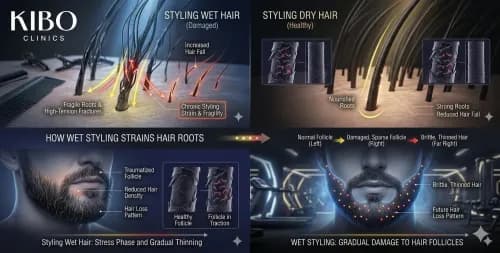
A science-based guide to why wet hair is structurally weaker than dry hair covering hydrogen bonds, cuticle lifting, root traction damage, the worst post-shower habits, and exactly how to handle wet hair to prevent breakage and follicle stress.
August 21, 2026 – 5 min read
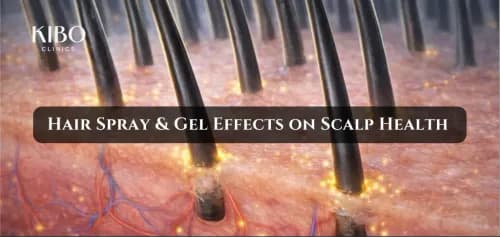
This guide debunks the oxygen myth, explains the three ways buildup actually damages follicles, and gives practical clarifying and application strategies that let you keep styling without damaging your scalp.
August 12, 2026 – 5 min read
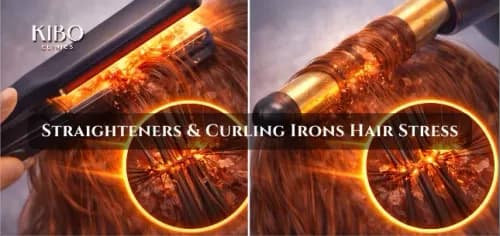
Straighteners and curling irons apply direct contact heat at 150 to 230 degrees Celsius instantly transferring heat through the cuticle into the cortex and denaturing structural proteins with every clamping session.
August 12, 2026 – 5 min read
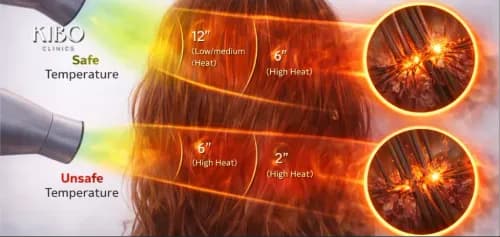
This guide explains whether hair dryer heat can cause hair loss, what heat actually does to the hair shaft and scalp, and why breakage can look like thinning even when follicles are still active. It also covers safe drying distance, heat settings, air-drying versus blow-drying, signs of scalp overheating, and when persistent shedding needs a medical review.
August 12, 2026 – 5 min read
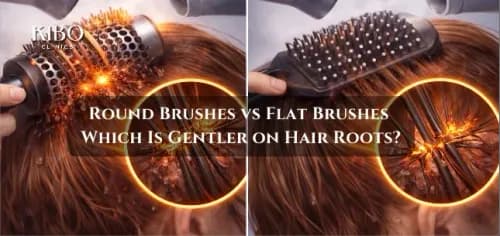
This guide compares the damage profiles of both brush types in detail, explains what is actually happening at the follicle during each styling session, and gives practical technique changes that reduce hair fall
August 12, 2026 – 5 min read
YOUR HAIR JOURNEY STARTS HERE