Discover expert insights on hair transplant procedures, FUE techniques, recovery tips, and hair restoration guides from Kibo's experienced team.
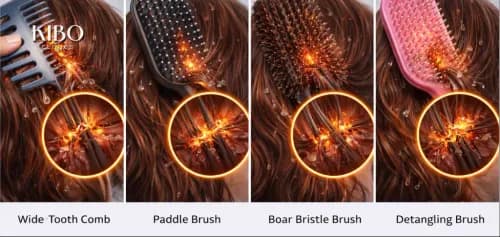
The brush or comb you use every day creates a specific and repeatable pattern of mechanical stress on your scalp and follicles.
August 12, 2026 – 5 min read

Gentle, occasional beard stroking is unlikely to cause patchy beard hair loss by itself. The risk changes when touching becomes repeated twisting, tight tugging or actual plucking: those behaviours can break the hair shaft, create traction on follicles or, when recurrent and difficult to control, fit trichotillomania. Touching can also transfer dirt and germs to the skin beneath the beard, which is a skin-care issue rather than proof of follicle damage. This guide separates breakage from follicular hair loss, explains how traction and beard trichotillomania differ from alopecia barbae, folliculitis and fungal infection, and shows what to do before assuming a beard habit is the cause of a bald patch.
August 21, 2026 – 5 min read

Glasses do not cause pattern baldness. But if you wear them 10 or more hours a day, the frame arms press against the same narrow band of follicles at your temples every single day. Over months and years, this sustained pressure reduces blood flow to those follicles, and the repeated friction of putting glasses on and off damages the hair shafts in the contact zone.
August 12, 2026 – 5 min read

Touching, twirling, or pulling your hair dozens of times a day creates cumulative mechanical stress that causes concentrated breakage and thinning exactly where you fidget most.
August 21, 2026 – 5 min read

This guide explains the exact mechanism behind sweating and hair loss during exercise, the early warning signs most active people miss, and the practical post-workout habits that stop new damage within weeks.
August 12, 2026 – 5 min read

The way you tie your hair matters more than you think. A tight elastic band wrapped around the same section of hair every day creates a concentrated zone of tension, friction, and breakage that can turn into visible thinning over months and years. A scrunchie distributes that same hold across a wider surface area with softer material, reducing the peak stress on any single follicle by 60 to 70 percent.
August 12, 2026 – 5 min read

Parting your hair in the same place every day exposes one strip of scalp to years of UV damage and mechanical tension causing a thinning part line that most people mistake for genetic hair loss.
August 12, 2026 – 5 min read

The way you sleep directly affects how much friction damage your hair accumulates every single night. If you sleep on your back with your head in one position for six to eight hours, the back of your head presses into the pillow creating constant friction at the occipital region and crown. If you sleep on your side, the friction concentrates on the temple and the side of your hairline where your head meets the pillow.
August 12, 2026 – 5 min read

If you commute with long hair and a backpack, your straps are most likely pulling, snagging, and snapping your hair every single day without you realising it. The damage happens at the point where your hair meets the strap across your shoulder, upper back, or neck. It is a form of mechanical hair breakage where repeated traction and friction combine to weaken the hair shaft in the same spot over and over again. You will not notice it immediately. But over weeks and months, you start seeing shorter broken hairs at that specific contact point, increased shedding after taking your bag off, and a thinning appearance along the sides and back of your hair that does not match the rest. The fix is simpler than you think, but first you need to understand exactly what is going on.
August 12, 2026 – 5 min read

Office chair headrests cause a form of mechanical hair damage called friction-induced breakage. This damage affects the hair shafts at the back of the head where repeated contact occurs across an eight-plus-hour workday. Unlike hormonal hair loss, this damage is purely physical. The headrest surface lifts and abrades the hair's outer cuticle layer through thousands of micro-friction events daily, eventually snapping the shaft.
August 12, 2026 – 5 min read
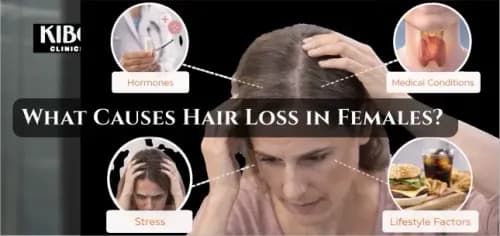
Female hair loss is rarely random. It's usually your body signaling that something is off hormones, nutrition, stress levels, or scalp health. The most common culprits are hormonal imbalances (PCOS, thyroid issues, postpartum changes), nutritional deficiencies (especially iron and vitamin D), and stress-related shedding. The good news? Many causes are reversible if caught early. But genetic thinning is progressive and needs a different approach. Understanding what's driving your hair loss is the first step to knowing what will actually help.
August 12, 2026 – 5 min read

How daily helmet and headgear use creates follicle stress through pressure, friction, and heat who is most at risk, what to do about it, and what it means for hair transplant recovery.
August 12, 2026 – 5 min read

Step-by-step preparation guide for Nashik patients traveling to Mumbai for hair transplant. Covers medical tests, medications to stop, travel planning, what to pack, and procedure day expectations.
August 12, 2026 – 5 min read

For outstation patients, deciding how to travel after a hair transplant is not just a logistics question. The choice between train, car, or flight affects comfort, swelling, posture, fatigue, and peace of mind during early recovery. This guide explains when it is safe to travel, compares each travel option in detail, and helps patients choose the best mode based on recovery stage rather than convenience alone.
August 12, 2026 – 5 min read
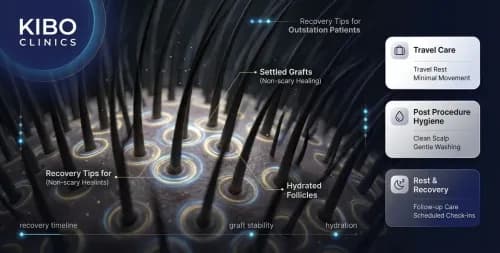
For outstation patients returning home after a hair transplant, recovery is not a passive waiting period. The days and weeks after travel directly influence graft survival, comfort, and long-term outcomes. This guide explains how to manage recovery once you are back home, what is normal, what requires attention, and how structured follow-up support plays a critical role in ensuring predictable healing.
August 12, 2026 – 5 min read

Many Nashik patients delay hair transplants due to fears about travel, pain, recovery, and costs. This guide addresses each concern with evidence-based answers to help patients make confident decisions.
August 12, 2026 – 5 min read

Nashik patients travelling to Mumbai for a hair transplant often underestimate how important the first few days after surgery are. Staying the right number of days is not about convenience or hotel bookings. It directly affects graft safety, swelling control, early recovery quality, and peace of mind. This guide explains how many days you should stay in Mumbai, what happens on each recovery day, and how to plan your return to Nashik without compromising long term results.
August 12, 2026 – 5 min read

Nashik patients worry about traveling after hair transplant in Mumbai. This guide covers graft safety during travel, when doctors clear patients, journey precautions, and remote recovery support after returning home.
August 12, 2026 – 5 min read

Many Nashik patients filter clinics by proximity, missing surgeon experience, donor planning, and graft handling quality. This guide explains what distance-based decisions overlook and how to evaluate clinics on outcome predictability.
August 12, 2026 – 5 min read

Choosing a nearby hair transplant clinic often feels like the easiest decision. Short travel, quick consultations, and lower upfront quotes can appear convenient. However, many patients later realise that proximity alone does not guarantee safety, natural results, or long term satisfaction. This guide breaks down the most common hair transplant mistakes patients make when selecting nearby clinics, explains how these errors affect outcomes, and helps you understand what truly matters when choosing the right centre for a life changing procedure
August 12, 2026 – 5 min read

For Nashik residents choosing between local clinics and expert centers in Mumbai. Compares surgeon involvement, graft handling, case volumes, and why results depend on execution quality.
August 12, 2026 – 5 min read

Hair transplant pricing cheaper in Nashik on day one can cost significantly more over five years. This comparison factors in revisions, maintenance, medications, and long-term stability.
August 12, 2026 – 5 min read

Budget hair transplants in smaller cities often advertise attractive upfront pricing, but hidden costs emerge months or years later, dramatically increasing total expenses. Common unexpected costs include revision surgeries for poor aesthetic outcomes (₹80,000-₹150,000), density correction procedures when initial grafts prove insufficient (₹60,000-₹100,000), donor area repair treatments for overharvesting damage (₹40,000-₹80,000), extended medication regimens compensating for suboptimal results (₹15,000-₹25,000 annually), and complication treatments for infections or scarring (₹20,000-₹50,000). Additional expenses include multiple follow-up visits, specialized therapeutic interventions, psychological counseling for disappointment, and opportunity costs from years of unsatisfactory appearance. Understanding these hidden costs reveals that cheap procedures frequently cost 2-3 times more than quality treatments when calculating total lifetime expenses.
August 12, 2026 – 5 min read

Hair transplants in Nashik appear cheaper but lower pricing can mask gaps in surgeon expertise, donor management, and aftercare. This reality check exposes what low prices actually mean.
August 12, 2026 – 5 min read

High-volume hair transplant clinics consistently deliver more predictable results due to standardized protocols, experienced surgical teams, and refined techniques developed through thousands of procedures. Clinics performing 500+ surgeries annually have established systems for donor assessment, graft handling, and aesthetic planning that minimize variability. Their surgical teams gain muscle memory and pattern recognition impossible to achieve with low case volumes. This operational excellence translates to higher graft survival rates, more natural-looking hairlines, and fewer complications. While proximity and cost matter, choosing a high-volume clinic significantly increases the likelihood of achieving your desired outcome with minimal revision risk.
August 12, 2026 – 5 min read
YOUR HAIR JOURNEY STARTS HERE