
The Impact of Sugar on Hair Health: Can a High-Glycemic Diet Cause Thinning?
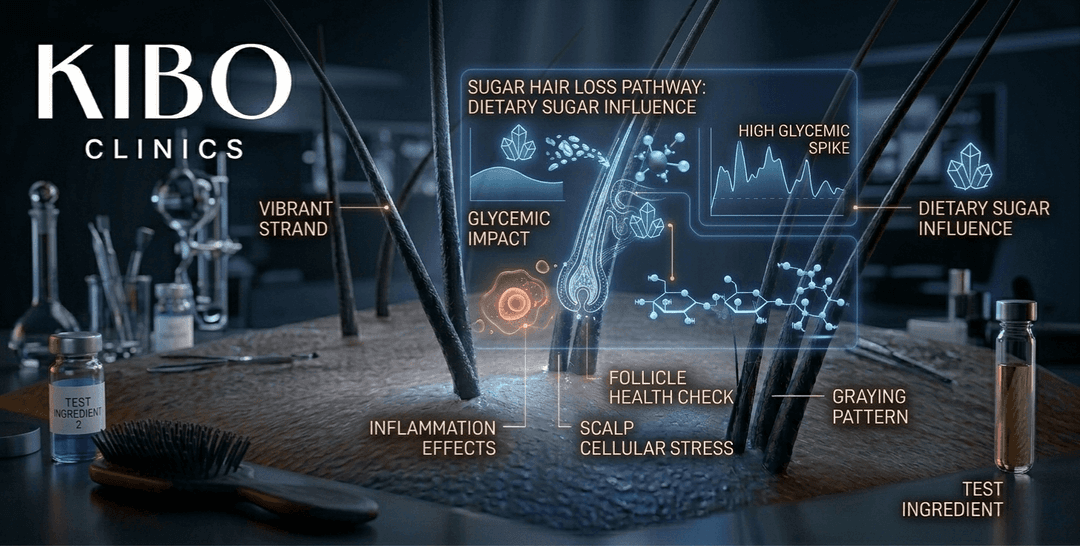
Published on Sat Apr 11 2026
You may notice more hair on your pillow after festive sweets or daily sugary tea. A high-glycemic diet can indirectly contribute to hair thinning by affecting scalp health, hormones, and inflammation levels. If your hair feels weaker despite using good products, your plate may be playing a bigger role than you think.
Hair growth depends on steady nourishment, balanced hormones, and a healthy scalp environment. When blood sugar levels rise quickly and frequently, the body responds with insulin spikes. Over time, this can disturb hormonal balance, increase inflammation, and reduce nutrient delivery to hair follicles. The result is not instant baldness, but gradual thinning, increased shedding, and weaker strands. Understanding this connection helps you take control before the damage becomes long term.
Why Did Neha’s Hair Start Thinning After Lifestyle Changes?
Neha, 29, moved to a metro city for work. Long office hours, daily coffee with sugar, late-night desserts, and frequent food delivery became normal. Within eight months, she noticed her ponytail felt thinner and her parting looked wider.
Initially, she blamed stress and pollution. She tried different shampoos and hair oils, but shedding continued. Blood tests later showed borderline insulin resistance and low vitamin D levels. Her dermatologist explained how repeated blood sugar spikes can worsen inflammation and affect hair growth cycles.
After adjusting her diet, adding protein, reducing refined sugar, and starting scalp-focused treatments, shedding reduced over four months. Her case highlights that hair thinning is often linked to internal metabolic changes, not just external care.
How Does High Sugar Intake Affect Hair Follicles?
Hair growth starts at the scalp. Healthy follicles require stable blood flow, oxygen, and nutrients.
When you consume high-glycemic foods like white bread, sugary drinks, sweets, or refined snacks, blood glucose rises quickly. The pancreas releases insulin to control this spike.
Frequent insulin spikes can lead to insulin resistance. This affects hormone balance, particularly androgens. Higher androgen activity can shrink hair follicles in genetically sensitive individuals.
Increased sugar intake also promotes inflammation. Chronic low-grade inflammation can disturb the hair growth cycle, pushing more follicles into the shedding phase.
Advanced glycation end products (AGEs) form when excess sugar binds to proteins. These compounds can weaken collagen and affect scalp elasticity, indirectly impacting follicle strength.
How Does Inflammation Link Sugar and Hair Loss?
Inflammation reduces efficient blood supply to follicles.
When scalp tissues are inflamed, oxygen and nutrients reach follicles less effectively. Over time, this weakens hair shafts and shortens the growth phase.
Inflammation may also worsen conditions like dandruff, seborrheic dermatitis, and scalp sensitivity, further stressing hair roots.
What Is the Connection Between Insulin Resistance and Hair Thinning?
Insulin resistance is when cells stop responding properly to insulin.
This condition increases circulating insulin levels, which can stimulate excess androgen production. In both men and women, elevated androgens can contribute to pattern hair thinning.
In women, insulin resistance is commonly linked with PCOS. Hair thinning around the crown or widening part line may appear along with acne or irregular periods.
In men, high insulin levels may accelerate genetically predisposed male pattern hair loss.
Not everyone who eats sugar will lose hair. Genetic susceptibility, overall diet quality, stress levels, and micronutrient status all influence outcomes.
How Does Sugar-Related Hair Thinning Show in Men and Women?
Men often notice recession at the temples and thinning at the crown. If they already have a family history of pattern baldness, high-glycemic diets may accelerate progression.
Women more commonly experience diffuse thinning. The part line becomes wider, and overall hair density reduces rather than forming bald patches.
Women with PCOS may also notice increased facial hair along with scalp thinning due to hormonal imbalance.
Both genders may report increased hair fall during combing and showering when blood sugar fluctuations are frequent.
| Aspect | Men | Women |
|---|---|---|
| Common Pattern | Temple recession, crown thinning | Diffuse thinning, wider part line |
| Hormonal Link | Increased androgen sensitivity | PCOS-related hormonal imbalance |
| Progression Speed | Can accelerate existing pattern baldness | Gradual overall density reduction |
What Daily Habits Make It Better or Worse?
Drinking multiple cups of sugary tea or coffee daily worsens blood sugar fluctuations.
Frequent consumption of white rice, bakery items, and packaged snacks increases glycemic load.
Skipping protein at breakfast can lead to energy crashes and more sugar cravings later in the day.
Chronic sleep deprivation increases cortisol, which further disturbs insulin balance.
On the helpful side, pairing carbohydrates with protein and fiber slows glucose absorption.
Regular physical activity improves insulin sensitivity.
Choosing whole fruits instead of fruit juices reduces rapid sugar spikes.
One common mistake is replacing sugar with excessive artificial sweeteners while keeping overall diet poor. The focus should be balanced nutrition, not just sugar removal.
What Helps First? (Relief Steps)
Start by reducing refined sugar gradually rather than stopping suddenly.
Increase protein intake through dal, eggs, paneer, tofu, or lean meats. Hair shafts are protein-based structures.
Add iron-rich and zinc-rich foods if blood tests show deficiency.
Aim for 7–8 hours of sleep to stabilize stress hormones.
Hydrate adequately to support scalp circulation.
In mild cases, reduced shedding may be noticed within 8–12 weeks after dietary correction. Visible density improvement usually takes 4–6 months because hair growth cycles are slow.
If thinning has progressed significantly, medical therapies such as PRP therapy, IV hair boosters, or advanced transplant techniques may be considered based on evaluation.
When to Meet a Hair Specialist
Hair shedding lasting more than three months despite lifestyle correction needs assessment.
Rapid thinning with visible scalp patches requires early consultation.
Women with hair loss plus irregular periods, acne, or weight gain should check for hormonal imbalance.
Men noticing sudden acceleration of pattern baldness in their 20s may benefit from early planning.
Persistent scalp itching, redness, or scaling should also be evaluated, as inflammation may worsen follicle damage.
Common Myths About Sugar and Hair Loss
Myth 1: Eating sweets once causes immediate hair fall.
Occasional sugar intake does not directly cause sudden hair loss. The issue is chronic high-glycemic patterns over time.
Myth 2: Sugar is the only dietary cause of hair thinning.
Hair health depends on total nutrition, including protein, iron, vitamin D, and B12 levels.
Myth 3: Switching to brown sugar solves the problem.
Brown sugar still raises blood glucose levels similarly to white sugar.
Myth 4: Hair products can fix sugar-related damage.
Topical products help scalp condition but cannot correct internal metabolic imbalance.
Myth 5: Only overweight people face sugar-related hair thinning.
Even people with normal weight can have insulin resistance and hormonal shifts.
Why Kibo Clinics for Sugar-Linked Hair Thinning
Many patients choose Kibo Clinics for metabolic and hormone-linked hair thinning because our approach addresses both hair restoration and long-term planning. We begin with comprehensive scalp assessment, hair and follicle analysis, and thorough lifestyle and environmental review.
Our No Ghost Surgery pledge ensures the consulting surgeon personally performs your entire procedure, maintaining consistent quality throughout the session. We don't delegate critical steps to technicians.
The Kibo Hair Analysis (scalp and follicle assessment) is the first step in understanding your specific condition. We provide education, guidance, and support without guarantees, exaggerated claims, or miracle cure promises.
For patients who require procedural intervention, we combine medical management with options such as PRP therapy, IV hair boosters, and advanced FUE techniques when appropriate. Follow-up and monitoring continue for up to 12 months to track progress and adjust the plan as your scalp health improves.
---
Worried that your diet may be affecting your hair density? Get a professional scalp and metabolic-linked hair assessment.---
Frequently Asked Questions
Can eating too much sugar cause hair thinning?
Excess sugar over time can contribute indirectly to hair thinning by increasing insulin levels and inflammation. It does not cause instant baldness. The effect depends on genetics, hormonal balance, and overall diet quality. Reducing sugar may help slow progression but may not fully reverse advanced hair loss.
How long after reducing sugar will hair fall improve?
Most people notice reduced shedding within 2–3 months if sugar was a major trigger. Visible density improvement may take 4–6 months. Hair growth cycles are slow, so patience is required. Severe thinning may need additional medical support.
Is insulin resistance linked to hair loss?
Yes, insulin resistance can increase androgen activity and inflammation. This may worsen pattern hair thinning in both men and women. However, not everyone with insulin resistance develops hair loss. Early management improves outcomes.
Does diabetes cause hair thinning?
Uncontrolled diabetes can affect circulation and nutrient delivery to hair follicles. This may lead to increased shedding or slower regrowth. Good glucose control helps protect overall hair health. Hair recovery varies between individuals.
Are low-glycemic diets good for hair growth?
Low-glycemic diets help stabilize blood sugar and reduce hormonal spikes. This creates a more supportive environment for follicles. They do not directly stimulate new hair growth but may reduce preventable shedding. Balanced nutrition remains essential.
Can sugar worsen PCOS-related hair loss?
High sugar intake can aggravate insulin resistance, which is central in PCOS. This may increase androgen levels and worsen scalp thinning. Dietary control often forms part of PCOS hair management. Medical supervision is recommended.
Will cutting sugar alone regrow lost hair?
If follicles are still active, lifestyle correction may improve thickness over time. If follicles have miniaturized significantly, regrowth may be limited. Advanced cases may require procedural treatments. Early action gives better results.
Is fruit sugar harmful for hair?
Whole fruits contain fiber, which slows glucose absorption. They are generally safer than processed sugary foods. However, excessive fruit juices can still spike blood sugar. Moderation and balance are key.
Disclaimer
This content is for informational purposes only and does not substitute personalized medical advice. The impact of sugar on hair health varies based on genetics, hormonal status, metabolic health, and existing hair conditions. Treatment responses differ between individuals, and no dietary or medical approach guarantees regrowth. Professional evaluation is recommended for persistent or progressive hair thinning.
Hair Transplant
Sapphire FUE | Direct Hair Transplant | Bio FUE | Corrective Transplant
Hair Regrowth
PRP Therapy | GFC Therapy | Mesotherapy | Microneedling
Must Read
Hair Transplant Guide | FUE Complete Guide | Procedure Steps | Results Timeline | Norwood Scale
Relevant Blogs
Hair Myths Busted | Hair Breakage Guide | DHT Blockers | Kibo Experience
---