
Kapil Sharma Hair Transplant, Wig or Natural Hair - What We Know
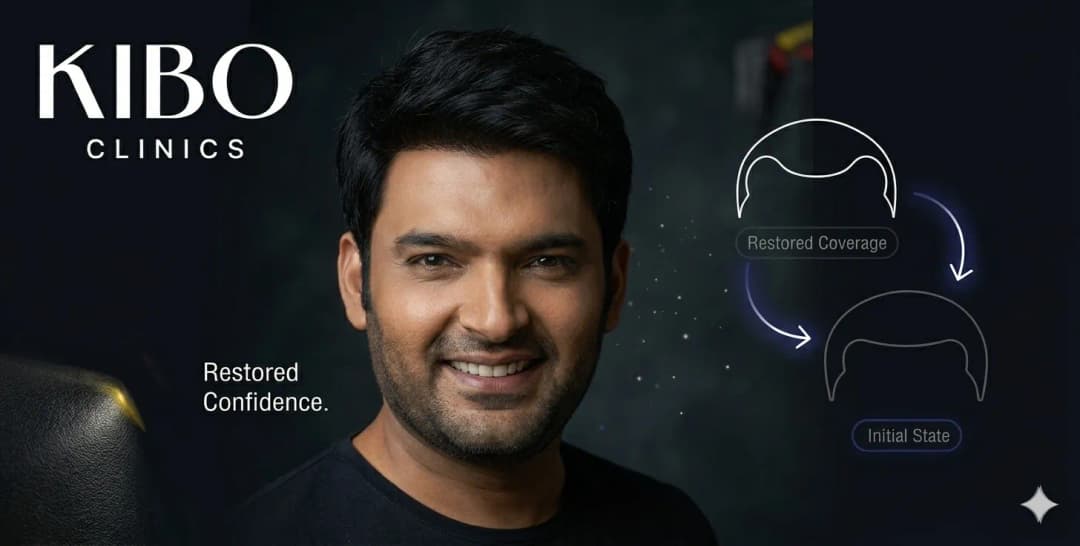
Published on Mon Apr 06 2026
Introduction: Kapil Sharma Hair Transformation and Public Curiosity
Kapil Sharma has spent over a decade in front of cameras, and with that level of public exposure comes intense scrutiny of his appearance. Over the years, many people have noticed a clear difference in how full and even his hair looks compared to older photographs. That observation alone is enough to fuel widespread debate, and understandably so.
The real takeaway for most readers is not whether a celebrity definitely had treatment. The more useful question is what actually causes these visible changes, how easy they are to misread, and what genuinely matters when you are personally making a decision about hair restoration.
The Story Behind the Transformation: Understanding Kapil Sharma's Hair Journey
Public discussion around Kapil Sharma's hair follows a familiar pattern seen with many television personalities. Older appearances seem to show thinning around the frontal hairline and crown, while newer shows present him with fuller and more uniform-looking hair. That visible difference is enough to start a strong online debate. Some people assume a transplant. Others believe the look is more consistent with a hair system. Many comparisons are built from selective before-and-after photos, which can make the transformation seem far more dramatic than it actually is.
This is why celebrity hair conversations often generate more noise than clarity. A different haircut, better lighting, product use, camera angle, and professional styling can all change how dense hair appears on screen. Without direct confirmation, any conclusion remains speculative.
Quick Comparison: Hair Transplant, Hair Patch, or Styling?
What People Say About Kapil Sharma's Hair
Many early photos of Kapil Sharma show signs of thinning, especially around the crown and frontal hairline. More recent television appearances show significantly fuller and more uniform hair. These differences are what lead some people to believe he underwent a form of hair restoration.
Another perspective suggests the noticeable improvement could come from a professionally fitted hair patch or wig. Supporters of this view point to the uniform density, consistent shape of the hairline, and the way his hairstyle remains similar across multiple appearances. For anyone weighing their own options, understanding the practical difference between surgery and wigs for daily comfort matters far more than speculating about a celebrity.
There is currently no public statement from Kapil Sharma or his team confirming any treatment. Without verified evidence, it is impossible to conclude whether his hair is natural, surgically restored, or cosmetically enhanced.
Why Celebrities Like Kapil Attract Hair Restoration Rumours
Public figures face intense inspection of their appearance across every platform. Several factors contribute to the widespread discussion around cases like this:
- Constant media exposure makes even minor thinning visible over time
- Ageing, stress, irregular schedules, and lifestyle factors can accelerate natural hair thinning
- Modern hair restoration has become far more accessible and less detectable
- Online audiences share and compare old and new photos, which often exaggerates the degree of change
Even small differences caused by grooming, lighting, or natural regrowth can be mistaken for major cosmetic procedures. This same pattern appears repeatedly in celebrity hair transplants where the actual procedure, if any, is far less dramatic than the online narrative suggests.
Hair Restoration or Enhancement Methods Commonly Used by Celebrities
Any of the following methods, or a combination, could explain observable changes in appearance. Understanding each one helps you make a more informed decision for yourself.
What is FUT (Follicular Unit Transplantation)?
FUT involves removing a strip of scalp from a donor area and dividing it into small grafts. These grafts are placed in areas of thinning or recession. FUT can provide a large number of grafts in one session and is sometimes suitable for advanced hair loss. It requires a longer healing period and generally leaves a linear scar in the donor region.
What is FUE (Follicular Unit Extraction)?
FUE involves individual extraction of follicular units which are then transplanted into thinning areas. This method offers minimal visible scarring and a faster recovery period. It is the preferred choice for people who want subtle results without noticeable marks. If you are evaluating this for yourself, this FUE transplant guide covers the full process step by step.
What is graft density planning or multi-unit grafting?
Some procedures use follicular units containing multiple hairs which are placed strategically to increase density. This method allows coverage that looks fuller while still appearing natural when blended with existing hair. It is also why two people with the same graft count can end up with very different visual results.
What is a non-surgical hair patch, wig, or hair system?
Non-surgical hair systems include patches, wigs, or custom pieces designed to match an individual's natural hair pattern. They provide immediate density and volume with zero recovery time, which makes them practical for individuals with demanding public schedules. The trade-off is ongoing maintenance and the lack of permanence that a surgical option provides.
If Kapil Sharma did opt for any form of enhancement, any of the above approaches could align with what is visually observable. Without confirmed information, this remains speculative.
Why It Is Impossible to Confirm What Exactly Happened
Even if his appearance has changed significantly, several factors make confirmation impossible:
- There is no interview or verified medical record confirming any treatment
- Natural hair regrowth patterns vary and can create misleading impressions
- Changes in grooming, styling, colour, and texture can make hair appear fuller
- High-quality wigs or patches can look extremely natural on camera
- Media reports and blogs often rely on selective images or assumptions
Lifestyle changes alone, such as better nutrition, reduced stress, or a consistent hair care routine, can visibly alter density and texture over time. Any conclusion about a transplant or hair system is purely speculative without verification from the individual.
Lessons for Anyone Considering Hair Restoration
People look at celebrities for inspiration, but personal hair restoration requires a completely different kind of decision-making. Here are the points that actually matter:
- Start with an honest assessment of your donor area quality before committing to any procedure
- Choose a method that fits your recovery window and daily lifestyle, not just the end result
- Understand that full results from any surgical procedure take months, and knowing your hair growth timeline prevents unnecessary anxiety mid-way through
- Maintain scalp health with consistent hygiene and balanced nutrition as a baseline for any treatment to work effectively
- Think beyond the procedure itself and plan for long-term maintenance so results hold over years, not just months
Frequently Asked Questions
Did Kapil Sharma get a hair transplant or use a hair patch?
There is no confirmed information. All claims are speculative, based on observation and online discussion. Neither Kapil Sharma nor his team has made any public statement about a procedure.
Could his current hair be natural?
Yes. Improvements can occur due to changes in hair care, styling, nutrition, or natural cycles of hair growth. Visual comparisons alone cannot confirm any specific procedure.
What hair restoration options are suitable for thinning hair?
Common options include FUE, FUT, multi-unit grafting, and non-surgical solutions such as hair patches or wigs. The right choice depends on donor area quality, lifestyle, and personal preferences.
Which method suits someone who wants minimal scarring and a faster return to routine?
FUE or non-surgical hair systems are the most common choices for individuals who want minimal visible signs and quicker recovery without compromising on natural appearance.
Does a hair transplant guarantee a permanent dense hairline?
Transplanted hair is generally permanent, but existing non-transplanted hair may continue thinning based on genetics and lifestyle. Ongoing maintenance remains important for long-term results.
What factors should be evaluated before deciding on hair restoration?
Essential considerations include donor area quality, surgeon experience, realistic graft planning, post-procedure support, and long-term maintenance expectations before committing to any treatment.
Key Takeaways
The discussion around Kapil Sharma's hair reflects a broader public curiosity about how visible transformations happen, and whether they are achievable for ordinary people. Since no confirmed information exists, all claims remain speculative. For anyone considering hair restoration, the only thing that genuinely matters is a clear-eyed evaluation of your own scalp, a realistic plan, and guidance from professionals who put your long-term outcome first.
Why Kibo Clinics
At Kibo Clinics, hair restoration planning starts with scalp condition, donor capacity, long-term goals, and realistic expectations. The focus is never on chasing celebrity comparisons but on honest assessment and treatment choices built around the individual. Results may vary from person to person.
This information is published by Kibo Clinics for educational purposes only and does not substitute professional medical advice. Kapil Sharma has never publicly confirmed a hair transplant; any discussion of his case is based on visual analysis and public speculation, not fact. Hair restoration results vary by individual. Always consult a licensed, qualified hair transplant surgeon or dermatologist for a personal evaluation before making any medical decisions.
Related Articles & Services
Hair Transplant
Receding Hairline FUE Guide | Hair Transplant Procedure Steps
Hair Regrowth
PRP vs PRF for Hair Growth | Mesotherapy for Hair Loss
Must Read
Complete Hair Transplant Guide | Hair Transplant Healing and Recovery
Relevant Blogs
Virat Kohli Hair Transplant Guide | MS Dhoni Hair Transplant Guide | Rohit Sharma Hair Transplant Guide