
The Best Superfoods for Hair Density: What to Eat Daily
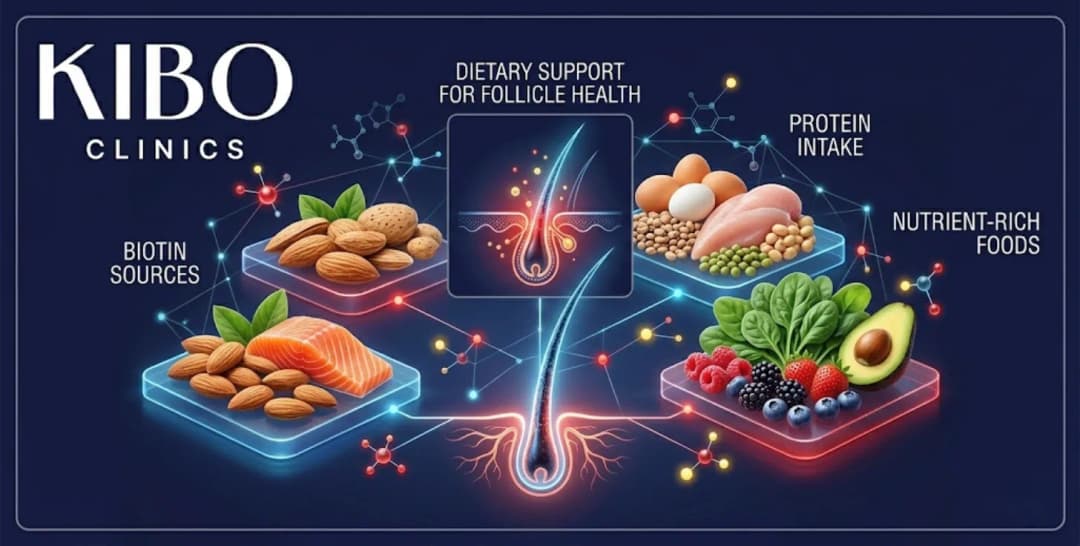
Published on Thu Apr 09 2026
The Best Superfoods for Hair Density: What to Eat Daily
You notice more hair in the shower drain and your ponytail feels thinner each month. Hair density often drops slowly, and diet plays a bigger role than most people realise. The right superfoods support scalp health, strengthen follicles, and help maintain thickness over time.
Hair is made of protein and grows from living follicles that need nutrients daily. When your body lacks iron, protein, vitamins, or healthy fats, hair is one of the first areas to show change. Food alone may not reverse advanced hair loss, but consistent nutrition improves hair quality, reduces shedding, and supports medical treatments if needed.
A Simple Story: When Food Made a Difference
Ritika, 29, from Pune, noticed her hair part widening after a stressful year at work. She skipped meals, depended on coffee, and rarely ate fresh fruits or proteins. Within six months, her hair felt flat and lifeless.
She tried changing shampoos and oils, but nothing improved. Blood tests later showed low iron and vitamin D levels. Her dermatologist advised diet correction along with supplements.
Within four months of adding iron-rich foods, eggs, nuts, seeds, and seasonal fruits, shedding reduced. Her hair did not become dramatically thicker overnight, but texture improved and baby hairs started appearing near her hairline.
What Nutrients Actually Increase Hair Density?
Hair density depends on how many follicles are actively producing thick strands. This process begins at the scalp level.
A healthy scalp has good blood circulation and balanced oil production. Nutrient-rich blood delivers oxygen and building blocks to follicles. When circulation is poor or deficiencies exist, follicles shrink and produce thinner strands.
Protein is the main structural component of hair. Without adequate protein intake, the hair growth cycle shortens.
Iron supports oxygen delivery to follicles. Low iron levels are a common cause of diffuse thinning, especially in women.
Biotin, zinc, and B-complex vitamins help follicle metabolism. These micronutrients support keratin production and repair.
Omega-3 fatty acids reduce inflammation around hair roots. Chronic inflammation can weaken follicles.
Vitamin D plays a role in activating dormant follicles. Low levels are often seen in people with excessive shedding.
How Do Hormones and Stress Connect to Nutrition?
Poor nutrition increases stress hormone levels in the body. Elevated cortisol can push hair into the shedding phase earlier.
Blood sugar spikes from processed foods may worsen hormonal imbalance, particularly in women with PCOS. Stable blood sugar supports balanced hair growth cycles.
What Are the Best Superfoods to Eat Daily for Hair Density?
Below are practical superfoods that support hair health when eaten consistently.
Eggs
Eggs provide complete protein and biotin. They help strengthen weak strands and reduce breakage.
One egg per day is generally sufficient for most adults unless medically restricted.
Spinach and Leafy Greens
Spinach is rich in iron, folate, and vitamin C. These nutrients improve oxygen flow to follicles.
Cooking spinach lightly improves iron absorption.
Amla (Indian Gooseberry)
Amla contains high vitamin C, which supports collagen production and scalp health.
It can be consumed fresh, as juice, or powdered.
Nuts and Seeds
Almonds, walnuts, flaxseeds, and pumpkin seeds provide zinc, omega-3s, and vitamin E.
A small handful daily supports scalp circulation and reduces dryness.
Lentils and Beans
Plant-based protein sources such as moong dal, rajma, and chickpeas help maintain steady keratin production.
They also provide iron and zinc.
Fatty Fish
Salmon and sardines contain omega-3 fatty acids and vitamin D.
These nutrients reduce inflammation and support follicle activation.
Greek Yogurt or Curd
Rich in protein and probiotics, curd supports gut health. Healthy digestion improves nutrient absorption, which directly affects hair quality.
Sweet Potatoes
They contain beta-carotene, which converts to vitamin A. Balanced vitamin A supports scalp oil production.
Excess supplementation should be avoided, but natural food sources are beneficial.
How Does Hair Density Loss Show in Men and Women?
In men, reduced density often appears first at the temples or crown. It may gradually progress into pattern baldness.
In women, density loss usually presents as widening of the part line. The hairline often remains intact, but overall thickness decreases.
Women are more prone to iron deficiency-related thinning. Men are more affected by DHT-related follicle miniaturisation.
Both genders benefit from nutritional correction, but advanced genetic hair loss may require medical intervention alongside diet.
What Daily Habits Make It Better or Worse?
Skipping meals reduces steady nutrient supply to follicles.
Crash dieting causes sudden shedding known as telogen effluvium.
Excess sugar intake triggers inflammation and hormonal imbalance.
Overuse of heat styling damages hair shafts, making density appear worse.
On the positive side, regular protein intake improves strand thickness.
Drinking adequate water maintains scalp hydration.
Managing stress through sleep and exercise supports balanced hair cycles.
Avoid self-prescribing high-dose supplements without testing. Over-supplementation, especially vitamin A, can worsen shedding.
What Helps First? (Relief Steps)
Start by including one protein source in every meal.
Add one iron-rich food daily if you are prone to deficiency.
Replace one processed snack with nuts or seeds.
Reduce sugary beverages.
Visible reduction in shedding may begin within 6 to 8 weeks.
Improvement in density typically takes 3 to 6 months because hair growth cycles are slow.
Consistency matters more than occasional healthy eating.
When to Meet a Hair Specialist
Hair shedding lasting more than three months needs evaluation.
Sudden clumps of hair loss require medical assessment.
Thinning combined with irregular periods or weight gain may indicate hormonal imbalance.
Itchy scalp, redness, or scaling suggests scalp inflammation.
If diet correction does not reduce shedding after four months, further investigation is needed.
Common Myths About Superfoods and Hair Density
Myth 1: Eating one “magic” food will regrow lost hair.
Hair growth depends on multiple nutrients and internal balance. No single food can reverse genetic baldness.
Myth 2: More supplements mean faster growth.
Excess vitamins can cause toxicity and worsen shedding.
Myth 3: Only non-vegetarians can achieve thick hair.
Well-planned vegetarian diets provide sufficient protein and iron.
Myth 4: Oiling alone improves density.
Oils condition the hair shaft but do not correct nutritional deficiencies.
Why Kibo Clinics for Hair Density Concerns
Many patients choose Kibo Clinics for hair thinning because our approach addresses both scalp health and long-term hair planning. We begin with comprehensive scalp assessment, hair and follicle analysis, and thorough lifestyle and environmental review.
Our No Ghost Surgery pledge ensures the consulting surgeon personally performs your entire procedure, maintaining consistent quality throughout the session. We don't delegate critical steps to technicians.
The Kibo Hair Analysis (scalp and follicle assessment) is the first step in understanding your specific condition. We provide education, guidance, and support without guarantees, exaggerated claims, or miracle cure promises.
For patients who need more than diet correction, options such as PRP therapy, IV hair boosters, and advanced transplant planning may be discussed. We also provide structured 12-month monitoring to track progress, adjust strategies, and guide maintenance based on individual response.
---
If you are noticing reduced hair density despite eating well, a structured scalp assessment can clarify the root cause.
---
Frequently Asked Questions
Can superfoods really increase hair density?
They support the biological process required for thicker hair. If thinning is due to nutritional deficiency, diet correction helps significantly. However, genetic baldness may require medical treatment alongside dietary changes.
How long does it take to see results from diet changes?
Reduced shedding may be noticed in 6 to 8 weeks. Visible improvement in density usually takes 3 to 6 months because hair growth cycles are slow. Severe deficiencies may take longer to correct.
Is biotin supplementation necessary for everyone?
Not always. Most people get enough biotin from food. Supplementation helps mainly in confirmed deficiency cases. Excess intake does not guarantee faster growth.
Which fruit is best for hair thickness?
Amla and citrus fruits are helpful due to high vitamin C content. They support collagen production and iron absorption. However, fruits alone are not enough without protein and iron intake.
Can vegetarians maintain good hair density?
Yes, if protein sources like lentils, beans, dairy, nuts, and seeds are included daily. Monitoring iron and B12 levels is especially important.
Does drinking milk improve hair growth?
Milk provides protein and calcium. It supports overall nutrition but is not a standalone solution for hair thinning.
Are IV hair boosters better than food?
IV boosters help when deficiencies are significant or absorption is poor. They are not substitutes for balanced daily nutrition.
Can diet reverse genetic hair loss?
Diet supports overall hair quality but cannot fully reverse advanced genetic baldness. Medical therapies may be required for long-term density maintenance.
Disclaimer
This content is for informational purposes only and does not substitute personalized medical advice. Hair density varies based on genetics, hormones, and health conditions. Nutritional changes may support improvement but do not guarantee reversal of hair loss. Professional consultation is recommended for persistent or severe thinning.
Hair Transplant
FUE Hair Transplant | Sapphire FUE | Direct Hair Transplant | Bio FUE | Corrective Transplant
Hair Regrowth
PRP Therapy | GFC Therapy | Mesotherapy | Microneedling
Must Read
Hair Transplant Guide | FUE Complete Guide | Procedure Steps | Results Timeline | Norwood Scale
Relevant Blogs
Hair Myths Busted | Hair Breakage Guide | DHT Blockers | Kibo Experience
---