
Quick Summary
Hair sprays and gels do not block oxygen to your follicles — follicles get oxygen from blood flow beneath the scalp, not from surface air. The real damage from hair gel and hair spray comes from product buildup creating a sticky layer that clogs follicle openings, triggers chronic inflammation, traps bacteria, and disrupts normal scalp function. This leads to breakage, increased shedding, and scalp irritation that weakens hair over time. The solution is not giving up styling products entirely — it is using them smarter and cleaning more effectively.
The Morning Ritual That Started It All
Raj had been using the same strong-hold gel every morning for eight years. Apply, style, go. It worked perfectly for his presentations at work. Then one evening, his barber pointed to his hairline: "Your scalp looks irritated. Are you using a lot of product?" Raj dismissed it — just dry skin, maybe stress.
But three months later, he noticed his pillow had more hair on it than usual. His scalp itched constantly, especially where he applied the gel thickest.
A friend told him the problem was simple: "Hair products suffocate your follicles. They block oxygen." Panicked, Raj threw out all his styling products. But the shedding did not stop. That is when he realised something else was happening — something his friend's explanation did not account for.
The Oxygen Myth Nobody Questions
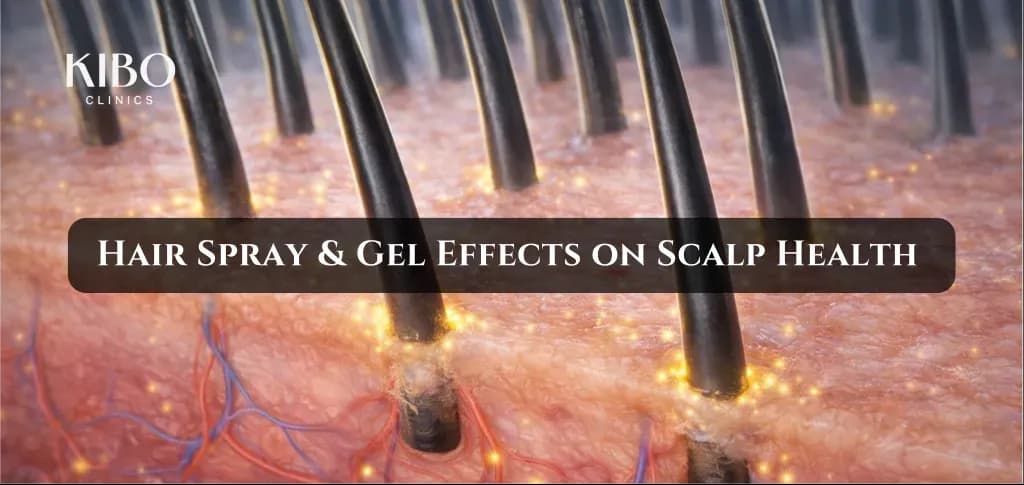
Here is what everyone gets wrong: your hair follicles do not breathe through your scalp surface. They are not plants with leaves absorbing air. Each follicle sits 3 to 4 millimeters beneath your skin, surrounded by a network of tiny blood vessels called capillaries. These vessels deliver oxygen and nutrients directly to follicle cells through your bloodstream.
Think of it like your brain or your kidneys. They need oxygen, but not from breathing air directly onto them. They get it through circulation. Your follicles work the same way.
So when someone says hair products suffocate follicles by blocking air, they are describing a problem that does not exist. But that does not mean styling products are harmless. The damage they cause is real — it is just happening through a completely different mechanism that most people do not understand.
What Is Actually Happening on Your Scalp
Every time you spray or gel your hair, microscopic particles settle on your scalp. Initially, it is a thin film you barely notice. But over days and weeks, the following accumulate:
- The polymers that give your gel its hold
- The solvents and propellants from your hairspray
- Your scalp's natural oil production
- Dead skin cells that shed normally
- Sweat from your daily activities
These substances mix together into a sticky, waxy layer that does three damaging things:
1. Physically clogs follicle openings — new growth pushes against resistance where follicle openings are blocked, creating stress on the emerging hair shaft and follicle structure.
2. Triggers inflammation — trapped bacteria, dirt, and sebum cause your immune system to respond. You feel it as itching, redness, or small bumps along your hairline. Chronic inflammation weakens the entire follicle structure, making hair easier to shed and slower to regrow.
3. Disrupts normal scalp function — your scalp regulates temperature, produces protective oils, and maintains healthy pH balance. When product buildup creates a chemical coating, these processes get disrupted and blood circulation at the surface level becomes less efficient, indirectly affecting nutrient delivery to follicles.
Product Type vs Buildup Risk
| Product Type | Key Ingredients That Build Up | Ease of Removal | Scalp Buildup Risk | Best Practice |
|---|---|---|---|---|
| Strong-hold gel | Heavy polymers, PVP, carbomers | Moderate — needs thorough massage to break down | Highest | Apply to mid-lengths only; weekly clarify |
| Hair spray | Polymers, propellants, alcohol, fragrance | Easy if held at distance; harder if sprayed close | High when sprayed directly at scalp | Hold 8–10 inches from head; spray on hair not scalp |
| Pomade / wax | Waxes, petroleum, mineral oil, lanolin | Hard — often needs clarifying shampoo to remove fully | High | Use sparingly; clarify twice weekly |
| Dry shampoo | Starch, talc, fragrance, propellants | Easy to remove but adds residue layer on existing buildup | Medium-High when overused | Max 2 days between washes; never on sweaty hair |
| Water-based mousse / cream | Light polymers, water, conditioning agents | Easy — rinses out thoroughly with regular shampoo | Low to Medium | Best option for regular daily use |
| Silicone-heavy serum | Dimethicone, cyclomethicone, amodimethicone | Hard — creates water-resistant coating that resists regular shampoo | High with repeated use | Apply to ends only; clarify weekly |
Early Signs People Ignore
The warning signs show up gradually, making them easy to dismiss.
- Scalp feels sticky or greasy within hours of washing — not the natural oil your scalp should produce, but a waxy residue that does not feel clean
- Constant low-level itching — especially along the hairline, during meetings or while watching TV, without intense irritation
- Sticky flakes along the part line and around the ears — not dry dandruff that brushes off, but clumps that cling to hair strands
- Hair looks flat and lifeless even right after styling — weighed down by accumulated product layers you can feel but cannot see
- Small bumps along the hairline, temples, or crown — inflamed follicles reacting to trapped debris, not pimples
- Increased breakage when combing, especially near the roots — strands feel brittle and snap with minimal pressure
- More hair in the shower drain, on the pillow, in the brush — not dramatic shedding, just a slow increase that compounds over months
Daily Habits That Make It Worse
Applying product every single morning without exception — never giving your scalp a day to recover and self-cleanse.
Spraying directly at the roots to get maximum hold, rather than focusing on the hair lengths where styling control actually matters.
Using hot styling tools after applying products — essentially baking the chemicals onto your scalp. Heat hardens the residue and makes it much harder to remove with regular washing.
Layering products — gel for hold, spray for shine, pomade for texture — creating a thick coating that no single shampooing can penetrate.
Relying on dry shampoo between washes thinking it is keeping hair clean. Dry shampoo just absorbs surface oil while adding another layer of powder and fragrance to the existing buildup. It is not a cleaning substitute.
Washing hair without focusing on the scalp — massaging shampoo through the lengths and rinsing quickly leaves the real problem untouched. The buildup on your scalp skin barely gets cleaned in this approach.
Styling on damp hair — trapping water beneath the product layer and creating an ideal environment for bacteria to multiply. Understanding wet hair styling and root vulnerability explains why this combination is particularly damaging.
What Actually Helps
Use a weekly clarifying shampoo specifically designed to break down product buildup. Unlike regular shampoo, clarifying formulas contain stronger cleansing agents that cut through polymer layers, waxy deposits, and mineral accumulation from water.
When you shampoo, focus on your scalp — not just your hair. Use your fingertips, not your nails, to massage in small circles for two to three full minutes. Pay special attention to your hairline, the crown, and anywhere you typically apply the most product. Then rinse for at least 90 seconds with warm water.
Change how you apply products. Most styles do not actually need product at the root level. Focus on mid-lengths and ends where you need control and texture. When using spray, hold the bottle at least 8 to 10 inches from your head so the mist settles on hair rather than directly coating your scalp.
Take regular breaks from products. Go completely product-free one or two days each week. This gives your scalp time to reset, produce natural oils at normal levels, and clear out residual buildup through its natural self-cleaning processes.
Choose water-based formulations rather than oil-based or wax-heavy alternatives — they rinse out more easily. Avoid products listing alcohol as one of the first three ingredients, as high alcohol content strips natural oils and triggers compensatory sebum overproduction that mixes with product residue.
Consider periodic scalp exfoliation using gentle scrubs with salicylic acid or natural enzymes. These break down dead skin cells and product residue without harsh physical scrubbing — removing the layer of buildup that regular cleansing cannot quite reach.
When Home Remedies Are Not Enough
Sometimes, despite changing products and improving your washing routine, the problems persist. Your scalp stays inflamed, the itching does not stop, and the shedding continues. This suggests the issue has moved beyond simple buildup into actual follicle damage or infection.
Folliculitis — inflammation and infection of hair follicles — can develop when buildup creates an environment where bacteria thrive. Once established, folliculitis will not resolve just by eliminating products. It needs targeted treatment to clear the infection and reduce inflammation before follicle health can recover.
Prolonged inflammation also disrupts the normal hair growth cycle and shedding patterns. Follicles that should be actively producing hair get pushed prematurely into the resting phase. Even after you remove the trigger, it takes time for these follicles to reset and resume normal activity.
Sometimes what looks like product damage is actually pattern hair loss that styling habits have accelerated. The buildup and inflammation do not cause the genetic thinning, but they create additional stress on already vulnerable follicles, speeding up a process that was going to happen anyway. Distinguishing between these scenarios requires expertise and often diagnostic imaging.
If shedding does not improve after three months of proper cleansing and product elimination, professional evaluation is necessary to identify other causes.
Why Kibo Clinics
At Kibo Clinics, we do not just tell you to stop using products and hope it gets better. We identify exactly what is happening on your scalp and why, then create a plan that addresses both immediate symptoms and long-term scalp health.
Our comprehensive scalp analysis uses advanced imaging to see what is invisible to the naked eye: the severity of buildup, inflammation patterns, follicle health, and whether underlying conditions are complicating what looks like a simple product problem. We examine your complete hair care routine, the specific products you use, how you apply them, and how you cleanse.
We do not believe in one-size-fits-all solutions. If simple buildup is your only issue, we provide targeted cleansing protocols and product recommendations that let you keep styling your hair without damaging your scalp. If we identify folliculitis, dermatitis, or other complications, we implement medical-grade treatments like PRP therapy or mesotherapy for hair regrowth to restore health before optimising your maintenance routine.
Our 12-month hair journey includes ongoing scalp health monitoring because we know changing decades-old habits requires support. We track how your scalp responds to protocol changes, adjust recommendations based on results, and help you maintain healthy follicles while achieving the styles you want. This is not a one-time consultation — it is a partnership focused on sustainable scalp health.
Get a call back to understand your hair loss stage and the best next step by certified doctor.
Frequently Asked Questions
Q: Do hair follicles actually need oxygen from the air to grow healthy hair? No, hair follicles do not get oxygen from air exposure. They are located 3 to 4 millimeters beneath your scalp surface, embedded in skin tissue. All their oxygen comes through blood capillaries that surround the follicle base. Oxygen diffuses from red blood cells directly into follicle cells through capillary walls — the same way every other organ in your body receives oxygen through circulation. Surface air exposure has zero impact on follicle oxygenation. The "hair needs to breathe" concept is a complete myth. However, healthy blood circulation in your scalp is crucial — anything that impairs blood flow, like chronic inflammation, can reduce oxygen delivery to follicles through the vascular system.
Q: Can daily use of hair spray permanently damage my hair follicles? Daily hair spray use alone rarely causes permanent follicle damage, but it can create conditions that lead to temporary shedding and, over time, potentially worsen underlying hair loss. The main risks are product buildup clogging follicle openings and triggering folliculitis — an inflammatory condition that weakens hair anchoring. If chronic inflammation persists for months or years without treatment, it may accelerate genetic hair loss patterns. The key factor is proper removal. If you thoroughly cleanse buildup regularly and give your scalp regular product-free days, daily spray use is unlikely to cause lasting damage.
Q: How can I tell if I have product buildup versus regular dandruff? Product buildup and dandruff look similar but feel and behave differently. Dandruff creates dry, white, powdery flakes that fall freely from your scalp. Product buildup creates sticky, waxy, or greasy flakes that are yellowish or grayish in color and cling to hair strands and scalp rather than falling away easily. Your scalp feels tacky or greasy even right after shampooing. A simple test: use a clarifying shampoo and thoroughly cleanse your scalp. If the flaking dramatically improves or disappears after one deep cleanse, it was likely product buildup. If flaking persists, you are probably dealing with dandruff.
Q: Are water-based styling products actually safer for my scalp? Generally yes — water-based products rinse out more thoroughly with regular shampooing, reducing the accumulation that causes problems over time. However, water-based does not automatically mean scalp-safe. Some water-based products still contain high alcohol concentrations that can dry and irritate scalp skin. Look for water or aqua as the first ingredient, avoid high alcohol content if you have sensitive or dry scalp, choose non-comedogenic products that will not clog pores, and avoid heavy silicones like dimethicone that create water-resistant coatings. Even good products cause problems if you do not cleanse them out properly.
Q: How often should I use clarifying shampoo to prevent buildup? For most people using styling products daily, once weekly clarifying is the sweet spot. This removes accumulated residue without over-stripping the natural oils that protect your scalp. If you use minimal products or only style occasionally, once every two weeks might be enough. If you use multiple layered products daily, exercise frequently, or have a naturally oily scalp, twice weekly may be needed. Always follow clarifying with a moisturising conditioner on your hair lengths to prevent dryness. If your scalp feels tight, dry, or irritated after clarifying, you are doing it too often.
Q: Can I still get folliculitis from gel even if I wash my hair every day? Yes. The issue is usually not washing frequency but washing technique. If you are not massaging shampoo thoroughly into your scalp skin, or not rinsing completely, gel residue remains trapped in follicle openings even after daily washing. For gel users prone to folliculitis: apply product only to mid-lengths and ends rather than roots, massage your scalp thoroughly with fingertips during every shampoo, rinse completely for at least 90 seconds, and wash immediately after workouts when sweat and gel create an especially problematic mixture.
Q: What specific ingredients in hair products cause the most scalp problems? High alcohol content — especially denatured alcohol listed among the first few ingredients — severely dries scalp skin and causes compensatory oil overproduction. Heavy silicones like dimethicone and amodimethicone create water-resistant coatings that are difficult to remove completely. Synthetic fragrances and artificial dyes are common allergens that can trigger contact dermatitis. Certain styling polymers like polyquaternium compounds build up heavily if not regularly clarified. Mineral oil and petroleum derivatives can clog pores in some people. The most problematic combinations are high alcohol paired with heavy silicones, or multiple polymers layered together when you are not clarifying regularly.
Q: If I stop using styling products, how long until my hair shedding improves? For straightforward buildup-related shedding without follicle damage, you might notice reduced shedding within 3 to 4 weeks as inflammation resolves. If the buildup triggered folliculitis or significant inflammation, it typically takes 8 to 12 weeks for affected follicles to complete their growth cycle and produce new, healthier hair after the trigger is removed. If underlying genetic pattern hair loss exists and product buildup simply accelerated it, eliminating products will slow progression but will not completely stop hereditary thinning. If shedding does not improve after three months of proper cleansing and product elimination, professional evaluation is necessary.
Key Takeaways
- Does hair gel cause hair loss? Not directly — but product buildup from gel clogs follicle openings, triggers inflammation, and creates conditions that accelerate shedding
- Hair spray side effects on the scalp are caused by polymer and propellant deposits settling on the scalp, not by blocking oxygen — follicles get oxygen from blood flow, not surface air
- Water-based, lightly-formulated products reduce buildup risk significantly compared to wax-based, silicone-heavy, or high-alcohol formulations
- Weekly clarifying shampoo with thorough scalp massage is the single most effective preventive habit for product users
- Persistent shedding, itching, or small bumps that do not resolve after three months of improved cleansing need professional trichoscopy to rule out folliculitis or genetic thinning
Hair Transplant
FUE Hair Transplant | Sapphire FUE Hair Transplant | Direct Hair Transplant (DHT) | Corrective Hair Transplant | Hairline Correction
Hair Regrowth
PRP Therapy | GFC Therapy | Mesotherapy for Hair Regrowth | Microneedling for Hair Regrowth | Low Level Laser Therapy (LLLT)
Must Read
Hair Breakage Causes and Treatments | Hair Loss Types, Symptoms and Causes | Hair Dryer Heat and Follicle Safety | Wet Hair Styling and Root Vulnerability | Hair Elasticity and Stress Resistance
Relevant Blogs
Round Brush vs Flat Brush Hair Roots | Straighteners and Curling Irons Hair Stress | Frequent Salon Blowouts Hair Damage | Tension-Based Hair Damage from Styling | Hair Accessories Hidden Pulling
Medical Disclaimer : Information from Kibo Hair Clinics is for educational purposes only. It does not replace diagnosis, trichoscopy, blood test interpretation, prescription treatment, procedure advice, or side-effect counselling from a qualified dermatologist or hair restoration doctor.