
Why Does My Scalp Itch After a Hair Transplant?
That constant tickling or prickling on your scalp after a hair transplant can feel annoying and worrying. Mild to moderate itching is actually a common part of healing, caused by scab formation, nerve recovery, and new follicle adjustment. In most cases, it improves within days to weeks with proper care.
After a transplant, your scalp goes through controlled trauma and repair. Tiny graft sites begin healing, blood supply reconnects, and new follicles settle into their position. As skin regenerates, itching is a natural response. The key is knowing what is normal, what is not, and how to manage it safely without harming grafts.
Raj’s Experience: “Is This Itching Normal?”
Raj, 32, from Bengaluru, had an FUE hair transplant after years of thinning at the crown. On day four, he started feeling intense itching in both donor and recipient areas. He worried that something had gone wrong.
In the first week, small scabs formed around each graft. As they dried and began shedding, the itching increased. He tried tapping gently but avoided scratching. By week two, the sensation reduced significantly.
With proper washing technique and prescribed lotion, his scalp healed well. By the end of the first month, the itching was almost gone, and new hair growth signs appeared. His experience reflects what many patients go through during recovery.
Why Does the Scalp Itch After a Hair Transplant?
Itching begins with scalp healing.
First, the skin barrier is temporarily disrupted. During FUE or Sapphire FUE procedures, tiny incisions are made to place grafts. As these micro-wounds close, the body releases inflammatory chemicals that trigger mild itching.
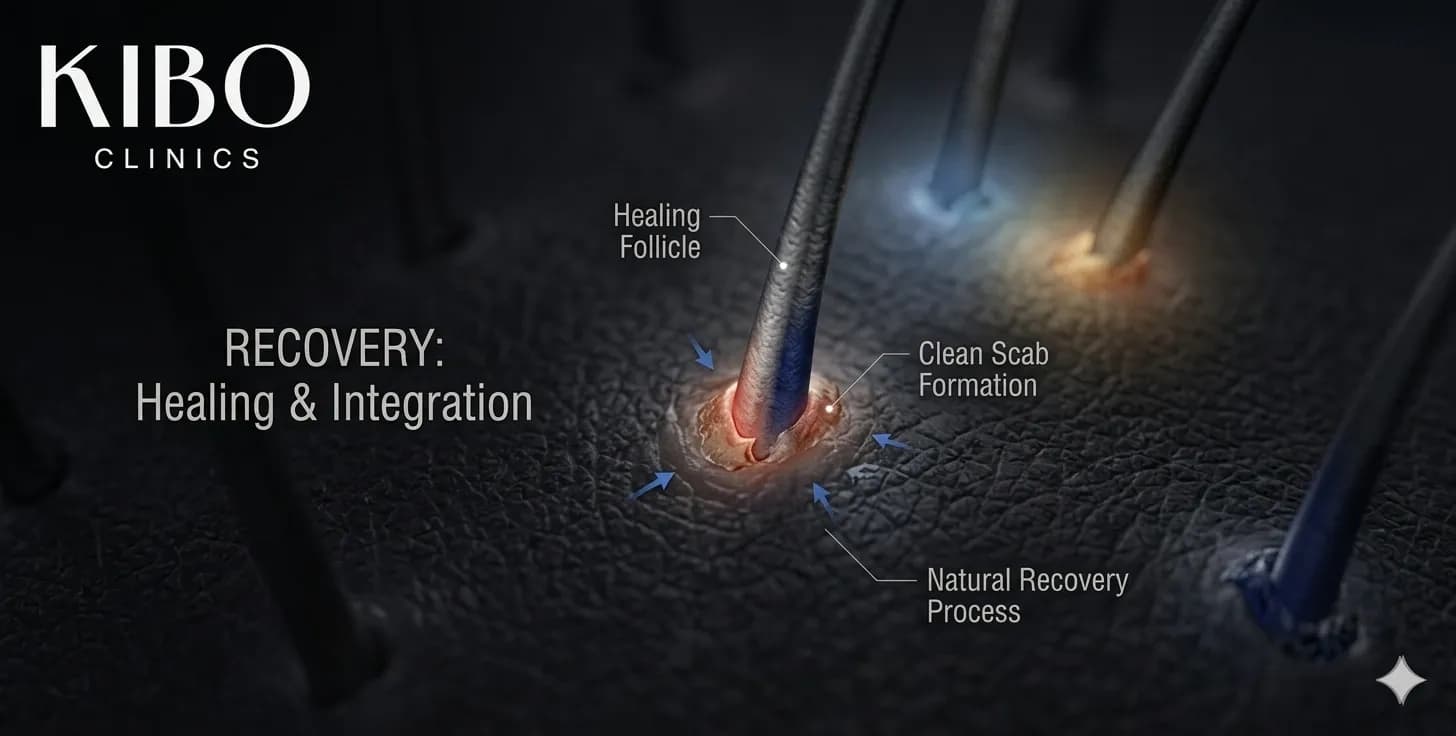
Second, scab formation plays a role. Dried blood and plasma form protective crusts around grafts. When these scabs tighten and later fall off, they stimulate nerve endings, creating an itchy feeling.
Third, nerve regeneration adds to the sensation. Small nerve fibers cut during surgery start reconnecting. As they heal, patients may feel tingling, crawling, or itching.
Fourth, dryness can worsen it. Post-surgery washing restrictions sometimes reduce natural oil balance. A dry scalp increases irritation.
Finally, lifestyle and environment matter. Sweat, dust, heat, and stress hormones can amplify itching during recovery.
Can Infection Also Cause Itching?
Yes, but infection usually comes with other symptoms.
If itching is accompanied by redness spreading beyond graft sites, pus discharge, severe pain, swelling, or fever, it may indicate infection. Normal healing itching is mild to moderate and improves gradually.
How Long Does Itching Last After a Hair Transplant?
For most patients:
- Days 3–10: Itching is common as scabs form.
- Weeks 2–4: It reduces as scabs shed and skin heals.
- Month 2–3: Occasional mild itching may occur during shock loss or early regrowth.
Persistent itching beyond one month needs evaluation, especially if associated with dandruff or folliculitis.
| Time After Surgery | What’s Happening | Itching Level |
|---|---|---|
| Days 1–3 | Initial healing and swelling | Minimal to mild |
| Days 4–10 | Scab formation and drying | Moderate |
| Weeks 2–4 | Scab shedding and nerve recovery | Reducing |
How Does Post-Transplant Itching Show in Men and Women?
In men, itching is commonly reported around the hairline and crown where dense grafts are placed. Men with oily scalps may feel more irritation due to sweat and sebum buildup.
In women, itching may feel more diffuse, especially if long surrounding hair traps sweat and dust. Women with pre-existing dandruff or sensitive scalp may notice prolonged dryness.
Hormonal factors also differ. Men with higher scalp oil production may experience temporary folliculitis. Women with low iron or thyroid imbalance may have slower healing, increasing irritation duration.
What Daily Habits Make It Better or Worse?
Hot showers increase scalp dryness and irritation.
Scratching with nails can dislodge grafts in the first 10 days.
Heavy sweating from gym workouts in the first two weeks may aggravate itching.
Wearing tight caps too early can trap heat and bacteria.
On the positive side, gentle washing as advised helps soften and remove scabs.
Staying hydrated supports skin healing.
Sleeping with the head slightly elevated reduces swelling and discomfort.
Avoid experimenting with home remedies like applying oil or aloe vera without medical advice in the early days.
What Helps First? (Relief Steps)
Use the prescribed saline spray to keep grafts hydrated.
Follow the recommended shampoo method—usually gentle pouring rather than rubbing in the first week.
Tap lightly instead of scratching if itching becomes intense.
Take prescribed antihistamines if advised by your surgeon.
Avoid direct sun exposure for at least two weeks.
Most patients notice visible improvement in itching by the end of week two. Complete comfort usually returns within one month.
When to Meet a Hair Specialist
Consult your surgeon if:
Itching becomes severe and unbearable.
There is yellow discharge or foul smell.
Redness spreads beyond graft sites.
Pain increases instead of reducing.
You develop fever or swelling after the first week.
These signs may indicate infection, allergic reaction, or folliculitis requiring treatment.
Common Myths About Post-Transplant Itching
Myth 1: Itching means grafts are failing.
Mild itching usually means healing is progressing.
Myth 2: Scratching lightly won’t cause damage.
In the first 10 days, even mild scratching can dislodge grafts.
Myth 3: Oil application speeds healing.
Early oil use can clog follicles and increase infection risk.
Myth 4: No itching means poor growth.
Healing varies. Some patients feel very little itching and still achieve good results.
Why Kibo Clinics for Hair Transplant Recovery Support
Many patients choose Kibo Clinics for post-transplant care because our approach addresses both surgical precision and long-term scalp health. We begin with comprehensive scalp assessment, hair and follicle analysis, and thorough lifestyle and environmental review.
Our No Ghost Surgery pledge ensures the consulting surgeon personally performs your entire procedure, maintaining consistent quality throughout the session. We don't delegate critical steps to technicians.
The Kibo Hair Analysis (scalp and follicle assessment) is the first step in understanding your specific condition. We provide education, guidance, and support without guarantees, exaggerated claims, or miracle cure promises.
Our 12-month monitoring program helps track healing, manage itching, shock loss, and early regrowth phases with timely interventions like PRP therapy or IV hair boosters when clinically appropriate.
---
If you are experiencing persistent itching after your hair transplant, speak with our team for a personalized recovery review and scalp assessment.
---
Frequently Asked Questions
Is itching normal after FUE hair transplant?
Yes, mild to moderate itching is common during the first two weeks. It usually relates to scab formation and nerve healing. Severe itching with redness or discharge is not normal. Always report unusual symptoms to your surgeon.
How can I stop itching without damaging grafts?
Use prescribed sprays and wash gently as instructed. Avoid scratching or rubbing. Light tapping can reduce sensation. Antihistamines may help if approved by your doctor.
Does itching mean new hair is growing?
Not necessarily. Itching mostly indicates skin healing. Hair regrowth starts internally and becomes visible after three to four months. Growth and itching are not directly linked.
Can dandruff increase post-transplant itching?
Yes, pre-existing dandruff can worsen dryness and irritation. Anti-dandruff treatment is usually introduced only after grafts stabilize. Early aggressive shampoos should be avoided.
When should I worry about scalp itching?
If itching is severe, persistent beyond a month, or associated with pus, pain, or fever, seek medical evaluation. These may indicate infection or folliculitis.
Is it safe to apply coconut oil after transplant?
Oil should not be applied during the early healing phase unless specifically advised. It can clog pores and disturb grafts. Your surgeon will guide you on when normal oiling can resume.
Does PRP therapy reduce post-transplant itching?
PRP is not primarily for itching relief. It may support healing and follicle health over time. It should only be done after the initial recovery phase.
Can sweating at the gym increase itching?
Yes, excessive sweating in the first two weeks may irritate grafts and increase itching. Light walking is safer initially. Resume intense workouts only after medical clearance.
Disclaimer
This content is for informational purposes only and does not substitute personalized medical advice. Healing timelines vary between individuals based on scalp condition, health status, and surgical technique. Treatment responses differ, and no outcome can be guaranteed. Always consult a qualified hair transplant specialist for personalized guidance and evaluation.
Hair Transplant
Direct Hair Transplant | Bio FUE | Corrective Transplant
Hair Regrowth
PRP Therapy | GFC Therapy | Mesotherapy | Microneedling
Must Read
Hair Transplant Guide | FUE Complete Guide | Procedure Steps | Results Timeline | Norwood Scale
Relevant Blogs
Kibo Clinics Home | Hair Myths Busted | Hair Breakage Guide | DHT Blockers | Kibo Experience
---
Medical Disclaimer : Information from Kibo Hair Clinics is for educational purposes only. It does not replace diagnosis, trichoscopy, blood test interpretation, prescription treatment, procedure advice, or side-effect counselling from a qualified dermatologist or hair restoration doctor.