
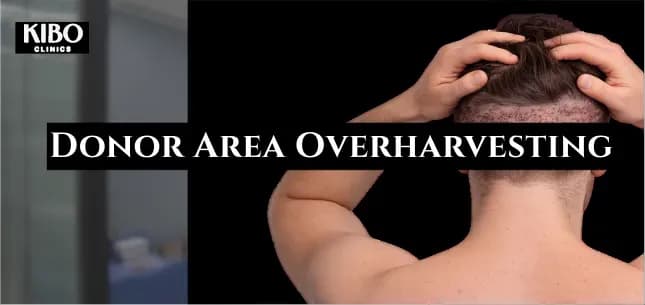
Vikram walked into the barbershop confident about his restored hairline. But when the barber tilted his head forward, her expression changed. "Sir, there are thin patches here," she whispered, pointing to his donor area. The clinic promised 4,200 grafts but never mentioned this price.
Blog Summary
Donor hair is precious and finite, which is why careful planning matters as much as the number of grafts discussed during a consultation. This guide explains donor area overharvesting in everyday terms, how to recognise early warning signs, and which habits support calm healing. It also shares Mumbai specific considerations for sun, humidity, and daily commute so the donor area stays comfortable across the year. recovery timelines and care basics are supported by trusted national health and dermatology patient resources listed in the references.
Why Donor Overharvesting Awareness Matters
A hair transplant moves living follicles; it does not create new ones. The back and sides of the scalp function like a savings account for both present and future hair plans. When too many follicles are removed from a limited region, or when extractions are placed too close together, the donor area can appear thin, patchy, or uneven under everyday lighting.
When donor depletion becomes visible, even a strong hairline result can be overshadowed by a noticeable donor pattern during short haircuts, office lighting, or outdoor sun. Awareness helps patients ask better questions, understand long term limits, and choose conservative plans that look natural from all angles.
Awareness also protects future options. Hair loss can progress with age. Using most donor supply early leaves little flexibility for later refinement or repair. A steady, zone based extraction approach preserves donor strength for years, not just one procedure.
What Is an Overharvested Donor Area
An overharvested donor area means too many follicular units have been extracted from the back or sides of the scalp. This can reduce blood supply to remaining follicles and leave visible thinning, patchy gaps, or scarring. Patients often describe this as a “moth eaten” appearance, especially when hair is kept short.
Overharvesting usually results from excessive extraction density, poor punch spacing, large punch sizes, or lack of long term planning. Once donor depletion occurs, full reversal is difficult, which is why prevention is critical.
Not sure about your hair loss stage or best treatment option?
How an Overharvested Donor Area May Look
- Patchy or uneven gaps in the donor zone
- Visible thinning at the back or sides of the scalp
- Noticeable punch marks or scarring in short haircuts
- Shock loss around extraction sites that may not fully recover
Core Principles for Safe Donor Stewardship
Your Donor Is a Living Landscape
Follicular units are naturally spaced. Safe extraction respects this spacing and avoids dense clusters in a single band. Even if total graft numbers seem reasonable, removing them from a narrow strip can create visible grooves. Uniform distribution protects the donor from common viewing angles.
Hair Characteristics Define Safe Limits
Thick or wavy hair hides spacing more easily than fine, straight hair. High contrast between hair and skin reveals thinning sooner. Safe donor planning depends on how light reflects through your hair, not just graft counts.
Uniformity Beats Pockets
Keeping one area untouched while over extracting nearby creates unevenness that becomes obvious under corridor lighting. Uniform, light extraction across the safe zone produces calmer cosmetic results across seasons and hairstyles.
Zone Based Planning Preserves the Future
Hairline zones usually require single grafts from the safest scalp donor. Density behind the hairline may be built with multi hair units or supported carefully with body hair transplant in selected cases. Crowns are often planned later because they consume large graft volumes.
The Donor Must Look Good at Multiple Hair Lengths
Many Mumbai patients prefer shorter back and sides during warmer months. The donor area must remain balanced at both short and medium lengths. Overharvesting creates windows that become visible with wind, sweat, or movement.
Causes of Donor Area Overharvesting
- Extracting more than 50 percent of available donor hair
- Punch placement too close together
- Using large punch diameters unnecessarily
- Chasing high graft numbers without long term planning
- Inexperience or non surgeon led extraction
Donor Health Red Flags and Calm Actions
| What You Notice | Likely Explanation | Calm Action |
|---|---|---|
| Patchy thinning at short length | Extraction density too high | Allow length to grow and review extraction pattern |
| Visible punch marks | Large punch size or close spacing | Avoid further harvesting and seek expert review |
| Persistent redness or swelling | Delayed healing or irritation | Contact clinic promptly |
Recovery Timeline for Donor Area Confidence
| Time Point | What Is Common | Supportive Habit |
|---|---|---|
| First week | Redness and tenderness | Rest and follow wound care |
| Second week | Scabs lift naturally | Gentle hand washing when advised |
| Months 3 to 4 | Surface looks calmer | Maintain photo records |
| Months 9 to 12 | Fair outcome assessment | Review plan and future needs |
How Overharvested Donor Areas Are Managed
- Scalp micropigmentation to reduce contrast
- Carefully planned body hair support in repair cases
- Medical therapy to protect remaining hair
- Avoiding further extraction from damaged zones
Get personalized guidance from certified hair restoration experts
Setting Realistic Expectations
Unrealistic expectations cause more disappointment than treatment limitations. Understanding what treatments can and cannot achieve prevents frustration. Hair transplantation redistributes existing hair rather than creating new follicles. Donor supply limits total graft availability. Existing miniaturized hair may continue thinning despite transplantation unless medical management addresses ongoing pattern hair loss.
Medical treatments like finasteride or minoxidil maintain existing hair rather than dramatically increasing density in completely bald areas. Most users experience stabilization with modest regrowth. Significant transformation requires combination approaches. Timeline matters equally. Transplants show initial growth at 3-4 months with final density assessment at 12-14 months. Topical treatments require 6-12 months minimum for visible changes.
Planning for Long-Term Success
Hair restoration requires strategic planning beyond the initial procedure. Progressive pattern hair loss means today's full hairline may thin over decades. Conservative transplantation preserves donor resources for future procedures. Aggressive early procedures may deplete supply before loss stabilizes, leaving insufficient grafts for later touch-ups or crown restoration.
Medical maintenance prevents surrounding native hair from thinning around transplanted areas. Without this, transplanted hair persists while native hair thins, creating unnatural isolated "plugs." Combining surgical restoration with ongoing medical therapy provides the most durable aesthetic outcomes. This integrated approach addresses both the redistributed grafts and the underlying biological process driving continued loss.
Lifestyle Factors That Influence Results
Daily habits significantly impact both natural hair health and treatment outcomes. Nutritional deficiencies in iron, vitamin D, biotin, or protein can impair growth regardless of treatment. Chronic stress elevates cortisol levels, potentially triggering telogen effluvium (sudden shedding). Sleep deprivation affects cellular repair processes including hair follicle regeneration. Smoking reduces scalp blood flow, compromising nutrient delivery to follicles.
Harsh styling practices create mechanical damage independent of genetic hair loss. Tight hairstyles cause traction alopecia. Excessive heat styling weakens hair shafts. Chemical treatments damage cuticles and reduce overall hair quality. While these factors don't cause pattern baldness, they compound visual thinning and slow treatment response. Addressing controllable lifestyle factors optimizes treatment effectiveness while protecting remaining hair quality.
Common Questions Patients Ask Before Deciding
Patients often hesitate due to similar concerns. Will results look natural? Natural appearance depends on surgical skill, appropriate graft placement density, and realistic hairline design matching age and face shape. Experienced surgeons create results indistinguishable from non-transplanted hair when viewed in normal social distances and lighting conditions.
How long until normal appearance resumes? Social recovery varies by procedure extent. Small sessions may allow return to work within 3-5 days with proper styling covering donor areas. Larger procedures may require 7-10 days before scabbing resolves sufficiently for professional settings. Individual healing rates and workplace formality influence specific timelines.
What happens if I'm not satisfied? Corrective procedures address concerns but require adequate donor supply remaining. This emphasizes the importance of conservative initial procedures and surgeon selection based on aesthetic track record rather than price alone. Prevention through proper planning beats correction attempts after disappointing results.
Cost Factors Beyond the Quoted Price
Quoted procedure costs represent only part of total investment. Post-procedure medications include antibiotics preventing infection, pain relievers managing discomfort, and potentially minoxidil or finasteride for ongoing maintenance. These ongoing medication costs accumulate over months and years. Travel and accommodation expenses for outstation patients add significant amounts, especially for multi-day stays during recovery.
Time off work creates indirect costs through lost income or used vacation days. Follow-up appointments may require additional travel. Touch-up procedures addressing density concerns increase total investment. Understanding comprehensive costs beyond initial quotes prevents budget surprises and helps accurate comparison between options.
Why Second Opinions Matter More Than You Think
Single consultations create information bubbles shaped by that clinic's philosophy and capabilities. Multiple consultations reveal variations in approach, technique recommendations, and graft estimates for identical presentations. Discrepancies highlight where marketing influences recommendations versus medical evidence.
Different surgeons emphasize different priorities. Some maximize density in visible areas accepting donor depletion risks. Others prioritize conservation ensuring future procedure options. Neither approach is universally superior, but understanding these philosophies helps you select surgeons aligned with your priorities. Second opinions also reveal when initial recommendations are outliers suggesting aggressive marketing rather than appropriate medical planning.
Frequently Asked Questions
What is donor area overharvesting
Donor overharvesting occurs when too many follicles are removed from the back or sides of the scalp, leaving visible thinning or patchiness that may be permanent.
Ready to take the next step?
How many grafts are considered overharvesting
For most individuals, harvesting close to or beyond 6,000 grafts risks donor depletion, though safe limits vary based on hair type and scalp characteristics.
How long until the donor area looks normal
Redness usually settles within weeks. Surface calmness improves over months. Most patients judge donor appearance fairly near the end of the first year.
Can an overharvested donor area be fixed
Complete reversal is difficult. Camouflage techniques, medical management, and careful repair planning may improve appearance.
What techniques reduce overharvesting risk
Modern methods such as FUE, Sapphire FUE, and Bio FUE focus on controlled spacing and donor preservation.
Why Kibo Hair Sciences
At Kibo Hair Sciences in Mumbai, donor stewardship guides every plan. Extraction patterns are mapped carefully, limits are explained transparently, and long term outcomes matter more than single session numbers. The goal is a donor area that looks natural today and remains usable tomorrow.
Disclaimer
This content is for educational purposes only and does not replace professional medical advice. Individual suitability varies and requires clinical evaluation.
References
https://www.nhs.uk/tests-and-treatments/cosmetic-procedures/cosmetic-surgery/hair-transplant/
https://medlineplus.gov/ency/article/007205.htm
https://www.aad.org/public/diseases/hair-loss/treatment/transplant
https://www.cdc.gov/skin-cancer/sun-safety/index.html
https://www.nhs.uk/conditions/keloid-scars/
https://www.bad.org.uk/pils/keloids
—
Hair Transplant Services
Follicular Unit Extraction (FUE) | Sapphire FUE | Body Hair Transplant (BHT) | Corrective Hair Transplant | Hairline Correction | Unshaven Hair Transplant | Direct Hair Transplant (DHT) | Real Time FUE | Bio FUE
Hair Regrowth Services
GFC Therapy | IV Hair Booster | Low-Level Laser Therapy (LLLT) | Mesotherapy for Hair Regrowth | Microneedling for Hair Regrowth | PDO Threads for Hair Regrowth | PRP Therapy
Must Read
Graft Survival Factors | Donor Scar Visibility & Healing | Donor Hair Regrowth Myths | Corrective Hair Transplant Reasons | Patchy Hair Transplant Fix
Celebrity & Cricketer hair transplant guides
Virat Kohli Hair Transplant Guide | Hardik Pandya Hair Transplant Guide | Kapil Sharma Hair Transplant Guide | MS Dhoni Hair Transplant Guide | Ranbir Kapoor Hair Transplant Guide | Akshay Kumar Hair Transplant Guide | Mahesh Babu Hair Transplant Guide | Rohit Sharma Hair Transplant Guide
City-Wise Hair Transplant Cost Pages
Cost of Hair Transplant in Mumbai | Cost of Hair Transplant in Delhi | Cost of Hair Transplant in Bangalore | Cost of Hair Transplant in Hyderabad | Cost of Hair Transplant in Pune | Cost of Hair Transplant in Chennai | Cost of Hair Transplant in Noida
Hair Loss Treatment in Indian Cities
Hair Loss in Mumbai | Hair Loss in Delhi | Hair Loss in Bangalore | Hair Loss in Chennai | Hair Loss in Hyderabad | Hair Loss in Pune | Hair Loss in Kolkata | Hair Loss in Ahmedabad | Hair Loss in Jaipur | Hair Loss in Chandigarh
Disclaimer
This content provides educational information and does not constitute medical advice. Individual treatment recommendations depend on unique factors including hair loss pattern, donor quality, health status, and personal goals. Consult board-certified hair restoration surgeons for personalized assessment. Results vary based on individual factors and adherence to post-treatment protocols.
Hair Transplant
FUE Hair Transplant | Sapphire FUE | Bio FUE | Direct Hair Transplant | Corrective Transplant
Hair Regrowth
PRP Therapy | GFC Therapy | Mesotherapy | Microneedling
Must Read
Complete Hair Transplant Guide | FUE Complete Guide | Procedure Steps | Results Timeline | Norwood Scale
Relevant Blogs
Hair Myths Busted | Protective Hairstyles | Hair Breakage Guide | DHT Blockers Guide | Hair Transplant Cost India
Medical Disclaimer : Information from Kibo Hair Clinics is for educational purposes only. It does not replace diagnosis, trichoscopy, blood test interpretation, prescription treatment, procedure advice, or side-effect counselling from a qualified dermatologist or hair restoration doctor.