
Can Frequent Washing Cause Hair to Fall Out?
Published on Fri Apr 10 2026
Can Frequent Washing Cause Hair to Fall Out?
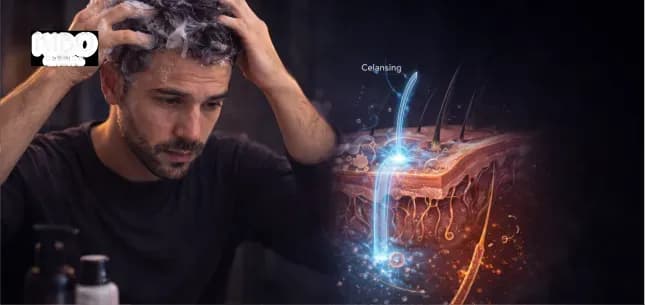
Watching strands swirl down the shower drain can feel alarming. You may wonder if washing your hair too often is causing hair fall. In most cases, frequent washing does not cause hair loss, but the way you wash, the products you use, and your scalp condition can influence shedding and breakage.
Hair seen during washing is usually hair that was already in its natural shedding phase. However, harsh shampoos, aggressive rubbing, and poor scalp health can weaken strands and make hair fall appear worse. Understanding the difference between normal shedding and true hair loss helps you respond correctly instead of avoiding hair wash out of fear.
A Real Story: When Washing Felt Like the Problem
Ritika, 29, from Bengaluru, started washing her hair daily after joining a gym. Within two months, she noticed more hair in the drain and on her towel. She reduced washing to twice a week, but the shedding did not change.
Over time, her scalp became oily and itchy. She tried switching shampoos frequently and even stopped oiling her hair, thinking water exposure was the cause. The stress of seeing hair fall made her tie her hair tightly to “protect” it.
A scalp assessment later showed early androgenetic hair thinning and mild dandruff. The daily wash was not the cause. Instead, hormonal sensitivity, scalp inflammation, and rough towel drying were contributing. With targeted treatment and correct washing technique, shedding reduced within three months.
Why Does Hair Fall Seem More During Washing?
Hair grows in cycles: growth (anagen), transition (catagen), and resting (telogen). Every day, 50 to 100 hairs naturally shed. When you wash after skipping a day or two, those shed hairs come out together, making it look excessive.
The root causes usually follow this pathway:
Scalp health changes first. Excess oil, dandruff, fungal overgrowth, or inflammation disturb the scalp environment.
Follicle function gets affected next. Inflamed or clogged follicles may shift more hairs into the resting phase.
Hormones and stress play a role. Conditions like thyroid imbalance, PCOS, postpartum changes, or chronic stress can increase shedding.
Lifestyle and environment add pressure. Pollution, hard water, poor diet, crash dieting, and tight hairstyles weaken strands further.
Frequent washing alone rarely damages healthy follicles. It is the combination of chemical irritation, mechanical damage, and underlying health issues that worsens hair fall.
Can Overwashing Damage Hair Shaft?
Yes, overwashing with harsh shampoos can dry out the hair shaft.
When natural scalp oils are stripped repeatedly, hair becomes brittle. Brittle hair breaks easily, and breakage can be mistaken for hair fall. This is not root-level hair loss but shaft damage.
Using very hot water also swells the hair cuticle. Repeated swelling and drying make hair rough and prone to snapping.
How Often Should You Wash Your Hair?
There is no single rule for everyone. Frequency depends on scalp type, climate, and lifestyle.
Oily scalp may need washing 3–5 times a week.
Dry scalp may manage with 2–3 washes weekly.
People who exercise daily or live in humid cities may need more frequent washing.
Those with chemically treated or curly hair may wash less often but must keep the scalp clean.
If your scalp feels itchy, greasy, or smells unpleasant, it needs cleansing. Avoiding wash out of fear of hair fall can worsen dandruff and inflammation.
How Does Frequent Washing Show in Men and Women?
Men often have shorter hair, so breakage is less noticeable. However, men with male pattern hair loss may feel washing accelerates thinning. In reality, washing reveals miniaturized hairs that were already shedding.
Women usually have longer hair, so shed strands look more dramatic. Hormonal changes during pregnancy, postpartum period, or menopause can increase telogen shedding, which becomes visible during washing.
Women who use heat styling and chemical treatments are more prone to breakage if they wash frequently without conditioning properly.
In both genders, frequent washing with mild products is generally safe. The key difference lies in styling habits and hormonal influence.
What Daily Habits Make It Better or Worse?
Using very hot water weakens hair and irritates scalp.
Scrubbing aggressively with nails causes micro-injuries and inflammation.
Towel rubbing creates friction and breakage.
Changing shampoos too often disrupts scalp balance.
Skipping conditioner leads to tangling and snapping during combing.
On the positive side, using lukewarm water protects the cuticle.
Massaging gently with fingertips improves blood circulation.
Using a mild, sulphate-balanced shampoo suited to your scalp helps maintain barrier function.
Applying conditioner only on hair length prevents dryness without clogging scalp.
Mistakes to avoid include tying wet hair tightly, combing aggressively when hair is soaked, and ignoring persistent itching or scaling.
What Helps First? (Relief Steps)
Start by choosing a mild shampoo suited to your scalp type.
Wash with lukewarm water, not hot water.
Massage gently using fingertips for 2–3 minutes.
Condition only the mid-lengths and ends.
Pat dry with a soft towel instead of rubbing.
Reduce heat styling frequency.
Eat protein-rich foods and include iron and vitamin sources in diet.
If shedding is due to temporary stress or seasonal change, improvement is usually seen within 6–8 weeks.
If shedding continues beyond three months, further evaluation is needed.
When to Meet a Hair Specialist
Hair fall lasting more than three months despite care.
Sudden clumps of hair coming out while washing.
Visible scalp patches or receding hairline.
Severe itching, redness, or painful scalp.
Hair thinning after illness, childbirth, or major weight loss.
Family history of pattern baldness with progressive thinning.
These signs indicate underlying follicle or hormonal factors rather than simple overwashing.
Common Myths About Frequent Washing and Hair Fall
Myth 1: Washing daily causes permanent baldness.
Hair washing does not damage the follicle root unless harsh chemicals or infections are involved.
Myth 2: Oily hair should not be washed often.
An oily scalp needs regular cleansing to prevent follicle blockage and dandruff.
Myth 3: Cold water prevents hair fall.
Cold water may make hair feel smoother but does not stop shedding at root level.
Myth 4: Natural or herbal shampoos cannot cause damage.
Even herbal products can irritate scalp if ingredients are unsuitable for your skin type.
Myth 5: More foam means better cleaning.
Foam does not equal effectiveness. Over-cleansing can dry and weaken hair.
Why Kibo Clinics for Hair Fall Concerns
Many patients choose Kibo Clinics for hair fall concerns because our approach addresses both current shedding and long-term planning.
We begin with comprehensive scalp assessment, hair and follicle analysis, and thorough lifestyle and environmental review. The Kibo Hair Analysis (scalp and follicle assessment) is the first step in understanding your specific condition.
Our No Ghost Surgery pledge ensures the consulting surgeon personally performs your entire procedure, maintaining consistent quality throughout the session. We don't delegate critical steps to technicians.
Depending on findings, options may include PRP therapy, GFC therapy, mesotherapy, IV hair boosters, or surgical planning like Sapphire FUE when medically appropriate. We provide education, guidance, and support without guarantees, exaggerated claims, or miracle cure promises.
Patients receive structured follow-ups for up to 12 months, with monitoring of shedding patterns, density progress, and scalp condition. This helps adjust treatment plans safely and realistically.
---
If you are confused whether your hair wash routine is normal or harmful, a professional scalp evaluation can give clarity and peace of mind.
---
Frequently Asked Questions
Does washing hair daily increase hair fall?
Daily washing does not directly increase hair fall if you use a mild shampoo and proper technique. Shedding seen during wash is usually natural telogen hair. However, harsh products and aggressive rubbing can cause breakage. If you have underlying hormonal or genetic thinning, washing may make it more visible but not cause it.
Why do I see more hair fall on wash days?
Hair that naturally sheds over 1–2 days comes out together during washing. This makes the fall appear heavier. It does not mean new hair is falling due to shampoo. Consistent excessive shedding beyond 100–150 strands daily needs evaluation.
Can shampoo weaken hair roots?
Most regular shampoos do not reach deep enough to damage hair roots. They act on scalp surface and hair shaft. Only severe chemical irritation or allergic reaction can inflame follicles. Choosing a suitable shampoo reduces this risk.
Is it bad to wash hair after oiling?
Washing after oiling is safe and often necessary. However, using too much oil can require strong shampooing, which may dry hair. Moderate oiling and gentle cleansing work best.
Does hard water cause hair fall?
Hard water can make hair rough and increase breakage. It does not directly damage follicles but may worsen dryness. Installing a shower filter may help reduce mineral buildup.
How can I tell breakage from hair loss?
Hair with a white bulb at one end is usually shed from the root. Broken hair looks shorter and uneven without a bulb. Breakage often comes from heat styling, chemical treatments, or friction.
Should people with dandruff wash more often?
Yes, controlled frequent washing with anti-dandruff shampoo helps reduce fungal overgrowth and inflammation. Avoiding wash can worsen itching and shedding linked to scalp irritation.
When is hair fall during washing a warning sign?
If you notice thinning areas, receding hairline, widening part line, or sudden heavy clumps for weeks, it may indicate telogen effluvium or pattern baldness. Persistent symptoms require professional evaluation.
Disclaimer
This content is for informational purposes only and does not substitute personalized medical advice. Hair fall varies based on genetics, hormones, medical conditions, and lifestyle. Treatment responses differ for each individual, and no approach guarantees identical results. Always consult a qualified professional for accurate diagnosis and tailored care.
Hair Transplant
FUE Hair Transplant | Sapphire FUE | Direct Hair Transplant | Bio FUE | Corrective Transplant
Hair Regrowth
PRP Therapy | GFC Therapy | Mesotherapy | Microneedling
Must Read
Hair Transplant Guide | FUE Complete Guide | Procedure Steps | Results Timeline | Norwood Scale
Relevant Blogs
Hair Myths Busted | Hair Breakage Guide | DHT Blockers | Kibo Experience
---